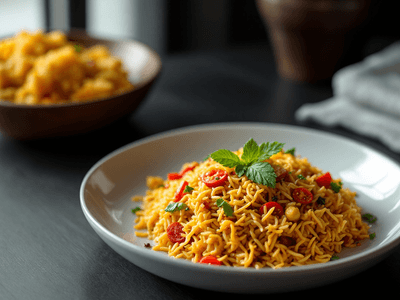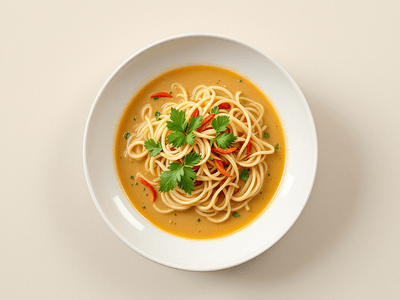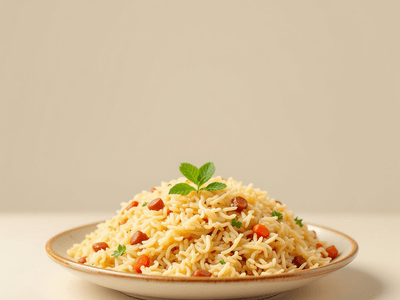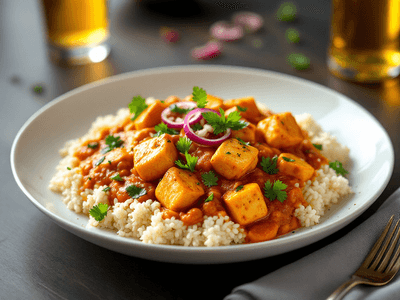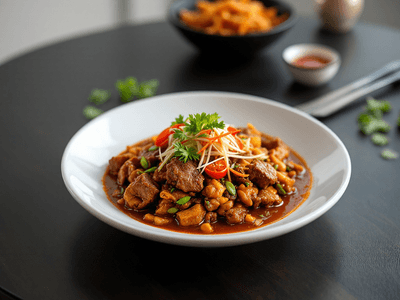
Beef Rendang
Indonesian Malay • non_veg
How to Make Vegetarian Beef Rendang (Traditional & Healthy Version)
Vegetarian Beef Rendang is a unique twist on the classic Indonesian/Malay dish, reimagined for the Indian palate and health-conscious eaters. Traditionally, Beef Rendang is a slow-cooked meat curry rich with aromatic spices, coconut, and chilies, originating from the Minangkabau people of Indonesia. This vegetarian adaptation uses plant-based protein, making it suitable for Indian vegetarian diets without losing the essence of Rendang’s complex flavors. The dish combines Indian techniques such as tempering whole spices and using coconut milk, which bridges Southeast Asian and Indian culinary traditions. With a rich, thick gravy, this snack is perfect for those who crave depth of flavor while prioritizing nutrition and calorie control. It’s a wonderful way to experience the warmth and comfort of Rendang while honoring vegetarian values found across India. Served as a filling snack or a light meal, Vegetarian Beef Rendang is both satisfying and wholesome, making it an excellent choice for busy families, health enthusiasts, and anyone who loves exploring global flavors with an Indian touch.
Ingredients(for 1 katori vegetarian rendang with 1 small paratha)
- 1 cup Soya chunks (soaked and drained)
- 1/2 cup Coconut milk (fresh or canned)
- 1 medium Onion (finely chopped)
- 4 cloves Garlic (minced)
- 1 inch Ginger (grated)
- 1 tsp Red chili powder (adjust to taste)
- 1 tsp Coriander powder
- 1/4 tsp Turmeric powder
- 1 stalk Lemongrass (crushed) - optional
- 1 inch Cinnamon stick - optional
- 2 Cloves - optional
- to taste Salt
- 1/2 tsp Ground black pepper
- 1 tbsp Oil (preferably cold-pressed coconut or olive oil)
- 1 tbsp Fresh coriander leaves (for garnish) - optional
Instructions
- 1
Soak the soya chunks in hot water for 10 minutes. Drain and squeeze out excess water, then chop into bite-sized pieces.
10 minutes
Ensure soya chunks are soft for best texture.
- 2
Heat oil in a kadhai or thick-bottomed pan. Add cinnamon, cloves, and lemongrass (if using), sauté for 1 minute until aromatic.
2 minutes
Tempering whole spices enhances flavor and aroma.
- 3
Add chopped onions, ginger, and garlic. Sauté on medium heat until onions turn golden brown.
5 minutes
Stir continuously to avoid burning and achieve a sweet base.
- 4
Mix in turmeric, red chili powder, coriander powder, and salt. Cook for 1 minute until spices are well combined.
1 minute
Blooming spices in oil releases their essential oils.
Why This Dish is Healthy
This vegetarian Rendang is a health-conscious adaptation that uses soya chunks as a high-protein substitute for beef, making it suitable for vegetarians and those watching calories. It avoids heavy oils and uses coconut milk sparingly for flavor without excessive saturated fat. The inclusion of fresh spices and herbs boosts metabolism and adds micronutrients, ensuring every bite is nutritious and satisfying. Perfect for those seeking a healthy snack with global flavors.
Vegetarian Beef Rendang is rich in plant-based protein from soya chunks, making it ideal for muscle repair and satiety. Coconut milk adds healthy fats, while the variety of spices contribute antioxidants and anti-inflammatory compounds. Onions, garlic, and ginger are excellent sources of vitamins and minerals that support digestion and immunity. This snack is low in cholesterol and contains a balanced mix of protein, moderate carbohydrates, and essential fats, making it a wholesome mini meal.
Pro Tips
- 💡Tip 1: Always soak and squeeze soya chunks to mimic meat texture.
- 💡Tip 2: Use freshly extracted coconut milk for authentic flavor.
- 💡Tip 3: Simmer on low heat for a thick, rich gravy.
- 💡Tip 4: Adjust spices for your desired heat level.
- 💡Tip 5: Add a squeeze of lime for a tangy finish.
Storage & Serving
Keeps for 6-8 hours at room temperature. Refrigerate for up to 2 days. Reheat gently before serving.
Best served: Breakfast or Lunch
Nutrition Facts
| Nutrient | Per 100g |
|---|---|
| Magnesium | 22.0 mg |
| Total Fat | 15.8 g |
| Calcium | 28.0 mg |
| Vitamin B1 (Thiamine) | 0.1 mg |
| Sugars | 1.2 g |
| Vitamin B3 (Niacin) | 2.8 mg |
| Zinc | 3.6 mg |
| Fiber | 1.8 g |
| Energy | 350.0 kcal |
| Protein | 13.5 g |
| Phosphorus | 140.0 mg |
| Vitamin B2 (Riboflavin) | 0.1 mg |
| Folate | 11.0 µg |
| Carbohydrates | 5.7 g |
| Vitamin D | 0.2 IU |
| Potassium | 320.0 mg |
| Vitamin A | 18.0 IU |
| Vitamin C | 3.5 mg |
| Cholesterol | 55.0 mg |
| Vitamin B12 | 1.3 µg |
| Sodium | 390.0 mg |
| Iron | 2.1 mg |
| Vitamin B6 | 0.2 mg |