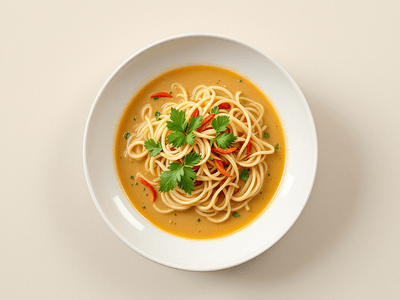
Laksa
Global • non_veg
About Laksa
Spicy coconut curry noodle soup
How to Make Laksa (Traditional & Healthy Version)
Laksa is a beloved Malaysian noodle soup that beautifully represents the nation's vibrant multicultural cuisine. Rooted in the Peranakan communities, this dish is a flavorful blend of Malay, Chinese, and indigenous culinary traditions. Laksa is renowned for its aromatic broth, which combines fresh local herbs like daun kesum (Vietnamese mint), lemongrass, and the richness of santan (coconut milk) or tangy asam (tamarind), depending on the regional style. The soup is served over rice noodles and topped with protein such as fresh fish or prawns, making it a balanced meal. What makes Malaysian Laksa so unique is the harmonious layering of spicy, sour, and creamy notes, brought together by ingredients like belacan (shrimp paste), fresh chilies, and lime. This health-conscious version uses lean protein, less santan, and plenty of fresh herbs and vegetables, making it both satisfying and nourishing. Laksa is enjoyed across Malaysia, from bustling city kopitiams to family gatherings, often as a hearty lunch. It’s a dish that reflects Malaysia’s cultural diversity and the country’s love for wholesome, flavorful food.
Ingredients(for 1 large bowl per serving)
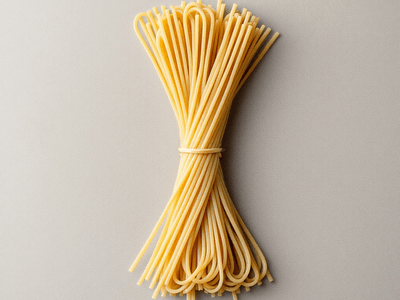
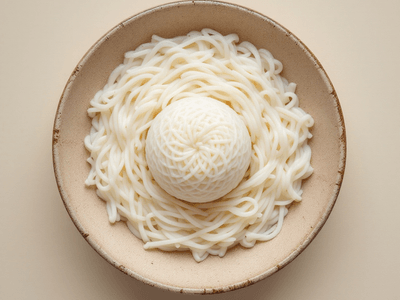
- 120g Rice vermicelli noodles (soaked in hot water)
- 150g Fresh mackerel fillet (or tenggiri, poached and flaked)
- 200ml Santan (light coconut milk) (use low-fat for healthier option)
- 2 pieces Asam keping (tamarind slices) (for tangy flavor)
- 10 leaves Daun kesum (Vietnamese mint) (fresh)
- 1 stalk Lemongrass (bruised)
- 2 Red chili (sliced)
- 3 Shallots (sliced)
- 1/2 tsp Belacan (shrimp paste) (toasted)
- 1/2 Cucumber (julienned, for garnish) - optional
- 1 cup Bean sprouts (blanched) - optional
- 1 Lime (cut into wedges) - optional
- A handful Fresh coriander (for garnish) - optional
Instructions
- 1
Soak the rice vermicelli noodles in hot water until soft, then drain and set aside.
5 minutes
Do not over-soak to prevent mushy noodles.
- 2
Poach the mackerel in simmering water until cooked through. Remove, flake the flesh, and set aside. Reserve the poaching water as fish stock.
5 minutes
Use the fish stock for a more robust and flavorful broth.
- 3
In a pot, sauté shallots, lemongrass, and belacan until fragrant. Add red chili and continue to stir-fry for another minute.
4 minutes
Sauté until the belacan aroma mellows for best flavor.
- 4
Add the fish stock, asam keping, daun kesum, and santan. Bring to a gentle boil, then simmer for 10 minutes.
10 minutes
Simmer gently to avoid splitting the santan.
Why This Dish is Healthy
By using lean fish, low-fat santan, and plenty of fresh herbs, this Laksa is lower in calories and saturated fat compared to traditional versions. The dish is naturally gluten-free and can be adapted to be lower glycemic. High fiber from vegetables and moderate protein content make it filling and nourishing, perfect for a balanced Malaysian lunch.
This Laksa recipe provides a good balance of lean protein from fish, complex carbohydrates from rice noodles, and healthy fats from light santan. The soup is rich in vitamins A and C from fresh herbs and vegetables, and minerals like potassium and magnesium. Using less santan and more herbs reduces saturated fat, while the inclusion of daun kesum and lemongrass offers natural antioxidants.
Pro Tips
- 💡Tip 1: Poach fish gently to keep it moist and flavorful.
- 💡Tip 2: Toast belacan before use for a more aromatic base.
- 💡Tip 3: Add daun kesum towards the end for the freshest herbal aroma.
Storage & Serving
Laksa broth can be stored in an airtight container in the refrigerator for up to 2 days. Keep noodles and toppings separate to maintain texture—assemble just before eating. Reheat broth gently before serving.
Best served: Breakfast or Lunch
Nutrition Facts
| Nutrient | Per 100g |
|---|---|
| Protein | 5.2 g |
| Carbohydrates | 11.4 g |
| Total Fat | 7.8 g |
| Energy | 140.0 kcal |
| Fiber | 1.6 g |
| Sugars | 1.2 g |
| Iron | 1.1 mg |
| Calcium | 36.0 mg |