Rice with Sambal
Indonesian • Vegetarian
How to Make Rice with Sambal (Traditional & Healthy Version)
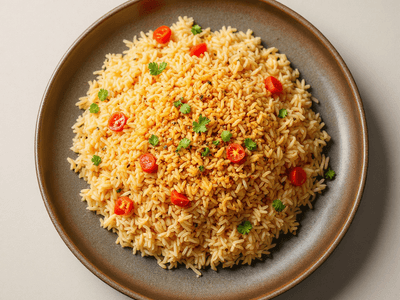
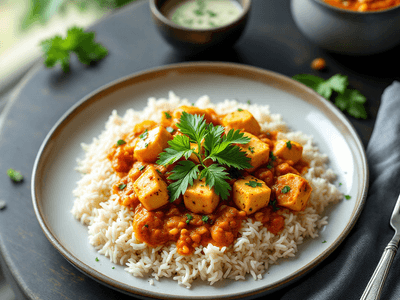
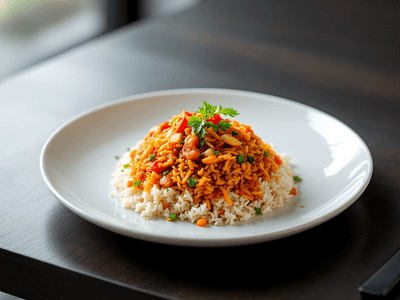
Rice with Sambal is a beloved Indonesian snack that has found its way onto Indian tables, especially in cosmopolitan cities and homes where global flavors are celebrated. The dish features steamed rice paired with a vibrant, spicy sambal—a chili-based condiment that is a staple across Indonesia. The taste is bold yet balanced, with the sambal adding heat and tang to the comforting texture of rice. Though Indonesia is its birthplace, Indian food lovers appreciate its similarity to chutneys and rice combinations from South India, making it a versatile, vegetarian-friendly addition to any meal. In India, rice is a staple grain, and the fiery sambal appeals to those who enjoy the punch of Indian pickles and chutneys. This healthy version of Rice with Sambal uses minimal oil, plenty of fresh vegetables, and skips heavy frying, making it ideal for calorie-conscious eaters. The dish is perfect as a mid-day snack, light lunch, or even a hearty breakfast, offering a fusion of Indonesian flair and Indian sensibility. Its simple ingredients and easy preparation make it accessible, while the flavors satisfy cravings for something both exotic and familiar.
Ingredients(for 1 cup steamed rice + 2 tbsp homemade sambal)
- 1 cup Brown rice (steamed)
- 4-5 Red chilies (fresh or dried)
- 1 medium Tomato (chopped)
- 2 Shallots (finely sliced)
- 3 cloves Garlic (peeled)
- 1 tbsp Lemon juice (freshly squeezed)
- 1/2 tsp Salt (to taste)
- 1 tsp Coconut sugar (or jaggery) - optional
- 1 tsp Extra virgin olive oil (for sautéing)
- 1 tbsp Coriander leaves (chopped, for garnish) - optional
Instructions
- 1
Rinse the brown rice thoroughly and cook with 2 cups of water until soft and fluffy. Set aside.
20 minutes
Use a pressure cooker or rice cooker for best texture.
- 2
In a pan, heat olive oil and sauté shallots and garlic until fragrant and slightly golden.
3 minutes
Keep flame medium to avoid burning the garlic.
- 3
Add chopped tomatoes and red chilies to the pan. Cook until tomatoes soften and chilies release their aroma.
5 minutes
Deseed chilies for a milder sambal.
- 4
Transfer the sautéed mixture to a blender. Add salt, coconut sugar (if using), and lemon juice. Blend to a coarse paste.
3 minutes
Pulse for texture; do not over-blend.
Why This Dish is Healthy
Rice with Sambal is a healthy snack choice due to its use of whole grains and minimal oil. Brown rice is a complex carbohydrate with a low glycemic index, making it good for sustained energy and blood sugar control. Fresh vegetables and herbs add vitamins and minerals, while the use of natural sweeteners and olive oil keeps it heart-friendly. This adaptation avoids deep frying and heavy oils, making it perfect for calorie tracking and weight management.
This Rice with Sambal recipe is packed with dietary fiber from brown rice, which aids digestion and keeps you fuller longer. The sambal provides antioxidants from tomatoes, chilies, and garlic, along with vitamin C and minerals. Using olive oil keeps saturated fat low, while coconut sugar or jaggery offers a natural sweetener alternative. The dish is low in saturated fat and can be made vegan, gluten-free, and high in complex carbs, making it suitable for most diets.
Pro Tips
- 💡Tip 1: Use freshly cooked rice for the best texture.
- 💡Tip 2: Adjust chili quantity to suit your spice tolerance.
- 💡Tip 3: Add a squeeze of lemon just before serving for extra freshness.
- 💡Tip 4: Blend sambal coarsely for a rustic, authentic feel.
- 💡Tip 5: Garnish with coriander leaves for a burst of flavor.
Storage & Serving
Keeps for 6-8 hours at room temperature. Refrigerate for up to 2 days. Sambal can be stored separately in an airtight container.
Best served: Breakfast or Lunch
Nutrition Facts
| Nutrient | Per 100g |
|---|---|
| Energy | 260.0 kcal |
| Protein | 3.0 g |
| Carbohydrates | 26.0 g |
| Total Fat | 1.5 g |
| Fiber | 1.1 g |
| Sugars | 0.7 g |
| Iron | 0.4 mg |
| Calcium | 7.0 mg |
| Sodium | 340.0 mg |
| Potassium | 110.0 mg |
| Cholesterol | 0.0 mg |
| Vitamin A | 80.0 IU |
| Vitamin C | 6.0 mg |
| Magnesium | 18.0 mg |
| Zinc | 0.6 mg |
| Phosphorus | 45.0 mg |
| Vitamin D | 0.0 IU |
| Vitamin B1 (Thiamine) | 0.1 mg |
| Vitamin B2 (Riboflavin) | 0.0 mg |
| Vitamin B3 (Niacin) | 1.1 mg |
| Vitamin B6 | 0.1 mg |
| Vitamin B12 | 0.0 µg |
| Folate | 14.0 µg |