Vegetarian Mee Siam
Singapore Malaysia • halal_safe
How to Make Vegetarian Mee Siam (Traditional & Healthy Version)
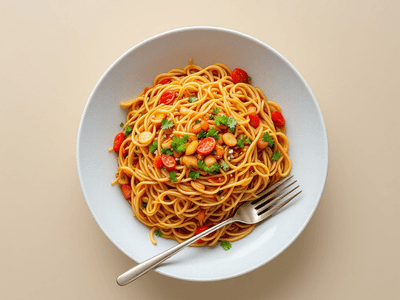
Vegetarian Mee Siam is a beloved Malaysian noodle dish, cherished across the country’s multicultural communities, especially among the Peranakan and Straits Chinese. This healthy adaptation celebrates the vibrant flavors of Malaysia—think tangy, sweet, and mildly spicy notes, with a medley of local ingredients like taugeh (bean sprouts), daun limau purut (kaffir lime leaves), and fragrant pandan. Traditionally served as a snack or light meal, Mee Siam is famous for its slender rice vermicelli, tossed in a robust, aromatic sauce made from a blend of spices, tamarind, and local herbs. Unlike the classic version, which sometimes includes dried shrimp or belacan, this vegetarian Mee Siam is entirely meat-free and uses wholesome, plant-based ingredients. It’s light on calories yet full on taste, making it perfect for health-conscious eaters and those seeking authentic Malaysian vegetarian cuisine. The dish is often enjoyed during family gatherings, teatime, or festive occasions, reflecting Malaysia’s rich culinary heritage. With its balance of sweet, sour, and spicy flavors, Vegetarian Mee Siam is a satisfying, nutritious choice for any time of day.
Ingredients(for 1 medium bowl)
- 120g Rice vermicelli (bihun)
- 100g Firm tofu (diced)
- 1 cup Bean sprouts (taugeh)
- 1 small Carrot (julienned)
- 1/2 Red onion (thinly sliced)
- 2 cloves Garlic (minced)
- 1 Lemongrass stalk (white part only, finely sliced)
- 1 Pandan leaf (tied into a knot) - optional
- 1 tablespoon Tamarind paste (asam jawa)
- 2 tablespoons Light soy sauce (use low-sodium if preferred)
- 1 tablespoon Chili paste (homemade or store-bought)
- 1 teaspoon Brown sugar
- 1/2 cup Water
- 2 stalks Chives or spring onion (sliced) - optional
- 2 Lime wedge (for serving) - optional
Instructions
- 1
Soak rice vermicelli (bihun) in warm water for 10 minutes until softened. Drain and set aside.
10 minutes
Do not over-soak to keep noodles springy.
- 2
Heat 1 tablespoon vegetable oil in a wok. Sauté red onion, garlic, and lemongrass until fragrant.
3 minutes
Use medium heat to avoid burning the aromatics.
- 3
Add chili paste and pandan leaf. Stir-fry for another minute to release flavors.
1 minute
Adjust chili paste to your spice tolerance.
- 4
Add diced tofu and carrot. Stir-fry for 2 minutes until tofu is golden and carrot starts to soften.
2 minutes
Press tofu before dicing for a firmer texture.
Why This Dish is Healthy
This dish is a healthy choice because it’s made with fresh local vegetables, tofu for protein, and minimal oil. It’s high in fiber yet light, making it suitable for weight management. The use of natural flavorings like lemongrass, tamarind, and pandan minimizes the need for excessive salt or sugar, aligning with a balanced Malaysian diet.
Vegetarian Mee Siam is naturally low in saturated fat and cholesterol-free, thanks to its plant-based ingredients. Rice vermicelli provides a quick energy source, while tofu adds protein and makes the dish more satiating. Bean sprouts, carrots, and aromatics like lemongrass offer essential vitamins (A, C, K) and minerals (iron, calcium, potassium). The inclusion of herbs and spices boosts antioxidant intake, supporting overall well-being.
Pro Tips
- 💡Tip 1: Press tofu before cooking to remove excess moisture and enhance texture.
- 💡Tip 2: Use fresh lemongrass and pandan leaf for authentic Malaysian aroma.
- 💡Tip 3: Toss noodles gently to avoid breaking and ensure even sauce coating.
Storage & Serving
Store leftovers in an airtight container in the fridge for up to 2 days. Reheat in a non-stick pan with a splash of water to prevent drying out. Best enjoyed fresh for optimal texture.
Best served: Breakfast or Lunch
Nutrition Facts
| Nutrient | Per 100g |
|---|---|
| Energy | 400.0 kcal |
| Protein | 5.2 g |
| Carbohydrates | 27.0 g |
| Total Fat | 4.1 g |
| Fiber | 2.6 g |
| Sugars | 3.8 g |
| Iron | 1.2 mg |
| Calcium | 38.0 mg |
| Sodium | 420.0 mg |
| Potassium | 120.0 mg |
| Cholesterol | 0.0 mg |
| Vitamin A | 110.0 IU |
| Vitamin C | 6.0 mg |
| Magnesium | 24.0 mg |
| Zinc | 0.4 mg |
| Phosphorus | 55.0 mg |
| Vitamin D | 0.0 IU |
| Vitamin B1 (Thiamine) | 0.1 mg |
| Vitamin B2 (Riboflavin) | 0.0 mg |
| Vitamin B3 (Niacin) | 0.6 mg |
| Vitamin B6 | 0.1 mg |
| Vitamin B12 | 0.0 µg |
| Folate | 32.0 µg |