Chicken Biryani
India • Vegetarian
How to Make Vegetarian Biryani (Traditional & Healthy Version)
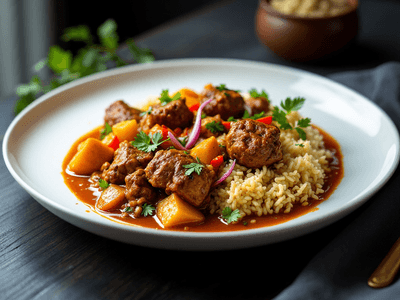
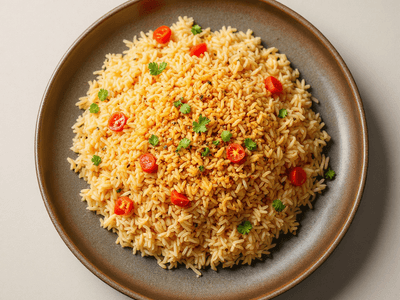
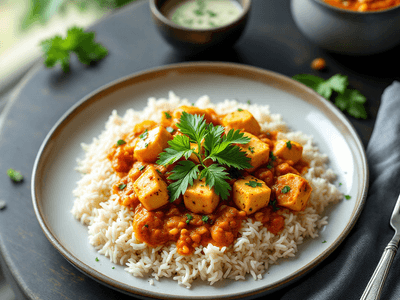
Vegetarian Biryani is a fragrant, wholesome Indian rice dish, celebrated for its vibrant flavors and rich history. Originating in the royal kitchens of Mughal India, biryani has evolved into countless regional varieties, each with unique ingredients and spices. While chicken biryani is popular, vegetarian biryani is equally beloved across India, especially among those preferring plant-based meals. This dish features aromatic basmati rice layered with colorful vegetables, warm spices, and fresh herbs, slow-cooked to perfection. The result is a meal that's both hearty and satisfying, making it a staple for festive occasions and everyday dining alike. Vegetarian biryani is renowned for its tantalizing aroma and complex taste, thanks to the blend of spices like cinnamon, cardamom, and cloves, along with fresh mint and coriander. It offers a delightful medley of textures, with each grain of rice infused with the essence of vegetables and subtle spices. As a health-conscious alternative, this version uses minimal oil, brown basmati rice for increased fiber, and an array of nutrient-dense vegetables, making it perfect for calorie trackers and those seeking a balanced diet. Whether enjoyed for lunch, dinner, or as a special snack, this vegetarian biryani is a celebration of Indian culinary tradition and healthy eating.
Ingredients(for 1 medium bowl biryani (about 1.5 cups))
- 1 cup Brown basmati rice (soaked for 20 minutes)
- 1 cup Mixed vegetables (carrot, beans, peas, potato, diced)
- 1 medium Onion (thinly sliced)
- 1 small Tomato (chopped)
- 1/4 cup Curd (yogurt) (low-fat dahi)
- 1 tsp Ginger-garlic paste
- 2 tbsp Mint leaves (fresh, chopped)
- 2 tbsp Coriander leaves (fresh, chopped)
- 1 tsp Biryani masala (or homemade garam masala)
- 1/4 tsp Turmeric powder
- 1/2 tsp Red chili powder (adjust to taste)
- 1/2 tsp Cumin seeds
- 1 Bay leaf - optional
- 2 Cloves - optional
- 1 inch Cinnamon stick - optional
- to taste Salt
- 1 tbsp Oil (preferably cold-pressed or olive oil)
- 2 cups Water
Instructions
- 1
Wash and soak the brown basmati rice in water for 20 minutes. Drain and set aside.
5 minutes
Soaking rice ensures even cooking and fluffy grains.
- 2
Heat oil in a heavy-bottomed vessel or pressure cooker. Add cumin seeds, bay leaf, cloves, and cinnamon stick. Sauté for 30 seconds until aromatic.
2 minutes
Tempering whole spices releases essential oils and aroma.
- 3
Add the sliced onions and sauté until golden brown. Stir in ginger-garlic paste and cook until raw smell disappears.
3 minutes
Cook onions well for a rich, caramelized flavor.
- 4
Add chopped tomatoes, turmeric, red chili powder, and biryani masala. Cook until tomatoes soften and oil separates.
3 minutes
Cooking spices with tomatoes enhances depth of flavor.
Why This Dish is Healthy
This biryani recipe is a healthy choice because it uses whole grains, a variety of vegetables, and low-fat ingredients, resulting in a balanced meal with high nutritional value. It is naturally low in saturated fat and rich in dietary fiber, which supports digestion and satiety. The inclusion of spices like turmeric and ginger also adds anti-inflammatory benefits, making it ideal for a wholesome Indian diet.
Vegetarian biryani made with brown basmati rice is a fiber-rich, low-fat meal packed with vitamins and minerals from assorted vegetables. It provides complex carbohydrates for steady energy, protein from curd and vegetables, and essential micronutrients like vitamin A, vitamin C, potassium, and magnesium. Using minimal oil and low-fat dairy keeps the dish light and heart-healthy, making it suitable for calorie-conscious individuals.
Pro Tips
- 💡Tip 1: Use aged, long-grain basmati rice for best texture and aroma
- 💡Tip 2: Add a few saffron strands soaked in warm milk for richer flavor and color
- 💡Tip 3: Layer with fried onions and nuts for extra crunch and nutrition
- 💡Tip 4: For vegan version, replace curd with cashew yogurt or skip entirely
Storage & Serving
Keeps for 6-8 hours at room temperature. Refrigerate for up to 2 days.
Best served: Lunch or early dinner
Nutrition Facts
| Nutrient | Per 100g |
|---|---|
| Energy | 420.0 kcal |
| Protein | 5.8 g |
| Carbohydrates | 18.5 g |
| Total Fat | 6.5 g |
| Fiber | 1.2 g |
| Sugars | 0.7 g |
| Iron | 1.0 mg |
| Calcium | 18.0 mg |
| Sodium | 340.0 mg |
| Potassium | 180.0 mg |
| Cholesterol | 28.0 mg |
| Vitamin A | 45.0 IU |
| Vitamin C | 2.0 mg |
| Magnesium | 18.0 mg |
| Zinc | 0.7 mg |
| Phosphorus | 85.0 mg |
| Vitamin D | 0.3 IU |
| Vitamin B1 (Thiamine) | 0.1 mg |
| Vitamin B2 (Riboflavin) | 0.1 mg |
| Vitamin B3 (Niacin) | 2.1 mg |
| Vitamin B6 | 0.1 mg |
| Vitamin B12 | 0.2 µg |
| Folate | 8.0 µg |