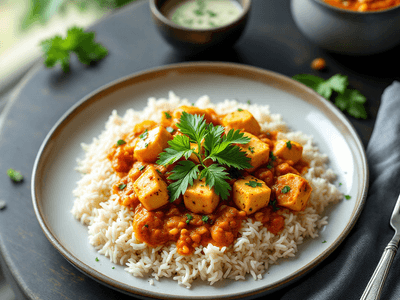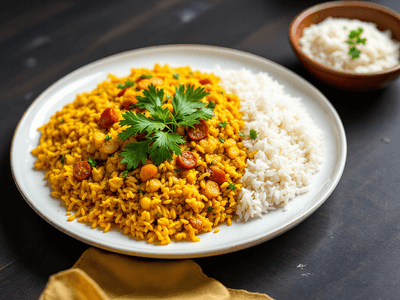
Khichdi (Dal and Rice)
Global • Vegetarian
How to Make Khichdi (Traditional & Healthy Version)
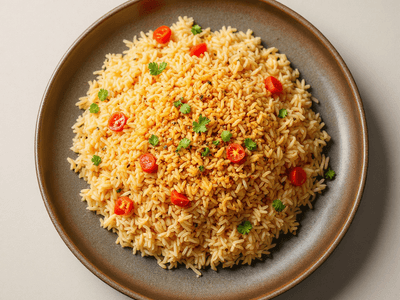
Khichdi is a beloved Indian comfort food, cherished for centuries across diverse regions of India. Made from a wholesome blend of rice and dal (lentils), this one-pot dish is renowned for its simplicity, mild spices, and nourishing qualities. Khichdi is often prepared as a staple meal in Indian homes, especially when someone seeks a light, easily digestible, and nutritious option. Historically, khichdi has been associated with Ayurveda as a sattvic food, believed to balance the body and mind. This traditional khichdi recipe is not only easy to make but also brimming with health benefits, making it perfect for calorie-conscious individuals. The gentle flavor, subtle spices, and comforting texture make it a favorite among all age groups, from toddlers to elders. Globally recognized as a symbol of Indian vegetarian cuisine, khichdi exemplifies the art of creating satisfying meals from humble ingredients. It’s a go-to dish during festivals, fasting, or recovery periods, offering warmth and nourishment with every spoonful.
Ingredients(for 1 medium bowl (about 250g))
- 1/2 cup Rice (short-grain or basmati)
- 1/2 cup Yellow moong dal (split yellow lentils)
- 3 cups Water
- 1/2 tsp Turmeric powder (haldi)
- 1/2 tsp Cumin seeds (jeera)
- 1 tsp Ginger (finely chopped)
- 1 Green chilies (slit, optional) - optional
- 1/4 cup Carrot (chopped, optional) - optional
- 1/4 cup Green peas (fresh or frozen, optional) - optional
- 1 tsp Ghee (clarified butter) - optional
- to taste Salt
- a pinch Asafoetida (hing, optional) - optional
Instructions
- 1
Rinse rice and moong dal 2-3 times under running water until water runs clear. Soak for 10 minutes to enhance digestibility.
10 minutes
Soaking reduces cooking time and improves nutrient absorption.
- 2
Heat ghee in a pressure cooker or heavy-bottomed pan. Add cumin seeds; let them splutter. Add chopped ginger and asafoetida, sauté for 30 seconds.
2 minutes
For a vegan version, use a teaspoon of oil instead of ghee.
- 3
Add chopped carrots, green peas, and green chilies (if using). Sauté for 2 minutes until slightly soft.
2 minutes
Vegetables add fiber and color; you can use bottle gourd, spinach, or beans as well.
- 4
Add soaked rice and dal. Stir for 1 minute to coat with the ghee and spices.
1 minute
Stirring enhances the flavor and aroma.
Why This Dish is Healthy
This khichdi recipe is a balanced meal, offering an ideal mix of protein, carbs, and fiber to keep you full and energized. It’s light on the stomach, low in saturated fats, and packed with micronutrients. Using minimal ghee and adding vegetables further enhances its health quotient, making it suitable for weight loss, diabetes, and overall wellness.
Khichdi is a powerhouse of nutrition, combining complex carbohydrates from rice and high-quality plant protein from moong dal. It is low in fat, easy to digest, and naturally gluten-free if prepared without asafoetida containing wheat. The addition of vegetables boosts dietary fiber, vitamins A and C, and minerals like potassium and magnesium. Turmeric provides anti-inflammatory benefits, while cumin aids digestion.
Pro Tips
- 💡Tip 1: Always soak rice and dal for better texture and nutrition.
- 💡Tip 2: Use a pressure cooker for quick and even cooking.
- 💡Tip 3: Add vegetables of your choice for extra nutrients.
- 💡Tip 4: Adjust water for desired consistency—thicker for kids, thinner for adults.
- 💡Tip 5: A tempering of cumin and ghee at the end enhances flavor.
Storage & Serving
Keeps for 6-8 hours at room temperature. Refrigerate for up to 2 days.
Best served: Breakfast or Lunch
Nutrition Facts
| Nutrient | Per 100g |
|---|---|
| Energy | 250.0 kcal |
| Protein | 4.0 g |
| Carbohydrates | 20.0 g |
| Total Fat | 1.5 g |
| Fiber | 2.0 g |
| Sugars | 0.3 g |
| Iron | 1.0 mg |
| Calcium | 18.0 mg |
| Sodium | 250.0 mg |
| Potassium | 110.0 mg |
| Cholesterol | 0.0 mg |
| Vitamin A | 10.0 IU |
| Vitamin C | 1.0 mg |
| Magnesium | 20.0 mg |
| Zinc | 0.6 mg |
| Phosphorus | 60.0 mg |
| Vitamin D | 0.0 IU |
| Vitamin B1 (Thiamine) | 0.1 mg |
| Vitamin B2 (Riboflavin) | 0.0 mg |
| Vitamin B3 (Niacin) | 0.7 mg |
| Vitamin B6 | 0.1 mg |
| Vitamin B12 | 0.0 µg |
| Folate | 25.0 µg |