Steamed Basmati Rice
South Asia • Vegan
How to Make Steamed Basmati Rice (Traditional & Healthy Version)
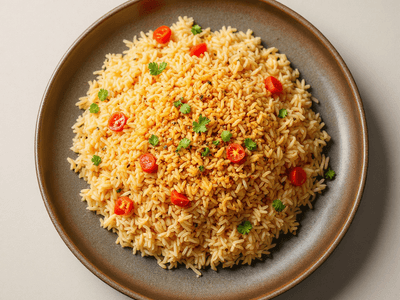
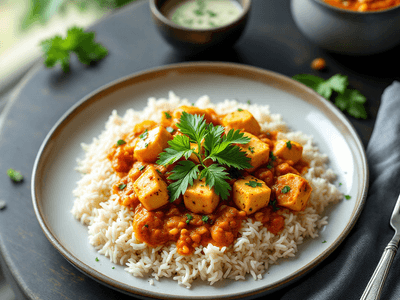
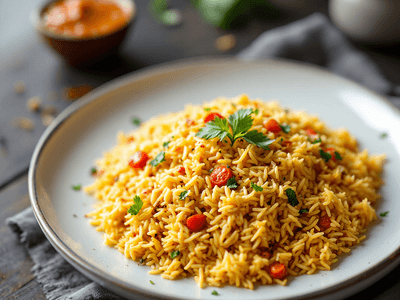
Steamed Basmati Rice is a staple in South Asian cuisine, renowned for its fragrant aroma, delicate flavor, and fluffy texture. Originating from the fertile plains of the Indian subcontinent, especially in regions like Punjab and Uttar Pradesh, basmati rice is often served as the foundation of countless Indian meals. Its long, slender grains remain separate and tender after steaming, making it a perfect complement to curries, dals, and sabzis. The process of steaming preserves the natural nutrients of the rice, ensuring a healthy and wholesome dish. In Indian homes, steamed basmati rice is not just a side—it’s a canvas for culinary creativity. Whether paired with spicy South Indian sambar or creamy North Indian dal makhani, its subtle taste enhances every meal. Because it is light on spices and oil, steamed rice is easy to digest, making it ideal for those seeking a nutritious, low-fat option. Its mild flavor and versatility also make it a favorite among children and adults alike, reflecting the simplicity and warmth of Indian home-cooked food. Steamed basmati rice stands out as a healthy, vegetarian snack or meal base, and is often the centerpiece at family gatherings, festive occasions, and everyday thalis. With minimal ingredients and a straightforward cooking method, it’s a go-to for anyone looking to prepare authentic Indian food that’s both nourishing and delicious.
Ingredients(for 1 katori (small bowl) steamed rice)
- 1 cup Basmati rice (preferably aged)
- 2 cups Water (filtered)
- 1/4 teaspoon Salt (optional) - optional
- 1/2 teaspoon Ghee (for aroma and shine) - optional
- 1/2 teaspoon Lemon juice (prevents stickiness) - optional
- 1 small Bay leaf (adds subtle fragrance) - optional
- 2 Cloves (optional, for aroma) - optional
- 1 Cardamom pod (optional, for flavor) - optional
Instructions
- 1
Rinse the basmati rice thoroughly in cold water 2-3 times until the water runs clear. This removes excess starch and prevents the rice from becoming sticky.
3 minutes
Soaking rice for 15 minutes after rinsing yields fluffier grains.
- 2
Soak the rinsed rice in fresh water for 10-15 minutes. Drain well before cooking.
15 minutes
Don’t oversoak—15 minutes is ideal for aged basmati.
- 3
In a heavy-bottomed saucepan or handi, add the drained rice and 2 cups of water. Add salt, bay leaf, cloves, and cardamom if using.
2 minutes
A thick pan prevents rice from sticking and burning.
- 4
Bring to a gentle boil over medium heat. Once bubbles appear, reduce the flame to low, cover tightly with a lid, and let it simmer undisturbed.
2 minutes
Keep the lid on to trap steam and cook evenly.
Why This Dish is Healthy
This authentic steamed basmati rice recipe uses minimal fat and no heavy seasonings, ensuring a light, wholesome meal that’s ideal for weight management and general wellness. Steaming preserves the natural nutrients of the rice, making it more nutritious compared to fried or heavily seasoned rice dishes. It is suitable for vegetarians, easily adapted for vegan diets, and gentle enough for kids and those with sensitive stomachs.
Steamed basmati rice is naturally low in fat and sodium, making it a heart-friendly choice. It is a good source of complex carbohydrates, offering sustained energy without causing blood sugar spikes when portioned sensibly. Basmati rice provides essential B vitamins like thiamine and niacin, and minerals such as magnesium and potassium. When prepared without excessive oil or ghee, it fits well into calorie-controlled diets and supports digestive health due to its easy digestibility.
Pro Tips
- 💡Tip 1: Rinse rice thoroughly to remove excess starch and achieve fluffy grains.
- 💡Tip 2: Use aged basmati rice for the best fragrance and texture.
- 💡Tip 3: Let rice rest after cooking before fluffing for perfect separation.
- 💡Tip 4: Add a bay leaf or cardamom for subtle aroma without calories.
- 💡Tip 5: Avoid stirring while cooking to prevent breakage.
Storage & Serving
Keeps for 6-8 hours at room temperature. Refrigerate for up to 2 days. Reheat gently with a sprinkle of water to retain moisture.
Best served: Breakfast or Lunch
Nutrition Facts
| Nutrient | Per 100g |
|---|---|
| Energy | 190.0 kcal |
| Protein | 2.7 g |
| Carbohydrates | 28.0 g |
| Total Fat | 0.3 g |
| Fiber | 0.4 g |
| Sugars | 0.1 g |
| Iron | 0.2 mg |
| Calcium | 5.0 mg |
| Sodium | 1.0 mg |
| Potassium | 26.0 mg |
| Cholesterol | 0.0 mg |
| Vitamin A | 0.0 IU |
| Vitamin C | 0.0 mg |
| Magnesium | 12.0 mg |
| Zinc | 0.4 mg |
| Phosphorus | 32.0 mg |
| Vitamin D | 0.0 IU |
| Vitamin B1 (Thiamine) | 0.1 mg |
| Vitamin B2 (Riboflavin) | 0.0 mg |
| Vitamin B3 (Niacin) | 1.6 mg |
| Vitamin B6 | 0.1 mg |
| Vitamin B12 | 0.0 µg |
| Folate | 8.0 µg |