Kuih Lapis
Global • veg
How to Make Kuih Lapis (Traditional & Healthy Version)
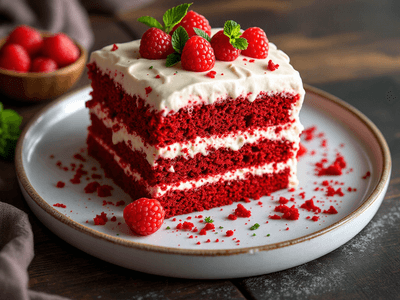
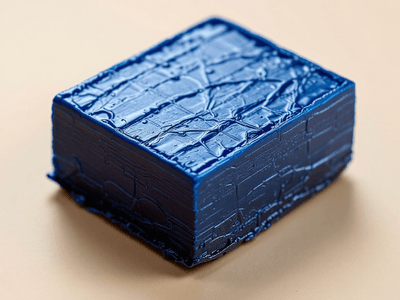
Kuih Lapis is a beloved Malaysian snack, renowned for its vibrant layered appearance and delicate sweetness. Rooted in Peranakan culture, this steamed cake is a staple at festive gatherings and celebrations throughout Malaysia. The name 'Kuih Lapis' means 'layered cake' in Malay, and each colorful layer is a testament to the country's rich multicultural heritage. The key ingredients—rice flour, tapioca flour, and santan (coconut milk)—are all locally sourced, making this a truly Malaysian treat. Traditionally, Kuih Lapis is enjoyed during tea time or served at weddings, birthdays, and religious festivals. The use of natural colors from pandan leaves or bunga telang (blue pea flower) adds distinctive flavors and local flair. Its soft, chewy texture and mild coconut taste make it irresistible to both young and old. Opting for a health-conscious version, we've reduced added sugar and used natural coloring, ensuring you can enjoy this iconic Malaysian kuih guilt-free. Whether you're new to Malaysian cuisine or a local enthusiast, making Kuih Lapis at home is a rewarding way to connect with Malaysia's culinary heritage.
Ingredients(for 2 slices (approx. 100g each))
- 1/2 cup Rice flour (Tepung beras)
- 1/4 cup Tapioca flour (Tepung ubi kayu)
- 1 cup Santan (coconut milk) (Freshly extracted preferred)
- 2 tablespoons Pandan juice (Extracted from pandan leaves)
- as needed Natural food coloring (Bunga telang (blue pea flower) or beetroot juice) - optional
- 1/4 cup Sugar (Reduce for healthier version)
- 1/8 teaspoon Salt (Garam)
- 1 cup Water (Filtered)
- as needed Banana leaf or parchment paper (To line the pan) - optional
Instructions
- 1
Prepare the steaming pan by lining it with banana leaf or parchment paper for easy removal and enhanced aroma.
2 minutes
If using banana leaf, lightly oil it to prevent sticking.
- 2
In a mixing bowl, combine rice flour, tapioca flour, sugar, and salt. Mix well until dry ingredients are uniformly combined.
2 minutes
Sifting flours helps avoid lumps and creates a smoother batter.
- 3
Gradually add santan and water to the flour mixture, stirring continuously to form a smooth batter.
3 minutes
Ensure there are no lumps; a hand whisk works best.
- 4
Divide the batter into separate bowls. Add pandan juice to one bowl and natural coloring (bunga telang or beetroot juice) to others to create distinct layers.
3 minutes
Use natural colors for authentic Malaysian flavor and health benefits.
Why This Dish is Healthy
Kuih Lapis is a healthier choice due to its plant-based ingredients, low added sugar, and reliance on natural colorings. The use of santan provides healthy fats while rice and tapioca flours offer fiber and complex carbs. By reducing refined sugar and employing natural flavors, this Malaysian snack supports balanced energy levels and is suitable for most diet plans. It’s also gluten-free and vegan adaptable.
This healthy Kuih Lapis recipe is low in fat, thanks to the use of natural santan and minimal sugar. Rice flour and tapioca flour are gluten-free and provide slow-releasing carbohydrates for sustained energy. Pandan juice and bunga telang add antioxidants such as chlorophyll and anthocyanins. Coconut milk is rich in manganese and essential fatty acids. The absence of artificial coloring and preservatives makes this a nutritious, clean snack option.
Pro Tips
- 💡Tip 1: Use fresh santan for the richest coconut flavor.
- 💡Tip 2: Allow each layer to fully set before adding the next to prevent mixing.
- 💡Tip 3: Slice Kuih Lapis with a greased, sharp knife for clean, attractive layers.
Storage & Serving
Store Kuih Lapis in an airtight container at room temperature for up to 2 days, or refrigerate for up to 5 days. Allow to come to room temperature before serving for best texture.
Best served: Breakfast or Lunch
Nutrition Facts
| Nutrient | Per 100g |
|---|---|
| Energy | 180.0 kcal |
| Protein | 2.0 g |
| Carbohydrates | 38.0 g |
| Total Fat | 2.0 g |
| Fiber | 0.6 g |
| Sugars | 18.0 g |
| Sodium | 12.0 mg |
| Potassium | 38.0 mg |
| Cholesterol | 0.0 mg |
| Vitamin A | 0.0 IU |
| Vitamin C | 0.0 mg |
| Calcium | 6.0 mg |
| Iron | 0.3 mg |
| Magnesium | 4.0 mg |
| Zinc | 0.1 mg |
| Phosphorus | 12.0 mg |
| Vitamin D | 0.0 IU |
| Vitamin B1 (Thiamine) | 0.0 mg |
| Vitamin B2 (Riboflavin) | 0.0 mg |
| Vitamin B3 (Niacin) | 0.2 mg |
| Vitamin B6 | 0.0 mg |
| Vitamin B12 | 0.0 µg |
| Folate | 3.0 µg |