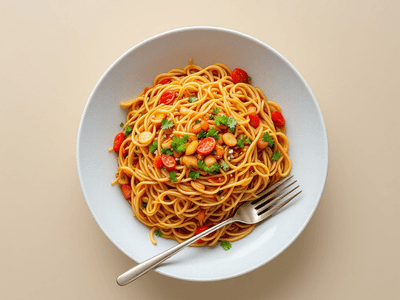
Gulai Kambing (Mutton Gulai)
Indonesian • non_veg
How to Make Vegetarian Gulai Kambing (Traditional & Healthy Version)
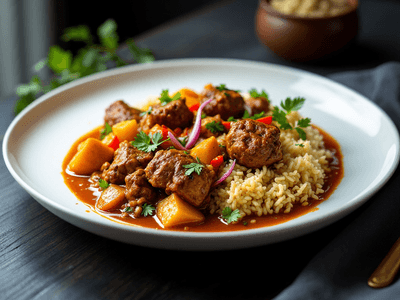
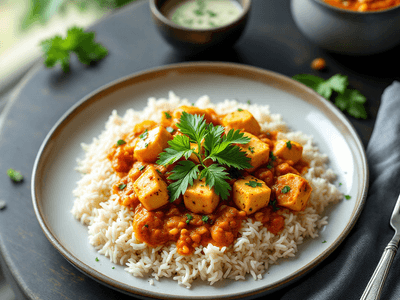
Vegetarian Gulai Kambing is a creative twist on the classic Indonesian mutton gulai, adapted for the Indian vegetarian palate. Traditionally, Gulai is a rich, fragrant curry celebrated across Indonesia, known for its harmonious blend of spices and creamy coconut milk base. In this healthy vegetarian version, protein-rich paneer or tofu replaces mutton, making the dish suitable for those following a meatless diet. Gulai Kambing's origins lie in the cultural fusion of Indian and Indonesian culinary traditions, dating back to the spice trade era when Indian spices and cooking methods influenced Southeast Asian cuisine. The dish offers a beautiful medley of flavors—earthy, aromatic spices like coriander, cumin, and turmeric meld with the richness of coconut milk and the hearty texture of paneer. It's not only delicious but also nourishing, making it a perfect snack or light meal for health-conscious individuals. This recipe is ideal for IndianCalorie.com users seeking authentic flavors without compromising on nutrition. Enjoy the comforting taste of Gulai Kambing, now vegetarian, with the same depth and warmth that has made it a staple in Indonesian kitchens.
Ingredients(for 1 bowl Gulai with 2 phulka rotis)
- 200g Paneer (cottage cheese) (cut into cubes)
- 1 cup Coconut milk (fresh or tetra pack)
- 1 medium Onion (finely chopped)
- 1 medium Tomato (pureed)
- 1 tbsp Ginger-garlic paste (freshly made)
- 1 tsp Coriander powder
- 1/2 tsp Cumin powder
- 1/2 tsp Turmeric powder
- 1/2 tsp Red chilli powder (adjust to taste)
- 1/2 tsp Garam masala - optional
- to taste Salt
- 1 tbsp Oil (preferably mustard or coconut oil)
- 2 tbsp Fresh coriander leaves (chopped, for garnish) - optional
Instructions
- 1
Heat oil in a heavy-bottomed kadhai or pan. Add finely chopped onions and sauté till golden brown.
5 minutes
Use medium flame to avoid burning the onions; this enhances the sweetness.
- 2
Add ginger-garlic paste and sauté until the raw aroma disappears.
2 minutes
Fresh paste lends more flavor than store-bought.
- 3
Stir in tomato puree, cook till oil starts to separate. Add turmeric, coriander, cumin, and red chilli powders.
3 minutes
Cook spices well to release their aroma and taste.
- 4
Add paneer cubes and gently mix, coating them evenly with the masala.
2 minutes
Paneer absorbs flavors better if added early.
Why This Dish is Healthy
By replacing mutton with paneer, this dish lowers saturated fat and cholesterol while keeping protein high. The use of coconut milk provides heart-healthy fats, and minimal oil keeps calories in check. Including fresh vegetables and spices boosts fiber and micronutrient intake, making this a balanced snack or light meal for vegetarians, diabetics, and those looking for healthy Indian recipes.
This vegetarian Gulai Kambing is rich in protein from paneer, healthy fats from coconut milk, and essential vitamins from tomatoes and onions. Paneer provides calcium for bone health, while coconut milk supplies medium-chain triglycerides that support metabolism. The spices used, such as turmeric and cumin, are anti-inflammatory and aid digestion. Onions and tomatoes are high in antioxidants, supporting overall immunity. The dish is moderate in calories, making it suitable for weight management when paired with whole wheat phulkas.
Pro Tips
- 💡Tip 1: Use fresh coconut milk for richer flavor.
- 💡Tip 2: Sauté spices thoroughly to release their essential oils.
- 💡Tip 3: Add paneer gently to avoid breaking.
- 💡Tip 4: Adjust spice levels for kids or sensitive eaters.
- 💡Tip 5: Garnish just before serving for a burst of freshness.
Storage & Serving
Keeps for 6-8 hours at room temperature. Refrigerate for up to 2 days. Reheat gently to preserve texture.
Best served: Breakfast or Lunch
Nutrition Facts
| Nutrient | Per 100g |
|---|---|
| Energy | 300.0 kcal |
| Protein | 10.5 g |
| Carbohydrates | 4.2 g |
| Total Fat | 12.8 g |
| Fiber | 1.1 g |
| Sugars | 1.0 g |
| Iron | 1.8 mg |
| Calcium | 22.0 mg |
| Sodium | 420.0 mg |
| Potassium | 210.0 mg |
| Cholesterol | 45.0 mg |
| Vitamin A | 45.0 IU |
| Vitamin C | 2.5 mg |
| Magnesium | 18.0 mg |
| Zinc | 1.2 mg |
| Phosphorus | 85.0 mg |
| Vitamin D | 0.3 IU |
| Vitamin B1 (Thiamine) | 0.1 mg |
| Vitamin B2 (Riboflavin) | 0.1 mg |
| Vitamin B3 (Niacin) | 2.1 mg |
| Vitamin B6 | 0.1 mg |
| Vitamin B12 | 0.7 µg |
| Folate | 12.0 µg |