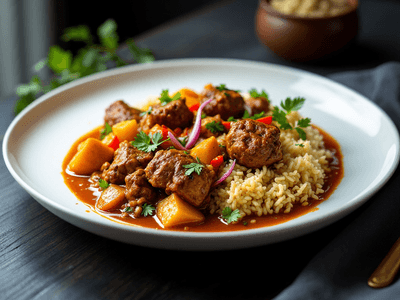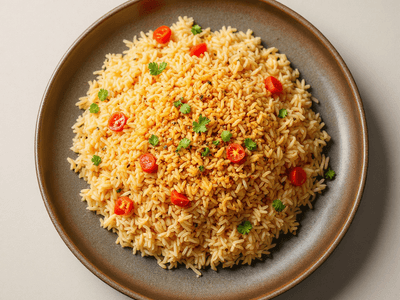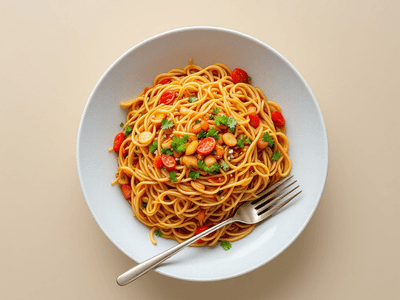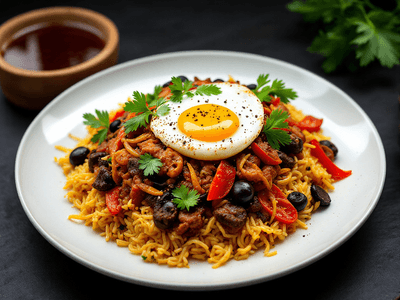
Nasi Dagang with Egg
Malaysian • Non-Vegetarian
How to Make Nasi Dagang with Egg (Traditional & Healthy Version)
Nasi Dagang with Egg is a beloved Malaysian dish hailing from the east coast, especially Terengganu and Kelantan. The name 'Nasi Dagang' refers to 'trader's rice,' symbolizing its popularity among traveling merchants and local markets. Traditionally served during breakfast or festive occasions, this vegetarian adaptation features fragrant rice steamed with santan (coconut milk), pandan leaves, and lemongrass, paired with perfectly boiled eggs. The dish showcases the multicultural influences of Malaysia, blending aromatic spices and local herbs that create a harmonious balance of flavors. This healthier version maintains authenticity while reducing saturated fat, making it ideal for calorie-conscious eaters. Nasi Dagang is more than just a meal – it is a celebration of Malaysia’s rich culinary heritage, where every bite reflects the diversity and vibrancy of its people. The delicate coconut aroma, subtle sweetness of pandan, and the protein-rich egg make this Malaysian snack both satisfying and nourishing. Perfect for those seeking a wholesome yet traditional taste of Malaysia.
Ingredients(for 1 bowl of coconut rice with 1 boiled egg)
- 1 cup Beras Dagang (mixed red and white rice) (authentic Malaysian rice blend)
- 3/4 cup Santan (light coconut milk) (use low-fat for health)
- 2 leaves Pandan leaves (tied into knots)
- 1 stalk Lemongrass (bruised)
- 1-inch piece Ginger (thinly sliced)
- 1/2 tsp Salt
- 2 Eggs (free-range preferred)
- 2 Shallots (finely sliced)
- 1/4 tsp Pepper (freshly ground)
- 1/2 cup Cucumber slices (for garnish) - optional
Instructions
- 1
Rinse the beras dagang thoroughly until water runs clear. Soak for 10 minutes to soften grains.
10 minutes
Soaking helps rice cook evenly and absorb coconut flavor.
- 2
Drain rice and place in a rice cooker. Add santan, pandan leaves, lemongrass, ginger, and salt. Add enough water to reach the rice cooker’s ‘rice’ mark.
2 minutes
Use light santan to reduce calories but retain authentic taste.
- 3
Cook rice on the ‘white rice’ setting until fluffy. Let it sit for 5 minutes before fluffing with a fork to distribute aromas.
20 minutes
Leave pandan and lemongrass in during steaming for extra fragrance.
- 4
Meanwhile, place eggs in a saucepan with cold water. Bring to a boil, then simmer for 7 minutes for medium-boiled eggs.
10 minutes
For easier peeling, cool eggs in ice water.
Why This Dish is Healthy
Choosing light santan and free-range eggs makes this Nasi Dagang with Egg lower in calories and cholesterol, suitable for weight management and heart health. The use of wholesome grains and local herbs boosts nutrient density, while skipping fried toppings keeps the fat content in check. This vegetarian dish fits well into balanced diets and supports healthy eating goals for Malaysians.
This Nasi Dagang with Egg provides a balanced meal rich in complex carbohydrates from beras dagang and high-quality protein from eggs. Pandan and lemongrass add antioxidants, while ginger offers anti-inflammatory properties. By using light santan, the dish is lower in saturated fat but still delivers essential minerals like potassium and magnesium. Shallots and cucumber contribute dietary fiber and vitamins, making this snack both nutritious and sustaining.
Pro Tips
- 💡Tip 1: Use fresh pandan leaves for maximum fragrance.
- 💡Tip 2: Soak beras dagang before cooking for fluffier rice.
- 💡Tip 3: Cool eggs in ice water for easy peeling and a perfect texture.
Storage & Serving
Store leftover coconut rice and eggs separately in airtight containers in the fridge for up to 2 days. Reheat rice with a splash of water to retain moisture.
Best served: Breakfast or Lunch
Nutrition Facts
| Nutrient | Per 100g |
|---|---|
| Energy | 500.0 kcal |
| Protein | 5.5 g |
| Carbohydrates | 28.0 g |
| Total Fat | 4.5 g |
| Fiber | 1.1 g |
| Sugars | 0.7 g |
| Iron | 1.0 mg |
| Calcium | 22.0 mg |