Malaysian Kuih Kodok
Malaysian • Non-Vegetarian
How to Make Malaysian Kuih Kodok (Traditional & Healthy Version)
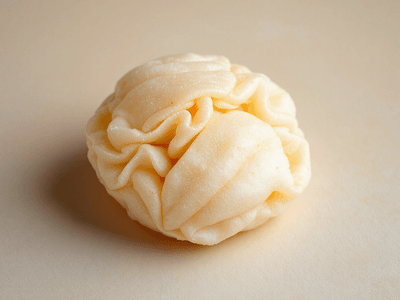
Kuih Kodok, also known as banana fritters, is a beloved Malaysian snack that brings together the multicultural essence of the country’s cuisine. Originating from humble kampung (village) kitchens, this traditional treat is a staple at breakfast tables and roadside stalls across Malaysia. The name 'Kuih Kodok' literally translates to 'toad cake' in Malay, referencing its wonderfully rustic, bumpy shape. Malaysians from all walks of life enjoy Kuih Kodok for its nostalgic, homey flavor and ease of preparation. It’s a testament to the resourcefulness of Malaysian cooks, who transform overripe bananas (pisang) into a delicious, comforting snack that pairs beautifully with a cup of teh tarik. The subtle sweetness of mashed bananas, combined with the aromatic notes of pandan and a hint of santan (coconut milk), makes this dish irresistibly fragrant. This healthier version uses less sugar and minimal oil, allowing you to enjoy the authentic taste without guilt. Perfect for vegetarians and those seeking a wholesome, plant-based indulgence, Kuih Kodok is a delightful way to experience Malaysian culinary heritage.
Ingredients(for 4-5 fritters per person)
- 2 large Overripe bananas (pisang emas or pisang rastali) (mashed)
- 1/2 cup Whole wheat flour (for extra fiber)
- 1 tablespoon Brown sugar (gula perang)
- 2 tablespoons Grated fresh coconut (unsweetened) - optional
- 1 small Pandan leaf (finely chopped) - optional
- 2 tablespoons Santan (coconut milk) (optional for richness) - optional
- 1/2 teaspoon Baking powder
- 1/8 teaspoon Salt
- For shallow frying Vegetable oil (use canola or sunflower oil)
Instructions
- 1
Peel and mash the overripe bananas in a mixing bowl until smooth with a few small chunks for texture.
3 minutes
Use very ripe bananas for maximum sweetness and flavor.
- 2
Add brown sugar, salt, and chopped pandan leaf to the mashed bananas. Mix until well combined.
2 minutes
Adjust sugar based on banana sweetness.
- 3
Stir in whole wheat flour and baking powder. Add grated coconut and santan if using. Mix to form a thick, sticky batter.
3 minutes
Do not overmix; this keeps fritters soft.
- 4
Heat a non-stick skillet with just enough oil for shallow frying over medium heat.
3 minutes
Shallow frying reduces oil absorption compared to deep frying.
Why This Dish is Healthy
Choosing whole wheat flour and reducing sugar makes this Kuih Kodok a better option for those watching their calories and overall health. The use of overripe bananas provides natural sweetness, minimizing the need for added sugars. Shallow frying limits oil absorption, keeping the fritters light yet satisfying. This makes Kuih Kodok an ideal healthy snack for breakfast or tea time without compromising on authentic Malaysian flavor.
This healthier Kuih Kodok recipe uses whole wheat flour for added fiber and reduced refined carbohydrates, making it more filling and better for blood sugar control. Bananas are an excellent source of potassium, vitamin B6, and vitamin C, while grated coconut provides healthy fats and a subtle sweetness. Using minimal oil and shallow frying keeps the fat content lower than the traditional deep-fried version. This snack is naturally cholesterol-free, vegetarian, and can be adapted for vegan diets.
Pro Tips
- 💡Tip 1: Use very ripe bananas for natural sweetness and moist texture.
- 💡Tip 2: Add a pinch of cinnamon or nutmeg for extra aroma.
- 💡Tip 3: Fry in small batches to maintain oil temperature and crispiness.
Storage & Serving
Store leftover Kuih Kodok in an airtight container at room temperature for up to 1 day. For longer storage, refrigerate and reheat in a toaster oven for best texture. Avoid microwaving to keep them crispy.
Best served: Breakfast or Lunch
Nutrition Facts
| Nutrient | Per 100g |
|---|---|
| Energy | 100.0 kcal |
| Protein | 2.5 g |
| Carbohydrates | 38.0 g |
| Total Fat | 7.5 g |
| Fiber | 2.1 g |
| Sugars | 14.0 g |
| Iron | 1.0 mg |
| Calcium | 13.0 mg |
| Sodium | 110.0 mg |
| Potassium | 220.0 mg |
| Cholesterol | 0.0 mg |
| Vitamin A | 10.0 IU |
| Vitamin C | 6.0 mg |
| Magnesium | 20.0 mg |
| Zinc | 0.3 mg |
| Phosphorus | 35.0 mg |
| Vitamin D | 0.0 IU |
| Vitamin B1 (Thiamine) | 0.1 mg |
| Vitamin B2 (Riboflavin) | 0.0 mg |
| Vitamin B3 (Niacin) | 0.4 mg |
| Vitamin B6 | 0.1 mg |
| Vitamin B12 | 0.0 µg |
| Folate | 15.0 µg |