Egg Bubur Nasi
Malaysian • Non-Vegetarian
How to Make Egg Bubur Nasi (Traditional & Healthy Version)
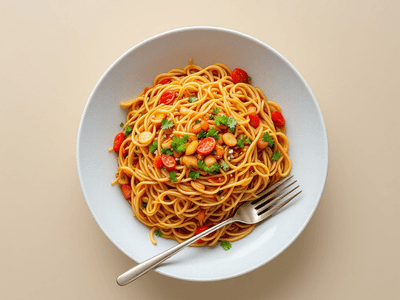
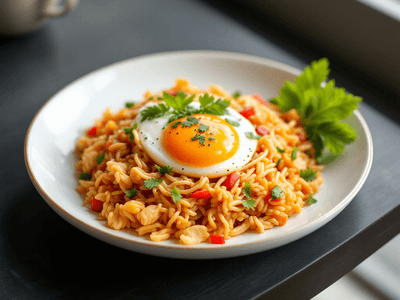
Egg Bubur Nasi is a beloved Malaysian snack that brings comfort and nourishment to every household. Originating from the heart of Malaysia’s multicultural cuisine, this dish is a staple during breakfast or whenever you crave something warm and soothing. Bubur Nasi, or rice porridge, has been enjoyed for generations by Malaysians from all walks of life. The humble combination of soft, aromatic nasi (rice) cooked to a silky consistency and topped with a gently poached telur (egg) creates a meal that is both satisfying and easy to digest. The addition of fresh ginger, daun pandan, and daun bawang (spring onions) infuses the bubur with subtle Malaysian flavors, while a touch of light soy sauce and white pepper brings balance and depth. Egg Bubur Nasi is often served with simple garnishes, such as fried shallots and chopped herbs, reflecting the rich culinary traditions of Malaysia. As a vegetarian-friendly option, it is perfect for those seeking a nutritious yet light meal, especially on busy mornings or as a wholesome snack. This classic dish captures the essence of Malaysian hospitality—warm, nourishing, and made with love.
Ingredients(for 1 medium bowl per serving)
- 1 cup White rice (nasi)
- 5 cups Water
- 2 Eggs (telur)
- 1-inch piece, sliced Ginger (halia)
- 1 leaf, knotted Pandan leaf (daun pandan) - optional
- 2 stalks, chopped Spring onions (daun bawang)
- 2 teaspoons Light soy sauce (kicap masin)
- 1/4 teaspoon White pepper (lada putih)
- 2 tablespoons Fried shallots (bawang goreng) - optional
- to taste Salt (garam)
Instructions
- 1
Rinse the rice thoroughly and drain. Combine rice, water, ginger slices, and knotted pandan leaf in a medium pot.
3 minutes
Using pandan gives the porridge a delicate aroma.
- 2
Bring to a boil over medium heat. Reduce to low and simmer, stirring occasionally to prevent sticking, until rice grains break down and mixture becomes creamy.
15 minutes
Stir often for a smoother texture.
- 3
Remove pandan leaf. Season the bubur with salt, light soy sauce, and white pepper. Mix well.
2 minutes
Adjust seasoning to your taste preference.
- 4
Crack eggs gently into the simmering bubur. Cover and cook until eggs are just set but yolks remain runny.
3 minutes
For firmer eggs, cook a minute longer.
Why This Dish is Healthy
This Malaysian Bubur Nasi recipe is a healthy choice because it uses wholesome, minimally processed ingredients and avoids heavy oils or saturated fats. The rice porridge is filling yet light, and the eggs add quality protein for muscle repair and satiety. By limiting sodium and opting for fresh herbs, the dish is low in calories and suitable for calorie tracking, weight management, and heart health.
Egg Bubur Nasi is naturally low in fat and high in complex carbohydrates, making it a great source of sustained energy. The addition of eggs boosts protein content, while ginger and spring onions offer antioxidants and vitamins. Using pandan leaf adds subtle flavor without calories. This dish is gentle on the digestive system, making it an ideal meal for those seeking nourishment and comfort. It provides essential B vitamins, iron from eggs, and vital minerals, supporting overall health.
Pro Tips
- 💡Use day-old rice for faster cooking and smoother texture.
- 💡Add a dash of sesame oil for extra aroma and flavor.
- 💡Simmer gently and stir often for a silky, lump-free porridge.
Storage & Serving
Store any leftover bubur in an airtight container in the refrigerator for up to 2 days. Reheat gently, adding a splash of water to restore creamy texture. Eggs are best added fresh; avoid storing cooked eggs in bubur.
Best served: Breakfast or Lunch
Nutrition Facts
| Nutrient | Per 100g |
|---|---|
| Energy | 210.0 kcal |
| Protein | 4.8 g |
| Carbohydrates | 15.2 g |
| Total Fat | 2.3 g |
| Fiber | 0.7 g |
| Sugars | 0.2 g |
| Iron | 1.1 mg |
| Calcium | 22.0 mg |
| Sodium | 210.0 mg |
| Potassium | 95.0 mg |
| Cholesterol | 65.0 mg |
| Vitamin A | 45.0 IU |
| Vitamin C | 0.0 mg |
| Magnesium | 13.0 mg |
| Zinc | 0.6 mg |
| Phosphorus | 65.0 mg |
| Vitamin D | 1.1 IU |
| Vitamin B1 (Thiamine) | 0.1 mg |
| Vitamin B2 (Riboflavin) | 0.1 mg |
| Vitamin B3 (Niacin) | 0.8 mg |
| Vitamin B6 | 0.1 mg |
| Vitamin B12 | 0.4 µg |
| Folate | 19.0 µg |