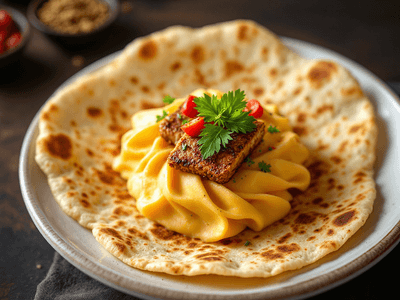
Roti Bakar with Kaya
Malaysian • halal_safe
How to Make Roti Bakar with Kaya (Traditional & Healthy Version)
Roti Bakar with Kaya is a beloved classic in Malaysian cuisine, often enjoyed during early mornings at kopitiams (local coffee shops) across the nation. This simple yet flavorful snack features crispy charcoal-grilled or toasted bread generously spread with kaya, a fragrant coconut and egg jam infused with pandan leaves. The combination of warm, crunchy roti and sweet, creamy kaya is pure comfort, evoking memories of traditional Malaysian breakfasts shared among friends and family. Originating from Malaysia’s vibrant multicultural food scene, Roti Bakar with Kaya is a testament to local ingenuity and the harmonious blending of Malay, Chinese, and Indian culinary influences. The use of santan (coconut milk) and pandan is distinctly Malaysian, adding depth and aroma unique to the region. This dish is not only a nostalgic treat but also a healthier alternative to sugary pastries, especially when homemade using wholegrain bread and natural sweeteners. Whether served with half-boiled eggs or a cup of kopi, Roti Bakar with Kaya is a must-try snack that offers a taste of Malaysia’s rich heritage.
Ingredients(for 2 slices of toast with kaya spread)
- 4 slices Wholegrain bread (Roti)
- 1/2 cup Coconut milk (Santan)
- 2 Eggs (Grade A, room temperature)
- 2 leaves Pandan leaves (Daun pandan, knotted)
- 1/3 cup Brown sugar (Gula perang)
- 1/8 tsp Salt
- 1 tbsp Butter or margarine (For spreading, optional low-fat) - optional
Instructions
- 1
Prepare the kaya: In a heatproof bowl, whisk together eggs and brown sugar until the sugar dissolves and the mixture is smooth.
5 minutes
Whisk gently to avoid forming bubbles for a silky kaya texture.
- 2
Add coconut milk and salt to the egg mixture, stirring well. Tie pandan leaves into knots and add them in for aroma.
2 minutes
Use fresh santan for the best flavor and aroma.
- 3
Cook the kaya mixture over a double boiler on low heat, stirring continuously until it thickens to a custard-like consistency (about 15-18 minutes). Remove pandan leaves.
18 minutes
Constant stirring prevents curdling and ensures smooth kaya.
- 4
Toast the bread slices using a toaster or grill until golden and crispy.
4 minutes
For authentic flavor, use a charcoal grill if available.
Why This Dish is Healthy
Choosing wholegrain bread boosts dietary fiber, which supports digestion and lowers cholesterol. The use of natural ingredients like santan and pandan reduces artificial additives and enhances nutritional value. Making kaya at home allows you to minimize sugar and fat, turning this Malaysian snack into a health-conscious treat without sacrificing authentic flavor. It’s perfect for those watching their calories but still craving a classic local delight.
This healthy Roti Bakar with Kaya recipe uses wholegrain bread, providing higher fiber and more sustained energy. The kaya is naturally sweetened with brown sugar and enriched with eggs, supplying protein and essential B vitamins. Santan adds beneficial fats and minerals like potassium and magnesium, while pandan leaves offer antioxidants. By controlling portion size and using minimal butter, this snack is balanced in macros and lower in saturated fat than the traditional version.
Pro Tips
- 💡Tip 1: Use fresh pandan leaves for the most authentic aroma.
- 💡Tip 2: Stir kaya constantly over gentle heat to avoid curdling.
- 💡Tip 3: Serve with a cup of Malaysian kopi or teh for a complete kopitiam experience.
Storage & Serving
Store leftover kaya in an airtight container in the refrigerator for up to 1 week. Toast should be served fresh, but bread can be kept in a bread box for 2-3 days.
Best served: Breakfast or Lunch
Nutrition Facts
| Nutrient | Per 100g |
|---|---|
| Energy | 240.0 kcal |
| Protein | 5.1 g |
| Carbohydrates | 46.0 g |
| Total Fat | 7.2 g |
| Fiber | 1.8 g |
| Sugars | 15.5 g |
| Iron | 1.2 mg |
| Calcium | 62.0 mg |
| Sodium | 220.0 mg |
| Potassium | 95.0 mg |
| Cholesterol | 12.0 mg |
| Vitamin A | 65.0 IU |
| Vitamin C | 0.0 mg |
| Magnesium | 18.0 mg |
| Zinc | 0.4 mg |
| Phosphorus | 55.0 mg |
| Vitamin D | 0.2 IU |
| Vitamin B1 (Thiamine) | 0.1 mg |
| Vitamin B2 (Riboflavin) | 0.1 mg |
| Vitamin B3 (Niacin) | 0.7 mg |
| Vitamin B6 | 0.0 mg |
| Vitamin B12 | 0.1 µg |
| Folate | 18.0 µg |