Vegetarian Nasi Ulam
Malaysian • halal_safe
How to Make Vegetarian Nasi Ulam (Traditional & Healthy Version)
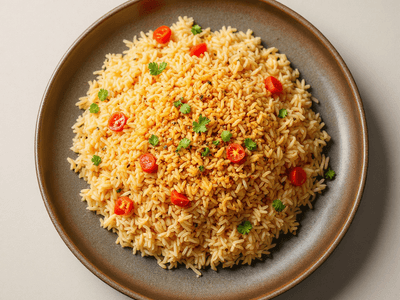
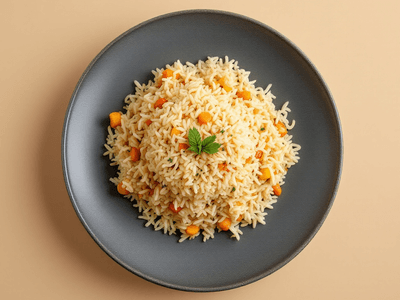
Vegetarian Nasi Ulam is a vibrant Malaysian herbal rice salad, deeply rooted in the multicultural heritage of Malaysia. Traditionally served as a snack or light meal, Nasi Ulam features steamed rice tossed with a medley of finely chopped local herbs such as daun kaduk, daun selasih (basil), and daun limau purut (kaffir lime leaf). The harmonious blend of fresh herbs, aromatics like lemongrass and bunga kantan (torch ginger flower), and toasted coconut (kelapa parut goreng) creates a refreshing, earthy flavor profile that captures the essence of Malaysian cuisine. Originating from the northern regions of Malaysia, especially Penang and Kedah, Nasi Ulam is a testament to the country’s rich biodiversity and culinary ingenuity. This vegetarian version retains all the traditional flavors while skipping animal-based ingredients, making it suitable for a wider audience. Its unique taste and colorful presentation make Vegetarian Nasi Ulam a popular choice at festive gatherings, family meals, and local markets. Whether enjoyed as a snack or a light lunch, this dish celebrates Malaysia’s love for fresh, local produce and healthy eating.
Ingredients(for 1 bowl (approx. 250g per serving))
- 2 cups Cooked brown rice (Nasi; use brown rice for added fiber)
- 1/2 cup Grated toasted coconut (Kelapa parut goreng)
- 1/4 cup Daun kaduk (wild betel leaf) (Finely sliced)
- 2 leaves Daun limau purut (kaffir lime leaf) (Finely shredded)
- 1/4 cup Daun selasih (basil leaf) (Finely sliced)
- 1 stalk Lemongrass (Serai, tender part only, finely chopped)
- 1 tablespoon Torch ginger flower (Bunga kantan, finely sliced)
- 1 leaf Pandan leaf (Daun pandan, finely sliced) - optional
- 1/2 cup Chopped cucumber (Timun, diced)
- 1 Red chili (Cili merah, deseeded and sliced thinly) - optional
- 1/2 teaspoon Salt (Garam)
- 1/4 teaspoon Black pepper (Lada hitam)
Instructions
- 1
Prepare all herbs by washing thoroughly. Finely slice daun kaduk, daun limau purut, daun selasih, pandan leaf, and bunga kantan.
5 minutes
Use a sharp knife for even slicing and best texture.
- 2
Toast grated coconut in a dry pan over medium heat until golden and fragrant.
4 minutes
Stir constantly to prevent burning and enhance aroma.
- 3
Cook brown rice (nasi) until light and fluffy. Let cool to room temperature.
15 minutes
Spread rice on a tray to cool quickly and avoid clumping.
- 4
Combine cooled rice, toasted coconut, all herbs, lemongrass, cucumber, and chili in a large mixing bowl.
3 minutes
Mix gently with your hands or a rice paddle to avoid breaking the rice grains.
Why This Dish is Healthy
This dish is a healthy choice because it emphasizes whole grains, fresh vegetables, and herbs, maximizing nutrient density while keeping calories moderate. The use of brown rice over white increases fiber and helps maintain stable blood sugar levels. With no animal products or deep-frying, Vegetarian Nasi Ulam is naturally lower in unhealthy fats and supports weight management, heart health, and digestive wellness.
Vegetarian Nasi Ulam is rich in fiber, vitamins, and minerals thanks to brown rice and a variety of fresh herbs. Brown rice provides complex carbohydrates and B vitamins, while local herbs like daun kaduk and daun limau purut offer antioxidants and anti-inflammatory properties. Torch ginger (bunga kantan) and lemongrass (serai) are known for their digestive benefits. Toasted coconut adds healthy fats but remains moderate in calories. This dish is low in saturated fat and cholesterol-free, making it suitable for most diets.
Pro Tips
- 💡Tip 1: Use a variety of local herbs for authentic flavor and vibrant color.
- 💡Tip 2: Let rice cool completely before mixing to prevent herbs from wilting.
- 💡Tip 3: Toast coconut just until golden for maximum aroma without bitterness.
Storage & Serving
Store leftovers in an airtight container in the refrigerator for up to 2 days. Herbs are best enjoyed fresh, so consume soon for optimal taste and nutrition.
Best served: Breakfast or Lunch
Nutrition Facts
| Nutrient | Per 100g |
|---|---|
| Energy | 300.0 kcal |
| Protein | 5.2 g |
| Carbohydrates | 28.0 g |
| Total Fat | 3.5 g |
| Fiber | 2.6 g |
| Sugars | 1.2 g |
| Iron | 1.4 mg |
| Calcium | 24.0 mg |
| Sodium | 210.0 mg |
| Potassium | 110.0 mg |
| Magnesium | 22.0 mg |
| Zinc | 0.6 mg |
| Phosphorus | 65.0 mg |
| Vitamin A | 38.0 IU |
| Vitamin C | 4.5 mg |
| Vitamin D | 0.0 IU |
| Vitamin B1 (Thiamine) | 0.1 mg |
| Vitamin B2 (Riboflavin) | 0.0 mg |
| Vitamin B3 (Niacin) | 1.2 mg |
| Vitamin B6 | 0.1 mg |
| Vitamin B12 | 0.0 µg |
| Folate | 18.0 µg |
| Cholesterol | 0.0 mg |