Nasi Kerabu with Fried Tempeh
Malaysian • halal_safe
How to Make Nasi Kerabu with Fried Tempeh (Traditional & Healthy Version)
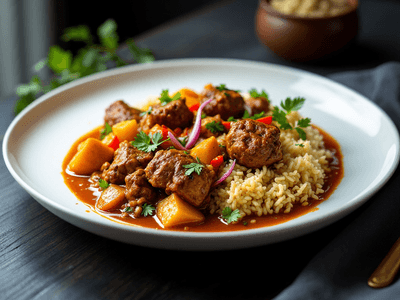
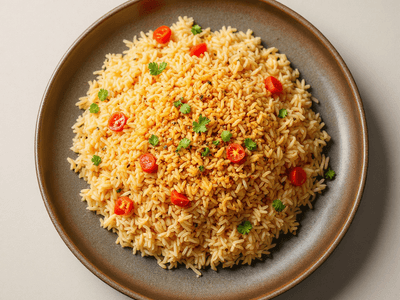
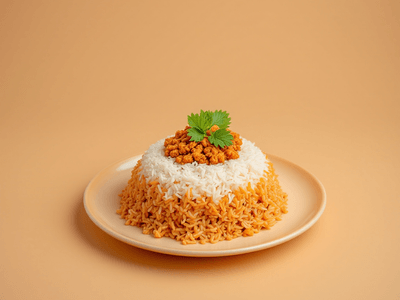
Nasi Kerabu with Fried Tempeh is a vibrant and wholesome Malaysian vegetarian dish, rooted in the culinary heritage of Kelantan on the east coast of Malaysia. Known for its signature blue rice, naturally dyed with bunga telang (butterfly pea flowers), Nasi Kerabu is a true feast for the senses. The dish is typically served with a medley of fresh ulam (local herbs and salad greens), crunchy vegetables, spicy sambal, and a choice of protein. In this health-conscious version, crispy fried tempeh replaces traditional meats, making it perfect for vegetarians and anyone seeking a lighter meal. This dish beautifully captures the essence of Malaysian multicultural cuisine, blending Malay, Chinese, and Indian influences through the use of local ingredients like lemongrass, serai, pandan, and santan (coconut milk). The combination of aromatic rice, savory tempeh, and zesty accompaniments creates a complex yet harmonious taste experience. Nasi Kerabu is not only popular at local markets and festive occasions but is also cherished as an everyday meal for its freshness, nutritional value, and satisfying flavors. Choosing this dish brings a taste of Malaysia’s rich food culture to your table, with a modern, health-forward twist.
Ingredients(for 1 plate (about 1 cup blue rice, 100g fried tempeh, assorted ulam and sambal))
- 1 cup Beras putih (white rice) (Can use brown rice for added fiber)
- 8-10 flowers Bunga telang (butterfly pea flowers) (For natural blue coloring)
- 200g Tempeh (Cut into bite-sized pieces)
- 1 stalk Serai (lemongrass) (Bruised)
- 3 leaves Daun limau purut (kaffir lime leaves) (Finely sliced)
- 1/2 Timun (cucumber) (Julienned)
- 1 cup Ulam (local herbs such as daun selom, daun pegaga) (Washed and chopped)
- 1/4 cup Santan (coconut milk) (Light coconut milk preferred for health) - optional
- 2 Chili padi (bird’s eye chili) (For sambal; adjust to taste)
- 2 Shallots (Thinly sliced)
- 1/2 tsp Turmeric powder (For tempeh coating)
- To taste Salt (For seasoning)
- 1 tbsp Cooking oil (For shallow frying)
- 1/2 Lime (Cut into wedges, for garnish) - optional
Instructions
- 1
Prepare the blue rice: Soak the bunga telang in hot water for 5 minutes until the water turns a deep blue. Strain and use this water to cook the rice with lemongrass and a pinch of salt.
15 minutes
For a deeper color, gently crush the flowers before soaking.
- 2
While the rice cooks, slice the tempeh into thin pieces. Toss with turmeric powder and a small pinch of salt.
3 minutes
Uniform slices ensure even frying and crispiness.
- 3
Heat 1 tbsp oil in a non-stick pan. Shallow-fry the tempeh until golden and crispy on both sides. Drain on kitchen paper.
7 minutes
Use minimal oil for a healthier fry; air-frying is a great alternative.
- 4
Prepare the ulam and vegetables: Wash and finely slice ulam, cucumber, and kaffir lime leaves. Arrange on a serving plate.
5 minutes
Use a mix of local herbs for authentic flavor and more nutrients.
Why This Dish is Healthy
This recipe is a healthy choice because it uses wholesome, minimally processed ingredients native to Malaysia. By using tempeh, a fermented soybean cake, you gain gut-friendly probiotics and high protein without saturated fats. The abundance of herbs and vegetables increases fiber and micronutrient intake, while shallow frying and light coconut milk keep calories in check. It's suitable for a wide range of diets, including vegetarian and vegan adaptations.
Nasi Kerabu with Fried Tempeh is packed with plant-based protein from tempeh, complex carbohydrates from rice, and a bounty of vitamins, minerals, and antioxidants from ulam and fresh vegetables. Butterfly pea flowers provide natural anthocyanins, which support overall health. The dish is fiber-rich, supports satiety, and contains healthy fats when using light santan and minimal oil. It offers a balanced macro profile ideal for active lifestyles and vegetarian diets.
Pro Tips
- 💡Tip 1: Use freshly picked butterfly pea flowers for the brightest blue rice.
- 💡Tip 2: Slice tempeh evenly to ensure uniform crispiness and texture.
- 💡Tip 3: Mix different types of ulam for more flavor, color, and nutrition.
Storage & Serving
Store components separately in airtight containers. Rice and tempeh can be refrigerated for up to 2 days; reheat gently before serving. Ulam and sambal are best consumed fresh.
Best served: Breakfast or Lunch
Nutrition Facts
| Nutrient | Per 100g |
|---|---|
| Energy | 510.0 kcal |
| Protein | 7.5 g |
| Carbohydrates | 22.0 g |
| Total Fat | 5.8 g |
| Fiber | 2.7 g |
| Sugars | 1.2 g |
| Iron | 1.6 mg |
| Calcium | 41.0 mg |
| Sodium | 320.0 mg |
| Potassium | 210.0 mg |
| Cholesterol | 0.0 mg |
| Vitamin A | 80.0 IU |
| Vitamin C | 5.0 mg |
| Magnesium | 35.0 mg |
| Zinc | 0.7 mg |
| Phosphorus | 90.0 mg |
| Vitamin D | 0.0 IU |
| Vitamin B1 (Thiamine) | 0.1 mg |
| Vitamin B2 (Riboflavin) | 0.1 mg |
| Vitamin B3 (Niacin) | 1.1 mg |
| Vitamin B6 | 0.1 mg |
| Vitamin B12 | 0.0 µg |
| Folate | 32.0 µg |