Malaysian Egg Curry
Malaysian • halal_safe
How to Make Malaysian Egg Curry (Traditional & Healthy Version)
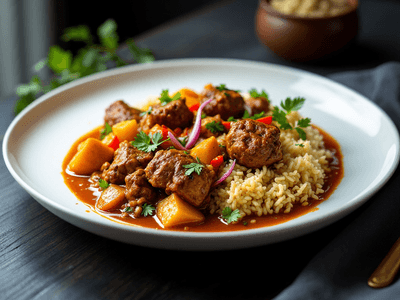
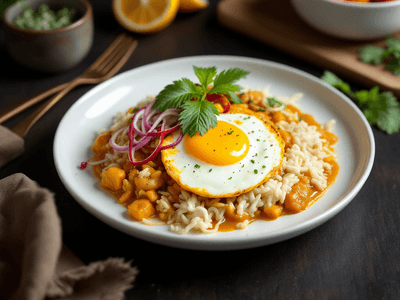
Malaysian Egg Curry, known locally as 'Kari Telur', is a beloved vegetarian snack found across homes and food stalls throughout Malaysia. This curry showcases the multicultural essence of Malaysian cuisine, blending aromatic spices, santan (coconut milk), and fresh local ingredients like lemongrass and curry leaves. It is celebrated for its rich, creamy texture and vibrant flavors, making it a go-to comfort dish for many. The base of the curry is simmered with hard-boiled eggs, soaking up a medley of spices such as turmeric, coriander, and cumin, all gently balanced with the sweetness of santan. Traditionally enjoyed with fluffy rice, roti canai, or even on its own as a quick snack, Malaysian Egg Curry is perfect for those seeking a wholesome, vegetarian option. The inclusion of local ingredients like pandan and lemongrass elevates the aroma and lends an authentic Malaysian touch, reflecting the harmony of Malay, Indian, and Chinese influences in the country’s culinary scene. Whether served during family gatherings or as a quick weekday meal, this dish is a testament to Malaysia’s rich food heritage and its emphasis on bold, comforting flavors.
Ingredients(for 1 medium bowl (with 2 eggs and curry))
- 4 Large eggs (hard-boiled)
- 1 medium Red onion (finely sliced)
- 2 Garlic cloves (minced)
- 1-inch piece Ginger (grated)
- 2 tablespoons Curry powder (Malaysian-style, not spicy)
- 3/4 cup Coconut milk (santan) (light santan preferred for lower calories)
- 1 small Tomato (diced)
- 1 stalk Lemongrass (serai) (bruised)
- 8-10 Curry leaves (fresh preferred)
- 1 Pandan leaf (tied into a knot) - optional
- 1/2 teaspoon Chili powder (adjust for heat) - optional
- 1 tablespoon Cooking oil (use canola or sunflower oil for health)
- to taste Salt
- 1/2 cup Water (as needed for curry consistency)
Instructions
- 1
Hard-boil the eggs, peel, and set aside. Prepare all other ingredients by slicing, mincing, and bruising as required.
5 minutes
Cool eggs in cold water after boiling for easy peeling.
- 2
Heat oil in a wok or deep pan over medium heat. Add onions, sauté until translucent. Stir in garlic, ginger, and lemongrass, frying until fragrant.
5 minutes
Keep heat moderate to prevent burning the aromatics.
- 3
Add curry powder and chili powder (if using). Stir continuously for 1 minute to bloom the spices.
1 minute
Mix spices with a splash of water to prevent sticking.
- 4
Add diced tomato, cooking until softened. Pour in water and bring to a gentle simmer.
3 minutes
Tomatoes add natural sweetness and depth to the curry base.
Why This Dish is Healthy
This dish is a healthy choice because it is high in protein, moderate in healthy fats, and low in refined carbohydrates. The use of natural, whole spices and fresh herbs enhances flavor without added sodium or sugar. Opting for light santan and minimal oil keeps calories in check, making it suitable for calorie-conscious eaters. Including fiber-rich ingredients like onions and tomatoes supports digestive health and keeps you fuller for longer.
Malaysian Egg Curry is packed with high-quality protein from eggs, beneficial for muscle repair and satiety. The use of light santan (coconut milk) provides healthy fats and lends creaminess without excess calories. Aromatic spices like turmeric and ginger offer anti-inflammatory and antioxidant properties, while curry leaves and lemongrass add micronutrients and digestive benefits. Using tomatoes and onions increases fiber, vitamins, and minerals, making this dish nutrient-dense and balanced.
Pro Tips
- 💡Tip 1: Score the boiled eggs lightly with a knife to help the curry flavors penetrate deeper.
- 💡Tip 2: Use fresh curry leaves and lemongrass for the most authentic aroma.
- 💡Tip 3: For a thicker curry, simmer longer with the lid off to allow the sauce to reduce.
Storage & Serving
Store leftover egg curry in an airtight container in the refrigerator for up to 2 days. Reheat gently on the stove, adding a splash of water or santan if needed to loosen the curry.
Best served: Breakfast or Lunch
Nutrition Facts
| Nutrient | Per 100g |
|---|---|
| Energy | 230.0 kcal |