Failed to transcribe. Please try again.
Global • halal_safe
How to Make Vegetable Poha (Traditional & Healthy Version)
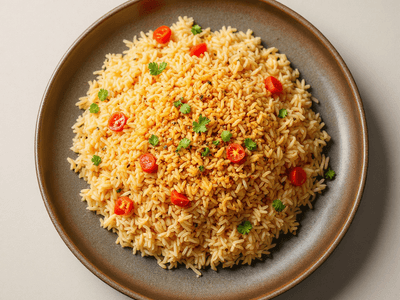
Vegetable Poha is a beloved Indian snack originating from Maharashtra, enjoyed across India and gaining global popularity for its simplicity and flavor. Made primarily from flattened rice (poha), fresh vegetables, and fragrant spices, this dish is a staple breakfast or light meal in countless Indian households. The magic of Poha lies in its balance of taste and nutrition—each bite delivers a comforting blend of textures, subtle heat from green chilies, and a hint of sweetness from sautéed onions. Traditionally, Poha is garnished with fresh coriander and a squeeze of lemon for brightness. Poha's versatility makes it a favorite among health-conscious eaters, vegetarians, and families seeking quick, wholesome options. Its origins in Maharashtra reflect the region's love for rice-based dishes, but its adaptability has made it a snack enjoyed in states like Madhya Pradesh, Gujarat, and Karnataka, each adding their own twist. Globally, Poha is recognized for being light, easy to digest, and naturally gluten-free when prepared without hing (asafoetida). Whether served hot on chilly mornings or as a satisfying evening snack, Vegetable Poha celebrates the flavors and nutritional wisdom of Indian cuisine.
Ingredients(for 1 bowl (about 150g))
- 1 cup Poha (flattened rice) (medium-thick variety)
- 1 small Onion (finely chopped)
- 1 small Carrot (diced)
- 1/4 cup Green peas (fresh or frozen)
- 1 Green chili (finely chopped)
- 1/2 tsp Mustard seeds
- 6-8 Curry leaves (fresh)
- 1/4 tsp Turmeric powder
- to taste Salt
- 1.5 tsp Oil (preferably peanut or sunflower)
- 2 tbsp Fresh coriander leaves (finely chopped) - optional
- 1 tsp Lemon juice (freshly squeezed) - optional
Instructions
- 1
Place poha in a sieve and rinse gently under running water. Let it sit for 5 minutes to soften, then fluff lightly with a fork.
5 minutes
Do not over-soak, or poha will become mushy.
- 2
Heat oil in a kadhai or tawa over medium flame. Add mustard seeds; when they splutter, add curry leaves and green chili.
3 minutes
Use fresh curry leaves for authentic flavor.
- 3
Add chopped onions and sauté until translucent. Stir in carrots and green peas; cook until vegetables are tender.
5 minutes
Cover to cook vegetables faster while retaining nutrients.
- 4
Sprinkle turmeric powder and salt. Mix well to coat vegetables evenly.
1 minute
Turmeric adds both color and health benefits.
Why This Dish is Healthy
This dish is a healthy choice because it uses minimal oil, is packed with vegetables, and provides a balanced mix of carbs, vitamins, and fiber. Poha is naturally gluten-free (if hing is omitted) and can be adapted for vegan diets. It’s quick to prepare, making it ideal for busy mornings. The low glycemic index ensures steady energy release—great for weight management and diabetes control.
Vegetable Poha is rich in complex carbohydrates, providing sustained energy without spiking blood sugar. The inclusion of vegetables boosts fiber, vitamins (like A and C from carrots and peas), and minerals. Poha is low in fat, cholesterol-free, and easily digestible, making it suitable for all age groups. Protein content can be enhanced by adding legumes or sprouts. Natural turmeric and fresh coriander contribute antioxidants and anti-inflammatory properties.
Pro Tips
- 💡Tip 1: Use medium-thick poha for best texture.
- 💡Tip 2: Rinse poha just until soft; avoid soaking.
- 💡Tip 3: Add lemon juice only after turning off the flame for fresh flavor.
- 💡Tip 4: Experiment with seasonal vegetables for variety.
Storage & Serving
Keeps for 6-8 hours at room temperature. Refrigerate for up to 2 days. Reheat gently before serving.
Best served: Breakfast or Lunch
Nutrition Facts
| Nutrient | Per 100g |
|---|---|
| Energy | 250.0 kcal |
| Protein | 5.0 g |
| Carbohydrates | 38.0 g |
| Total Fat | 15.0 g |
| Fiber | 3.0 g |
| Sugars | 2.5 g |
| Iron | 2.2 mg |
| Calcium | 35.0 mg |