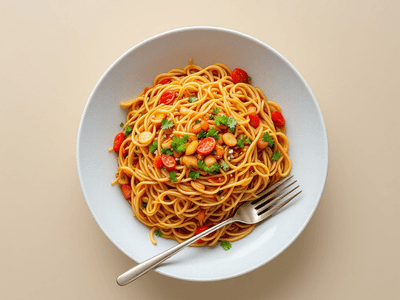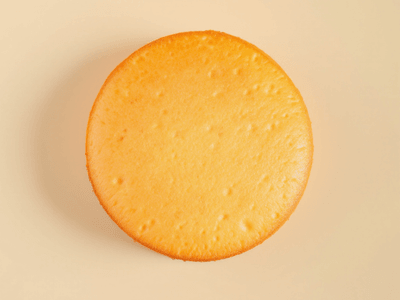
Test Cake
Global • Eggetarian
How to Make Test Cake (Traditional & Healthy Version)
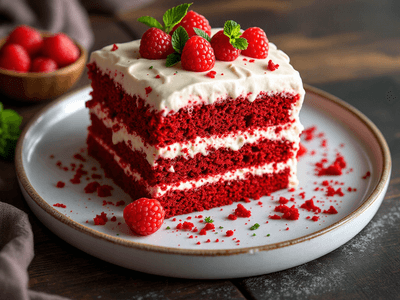
Test Cake is a delightful global snack with Indian roots, offering a fusion of flavors and textures that appeal to all ages. Traditionally, cakes in India are enjoyed during festivals, celebrations, and family gatherings, but this healthy Test Cake adapts the classic to suit regular snacking or breakfast. The recipe uses whole wheat flour (atta) instead of refined maida, making it a wholesome choice for those mindful of calories and nutrition. The mild sweetness combined with gentle spices like cardamom and cinnamon provides an authentic Indian taste profile, while the use of minimal natural sweeteners and healthy fats keeps it light yet satisfying. Cakes have grown in popularity across India, often customized with local ingredients such as jaggery, nuts, and spices. This Test Cake is versatile and simple to prepare, making it perfect for busy mornings or as a nutritious snack for children and adults alike. Whether you’re pairing it with chai or serving at a festive gathering, this healthy cake recipe ensures you enjoy the traditional taste without compromising on your health goals. Its soft crumb, subtle spice, and earthy sweetness make it a comforting treat that resonates with Indian culinary traditions while embracing global snack trends.
Ingredients(for 1 medium slice (approx. 80g))
- 1 cup Whole wheat flour (atta)
- 1/3 cup Jaggery powder (gud)
- 1/2 cup Low-fat yogurt (dahi)
- 1 tsp Baking powder
- 1/4 tsp Baking soda
- 1/2 tsp Cardamom powder (elaichi)
- 1/4 tsp Cinnamon powder (dalchini) - optional
- 1/4 cup Milk (low-fat)
- 2 tbsp Sunflower oil (or melted ghee)
- 2 tbsp Chopped walnuts (optional, for crunch) - optional
Instructions
- 1
Preheat your oven to 180°C (350°F). Grease a small cake tin lightly with oil or line with parchment paper.
5 minutes
Use olive oil spray for healthier greasing.
- 2
In a mixing bowl, combine whole wheat flour, baking powder, baking soda, cardamom powder, and cinnamon powder. Mix well.
3 minutes
Sift the dry ingredients for a lighter cake texture.
- 3
In another bowl, whisk together jaggery powder, yogurt, milk, and oil until smooth.
4 minutes
Ensure jaggery is fully dissolved for even sweetness.
- 4
Gradually add the wet mixture to the dry ingredients. Fold gently using a spatula until just combined. Do not overmix.
3 minutes
Overmixing can make the cake dense.
Why This Dish is Healthy
Using whole wheat flour and jaggery in place of refined ingredients makes this Test Cake a nutrient-rich snack. It contains less saturated fat, more dietary fiber, and essential vitamins. The absence of artificial sweeteners, preservatives, and excessive sugar makes it ideal for calorie-conscious eaters. Incorporating yogurt and nuts further boosts protein and micronutrient content, supporting overall wellness and weight management.
This Test Cake provides a balanced mix of complex carbohydrates from whole wheat flour and healthy fats from sunflower oil or ghee. The use of jaggery instead of refined sugar adds trace minerals like iron and potassium. Low-fat yogurt supplies protein and calcium, supporting muscle and bone health. Walnuts, if used, contribute omega-3 fatty acids and antioxidants. The spices, cardamom and cinnamon, have anti-inflammatory properties and aid digestion.
Pro Tips
- 💡Tip 1: Use fresh yogurt for better cake rise.
- 💡Tip 2: Sift flour and spices to avoid lumps.
- 💡Tip 3: Do not overbake; check with a toothpick for doneness.
- 💡Tip 4: Rest the cake before slicing for best texture.
Storage & Serving
Keeps for 6-8 hours at room temperature. Refrigerate for up to 2 days.
Best served: Breakfast or Lunch
Nutrition Facts
| Nutrient | Per 100g |
|---|---|
| Energy | 250.0 kcal |
| Protein | 5.0 g |
| Carbohydrates | 48.0 g |
| Total Fat | 10.0 g |
| Fiber | 1.2 g |
| Sugars | 24.0 g |
| Iron | 1.2 mg |
| Calcium | 55.0 mg |
| Sodium | 210.0 mg |
| Potassium | 90.0 mg |
| Cholesterol | 35.0 mg |
| Vitamin A | 80.0 IU |
| Vitamin C | 0.0 mg |
| Magnesium | 15.0 mg |
| Zinc | 0.4 mg |
| Phosphorus | 60.0 mg |
| Vitamin D | 0.4 IU |
| Vitamin B1 (Thiamine) | 0.1 mg |
| Vitamin B2 (Riboflavin) | 0.1 mg |
| Vitamin B3 (Niacin) | 0.5 mg |
| Vitamin B6 | 0.0 mg |
| Vitamin B12 | 0.1 µg |
| Folate | 16.0 µg |