Aloo Bhatura
Global • Eggetarian
How to Make Aloo Bhatura (Traditional & Healthy Version)
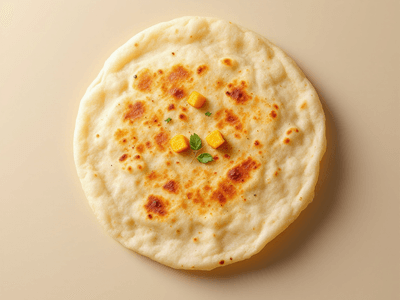
Aloo Bhatura is a beloved North Indian snack that brings together the satisfying flavors of spiced potato (aloo) and fluffy, golden bhatura bread. Originating from Punjab, this dish is a staple in Punjabi households and is often enjoyed with tangy chole (chickpea curry) during festive occasions and family gatherings. The combination of aloo filling and airy bhatura creates a delightful contrast of textures, making it a favorite not just in North India but across the country. The dish is especially popular during festivals like Holi and Lohri, where families indulge in rich, flavorful foods to celebrate togetherness. Traditional Bhatura is deep-fried and made from maida (refined flour), but this healthy adaptation uses atta (whole wheat flour) and minimal oil, making it lighter yet authentic in taste. Aloo Bhatura is known for its comforting, savory flavors and is commonly eaten for breakfast or lunch. Its versatility allows for various regional twists, such as adding kasuri methi (dried fenugreek leaves) or incorporating local spices. Whether served at a bustling roadside dhaba or prepared at home, Aloo Bhatura represents the warmth and vibrancy of North Indian cuisine.
Ingredients(for 2 medium aloo bhatura per person)
- 2 cups Atta (whole wheat flour) (for bhatura dough)
- 2 medium Boiled potato (aloo) (peeled and mashed)
- 1/4 cup Low-fat curd (dahi) (for soft dough)
- 1 tsp Salt (as per taste)
- 1/2 tsp Ajwain (carom seeds) (digestive and flavor)
- 1 Green chilli (finely chopped)
- 2 tbsp Coriander leaves (finely chopped)
- 1/2 tsp Red chilli powder (for aloo filling)
- 1/2 tsp Amchur (dry mango powder) (for tangy flavor)
- 2 tbsp Oil (for shallow frying)
Instructions
- 1
Prepare the dough: In a large bowl, mix atta, salt, ajwain, and curd. Add water gradually and knead into a soft, pliable dough. Cover and let it rest for 10 minutes.
10 minutes
Resting the dough makes bhatura softer.
- 2
Prepare the aloo filling: Mash boiled potatoes and mix with green chilli, coriander leaves, red chilli powder, amchur, and a pinch of salt.
5 minutes
Ensure potatoes are fully cooled before mashing for a smooth filling.
- 3
Divide the dough into equal portions. Roll each portion into a small disc, place a spoonful of aloo mixture in the center, and seal the edges.
2 minutes
Seal properly to avoid filling leakage while rolling.
- 4
Gently roll the filled dough ball into a thick bhatura using a rolling pin, dusting lightly with atta if required.
2 minutes
Roll gently to maintain even thickness and prevent tearing.
Why This Dish is Healthy
Choosing whole wheat flour over refined maida ensures a lower glycemic index and higher fiber, supporting digestion and sustained energy. Shallow frying instead of deep frying cuts down on unnecessary calories and fat. The inclusion of curd helps with protein intake and gut health. This version is lighter, making it suitable for weight watchers and those seeking a nutritious, authentic Indian snack without compromising flavor.
This healthy Aloo Bhatura recipe uses atta instead of maida, boosting dietary fiber and complex carbohydrates. Potatoes offer vitamin C, potassium, and B6, supporting energy and nerve function. Green chillies and coriander add antioxidants, while curd provides gut-friendly probiotics and protein. Using minimal oil for shallow frying reduces fat content, making it lighter. Each serving offers balanced macros with moderate carbs, some protein, and low saturated fat, making it suitable for most diets.
Pro Tips
- 💡Tip 1: Use fresh atta and curd for the softest bhatura.
- 💡Tip 2: Rest dough adequately for better texture.
- 💡Tip 3: Shallow fry on medium heat to prevent excess oil absorption and ensure crisp edges.
Storage & Serving
Aloo Bhatura is best enjoyed fresh. If storing, keep bhatura in an airtight container for up to 24 hours. Reheat on a tawa to restore softness. Potato filling can be refrigerated separately for up to 2 days.
Best served: Breakfast or Lunch
Nutrition Facts
| Nutrient | Per 100g |
|---|---|
| Energy | 270.0 kcal |
| Protein | 5.1 g |
| Carbohydrates | 38.5 g |
| Total Fat | 9.8 g |
| Fiber | 2.7 g |
| Sugars | 1.6 g |
| Iron | 2.1 mg |
| Calcium | 36.0 mg |
| Sodium | 320.0 mg |
| Potassium | 170.0 mg |
| Cholesterol | 0.0 mg |
| Vitamin A | 10.0 IU |
| Vitamin C | 7.0 mg |
| Magnesium | 22.0 mg |
| Zinc | 0.5 mg |
| Phosphorus | 75.0 mg |
| Vitamin D | 0.0 IU |
| Vitamin B1 (Thiamine) | 0.1 mg |
| Vitamin B2 (Riboflavin) | 0.1 mg |
| Vitamin B3 (Niacin) | 1.1 mg |
| Vitamin B6 | 0.1 mg |
| Vitamin B12 | 0.0 µg |
| Folate | 30.0 µg |