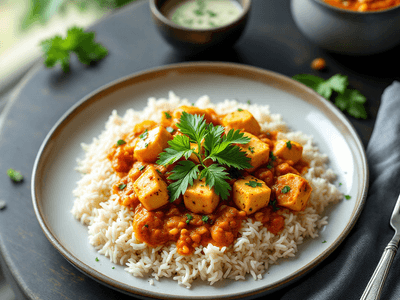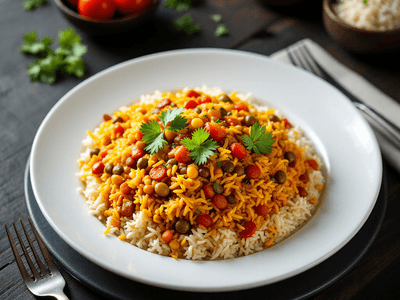
Rice with Lentils (Dal)
North Indian • All Foods
How to Make North Indian Dal Chawal (Traditional & Healthy Version)
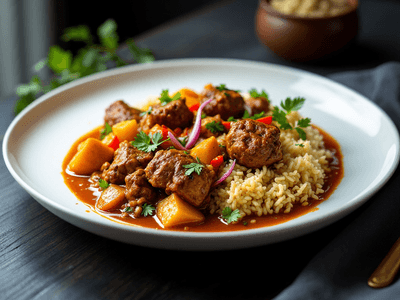
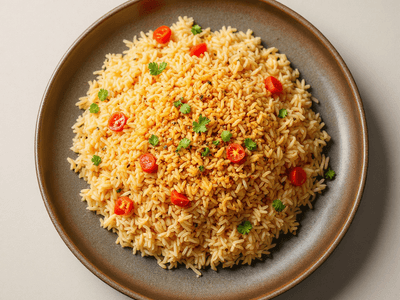
Dal Chawal, or Rice with Lentils, is a beloved comfort snack from North India, enjoyed across states like Punjab, Haryana, and Uttar Pradesh. This classic dish pairs fluffy steamed rice (chawal) with a flavorful lentil curry (dal), often made with split yellow moong dal or toor dal, and seasoned with a gentle tempering of cumin, ginger, and turmeric. The mild, homely taste, combined with a soft texture, makes it a staple in North Indian homes, perfect for all ages. Dal Chawal holds a special place in Indian culture as a nourishing and satisfying meal. It is commonly served as a light snack or a wholesome lunch, reflecting the region’s agricultural abundance and love for hearty grains and pulses. Beyond its taste, this dish is revered for its simplicity, versatility, and the warmth it brings to family gatherings. Whether you’re craving a light yet filling snack or a protein-rich vegetarian meal, this healthy North Indian Dal Chawal is an ideal choice.
Ingredients(for 1 medium bowl steamed rice + 1 katori dal (approx. 180g each))
- 1/2 cup Basmati rice (long grain, rinsed)
- 1/2 cup Yellow moong dal (washed and soaked 20 min)
- 1/4 tsp Turmeric powder (haldi)
- 1/2 tsp Cumin seeds (jeera)
- 1/2 inch Ginger (finely chopped)
- 1 Green chili (slit, optional for mild heat) - optional
- 1 small Tomato (finely chopped)
- to taste Salt
- 1 tsp Ghee or oil (preferably ghee for flavor)
- 1 tbsp Fresh coriander leaves (chopped, for garnish) - optional
- 3 cups Water (for boiling rice and dal)
Instructions
- 1
Wash and soak moong dal for 20 minutes. Meanwhile, rinse basmati rice until water runs clear.
5 minutes
Soaking dal helps it cook faster and improves digestibility.
- 2
In a saucepan, add rice with 1.5 cups water and a pinch of salt. Cook covered on low heat until rice is tender and fluffy (about 10-12 minutes). Set aside.
12 minutes
Use a heavy-bottomed pan to prevent rice from sticking.
- 3
Drain soaked dal. In a pressure cooker or pot, add dal, 1.5 cups water, turmeric, and salt. Cook for 2 whistles (or 15 minutes simmering) until dal is soft.
15 minutes
For a creamier dal, mash slightly after cooking.
- 4
Heat ghee or oil in a small pan (tadka pan). Add cumin seeds, let them splutter. Add ginger and optional green chili, sauté for 30 seconds. Add chopped tomato, cook until soft.
3 minutes
For richer flavor, do not burn the spices.
Why This Dish is Healthy
This North Indian Dal Chawal recipe is a balanced, low-fat, and vegetarian snack. It’s high in plant-based protein and fiber, helping you feel full longer and support muscle repair. Using minimal ghee and fresh ingredients keeps calories in check without compromising authentic flavor. This dish is easy to digest, contains no processed foods, and is adaptable for various dietary needs, making it a smart choice for a healthy Indian snack.
Dal Chawal is a powerhouse of plant-based protein and complex carbohydrates. Moong dal is rich in protein, dietary fiber, B-vitamins (especially folate), iron, and magnesium. Basmati rice provides energy-sustaining carbs and is lower in glycemic index compared to regular white rice. The minimal use of ghee and inclusion of turmeric, ginger, and cumin add anti-inflammatory and digestive benefits, making this dish both nourishing and light on the stomach.
Pro Tips
- 💡Tip 1: Soak dal for 20-30 minutes to enhance texture and reduce cooking time
- 💡Tip 2: For extra flavor, add a pinch of asafoetida (hing) to the tempering
- 💡Tip 3: Always serve dal chawal hot for best taste and aroma
Storage & Serving
Keeps for 6-8 hours at room temperature. Refrigerate for up to 2 days.
Best served: Breakfast or Lunch
Nutrition Facts
| Nutrient | Per 100g |
|---|---|
| Energy | 250.0 kcal |
| Protein | 5.2 g |
| Carbohydrates | 23.5 g |
| Total Fat | 1.2 g |
| Fiber | 2.6 g |
| Sugars | 0.5 g |
| Iron | 1.1 mg |
| Calcium | 19.0 mg |
| Sodium | 120.0 mg |
| Potassium | 110.0 mg |
| Cholesterol | 0.0 mg |
| Vitamin A | 18.0 IU |
| Vitamin C | 1.2 mg |
| Magnesium | 22.0 mg |
| Zinc | 0.6 mg |
| Phosphorus | 65.0 mg |
| Vitamin D | 0.0 IU |
| Vitamin B1 (Thiamine) | 0.1 mg |
| Vitamin B2 (Riboflavin) | 0.0 mg |
| Vitamin B3 (Niacin) | 0.7 mg |
| Vitamin B6 | 0.1 mg |
| Vitamin B12 | 0.0 µg |
| Folate | 28.0 µg |