Plain Naan
North Indian • All Foods
How to Make Plain Naan (Traditional & Healthy Version)
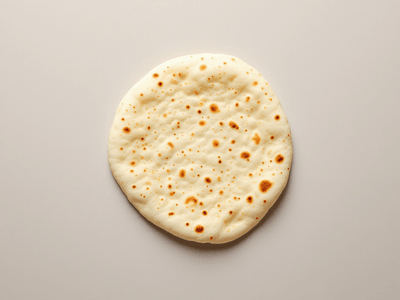
Plain Naan is a beloved North Indian flatbread, traditionally baked in a tandoor oven and served alongside curries, dals, and sabzis. Unlike the more elaborate stuffed naans, plain naan showcases the classic combination of soft, chewy texture with a lightly crisp exterior. Its origins trace back to the Mughal era, where naan became a staple in royal kitchens and evolved into a popular street snack and restaurant favorite across Punjab and neighboring regions. Today, naan is enjoyed in homes and eateries throughout India, often as a centerpiece of festive and everyday meals. The taste of plain naan is mild and comforting, making it the perfect canvas for savoring rich gravies or spicy pickles. This healthy version uses whole wheat flour (atta) and minimal oil, making it more nutritious and lower in calories than the traditional refined flour recipe. Making naan at home is simple, rewarding, and allows control over ingredients for a health-conscious approach. Whether eaten fresh off the tawa or reheated, plain naan is a delightful snack, lunch, or dinner choice that brings authentic North Indian flavors to your plate. Ideal for vegetarians and those seeking wholesome Indian recipes, this plain naan is soft, airy, and easy to prepare. Its versatility and regional significance make it a great addition to any meal, especially when paired with dal or vegetable curries. Enjoy the essence of North Indian cuisine with this nutritious, easy-to-make plain naan recipe.
Ingredients(for 1 naan + 1 katori dal)
- 1 cup Whole wheat flour (atta)
- 2 tablespoons Plain yogurt (dahi)
- 1/3 cup Warm water (for kneading)
- 1/2 teaspoon Baking powder (for leavening)
- 1/2 teaspoon Salt (to taste)
- 1/2 teaspoon Sugar (optional, helps browning) - optional
- 1 tablespoon Olive oil (for dough & brushing)
- 2 tablespoons Milk (for softness, can use plant milk) - optional
- 1 teaspoon Ghee (for brushing, optional) - optional
- 1 teaspoon Nigella seeds (kalonji, optional topping) - optional
Instructions
- 1
In a large mixing bowl, combine whole wheat flour (atta), baking powder, salt, and sugar. Mix well to distribute the leavening and seasoning evenly.
3 minutes
Use a whisk for even mixing.
- 2
Add yogurt (dahi), milk, and olive oil to the dry ingredients. Gradually add warm water and knead into a soft, smooth dough. The dough should be slightly sticky but manageable.
5 minutes
Add water slowly to avoid a runny dough.
- 3
Cover the dough with a damp cloth and let it rest for 15 minutes. This allows gluten to develop and makes the naan soft and fluffy.
15 minutes
Resting is key for texture—don't skip this step.
- 4
Divide the rested dough into 2 equal portions. Roll each portion into a ball and use a rolling pin to flatten into an oval or teardrop shape about 1/4 inch thick.
4 minutes
Dust with atta to prevent sticking.
Why This Dish is Healthy
Opting for whole wheat flour and minimal oil makes this plain naan lower in calories and higher in fiber, promoting better digestion and satiety. It’s a great choice for weight management, vegetarians, and anyone seeking a wholesome Indian snack. The use of yogurt adds protein and calcium, making the naan more balanced. By avoiding excess ghee and using olive oil, you reduce saturated fat without compromising taste.
This healthy plain naan recipe uses whole wheat flour, which provides complex carbohydrates, dietary fiber, and protein, making it a nutritious alternative to refined flour versions. Whole wheat is rich in B vitamins, magnesium, and iron, supporting energy metabolism and heart health. The yogurt adds calcium and probiotics for digestive wellness, while olive oil supplies healthy fats. This version is lower in saturated fat and calories, making it suitable for balanced diets and those tracking macros.
Pro Tips
- 💡Tip 1: Always rest the dough for soft naan.
- 💡Tip 2: Use a hot tawa for best results.
- 💡Tip 3: Brush naan immediately after cooking for maximum softness.
- 💡Tip 4: For vegan adaptation, replace yogurt and milk with plant-based alternatives.
- 💡Tip 5: Sprinkle kalonji seeds for authentic flavor.
Storage & Serving
Keeps for 6-8 hours at room temperature. Refrigerate for up to 2 days.
Best served: Breakfast or Lunch
Nutrition Facts
| Nutrient | Per 100g |
|---|---|
| Energy | 260.0 kcal |
| Protein | 8.7 g |
| Carbohydrates | 54.0 g |
| Total Fat | 6.2 g |
| Fiber | 2.4 g |
| Sugars | 2.1 g |
| Sodium | 420.0 mg |
| Potassium | 120.0 mg |
| Cholesterol | 13.0 mg |
| Vitamin A | 25.0 IU |
| Vitamin C | 0.0 mg |
| Calcium | 90.0 mg |
| Iron | 3.0 mg |
| Magnesium | 22.0 mg |
| Zinc | 0.7 mg |
| Phosphorus | 110.0 mg |
| Vitamin D | 0.1 IU |
| Vitamin B1 (Thiamine) | 0.2 mg |
| Vitamin B2 (Riboflavin) | 0.1 mg |
| Vitamin B3 (Niacin) | 2.1 mg |
| Vitamin B6 | 0.1 mg |
| Vitamin B12 | 0.1 µg |
| Folate | 30.0 µg |