Dal Makhani
North Indian • All Foods
How to Make Dal Makhani (Traditional & Healthy Version)
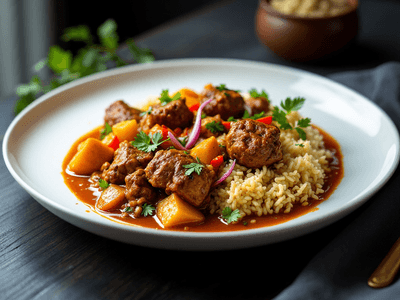
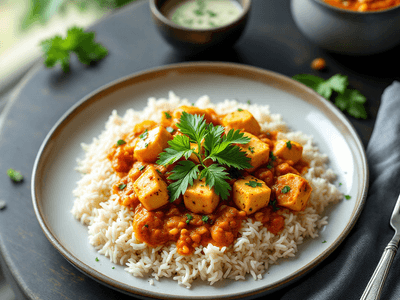
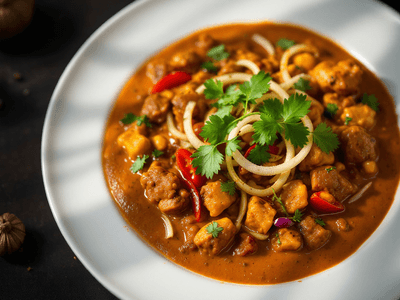
Dal Makhani is a beloved North Indian dish, originating from the lush fields and vibrant kitchens of Punjab. Renowned for its rich, creamy texture and soulful flavors, Dal Makhani is an iconic lentil recipe that combines whole black urad dal (sabut urad) and rajma (kidney beans) simmered in a lightly spiced tomato-based gravy. Traditionally slow-cooked for hours, this healthy adaptation retains all the authentic taste while being mindful of calories, making it ideal for health-conscious foodies and anyone tracking macros. Dal Makhani is often enjoyed during special occasions, family gatherings, and festive celebrations like Diwali, but its comforting flavors make it a popular everyday snack or meal across Indian households. The dish embodies the essence of Punjabi hospitality—hearty, flavorful, and deeply satisfying. With its earthy undertones, subtle spices, and creamy finish, Dal Makhani pairs perfectly with whole wheat chapathi, brown rice, or multigrain roti, offering a wholesome vegetarian option that nourishes both body and soul.
Ingredients(for 1 katori dal makhani + 1 whole wheat chapathi)
- 1/2 cup Whole black urad dal (sabut urad) (soaked overnight)
- 2 tbsp Rajma (kidney beans) (soaked overnight)
- 2 medium Tomato (pureed)
- 1 small Onion (finely chopped)
- 1 tsp Ginger-garlic paste
- 1/4 cup Low-fat milk (or almond milk for vegan) - optional
- 1 tsp Ghee (or olive oil for vegan) - optional
- 1/2 tsp Red chilli powder
- 1/4 tsp Turmeric powder
- 1/2 tsp Garam masala
- 1/2 tsp Kasuri methi (dried fenugreek leaves)
- to taste Salt
- 1 tbsp Fresh coriander leaves (chopped, for garnish)
Instructions
- 1
Drain soaked urad dal and rajma. Pressure cook with 2 cups water, salt, and turmeric until soft (about 4 whistles).
10 minutes
Soaking overnight ensures creamy texture and faster cooking.
- 2
Heat ghee (or olive oil) in a kadhai. Sauté onions until golden, then add ginger-garlic paste and cook till raw aroma disappears.
3 minutes
Use minimal oil for a lighter dal makhani.
- 3
Add tomato puree, red chilli powder, and garam masala. Cook till the oil separates and masala thickens.
4 minutes
Cooking tomatoes well enhances flavor and removes acidity.
- 4
Add cooked dal and rajma. Mix well. Pour in low-fat milk (or almond milk) and simmer for 5-7 minutes, stirring occasionally.
7 minutes
Simmering allows flavors to meld and ensure a creamy consistency without excess fat.
Why This Dish is Healthy
This healthy Dal Makhani recipe is lower in calories and fat compared to traditional versions, thanks to limited ghee and the use of low-fat dairy. Lentils and beans deliver high protein and fiber, aiding satiety and weight management. The dish is naturally gluten-free (unless served with chapathi) and can be made vegan. It's perfect for calorie-conscious individuals seeking authentic Indian flavors without compromising health.
Dal Makhani is packed with plant-based protein from urad dal and rajma, making it an excellent choice for vegetarians. It offers complex carbohydrates, dietary fiber, iron, folate, and essential minerals. Using low-fat milk and minimal ghee reduces saturated fat content, while tomatoes and onions provide antioxidants and vitamins. This dish supports heart health, digestive function, and sustained energy release, making it suitable for balanced diets.
Pro Tips
- 💡Tip 1: Soak dal and rajma overnight for the best creamy texture.
- 💡Tip 2: Use kasuri methi for authentic aroma.
- 💡Tip 3: Simmer dal on low heat to allow flavors to develop.
- 💡Tip 4: Replace ghee with olive oil for vegan adaptation.
- 💡Tip 5: For richer flavor, mash some dal while simmering.
Storage & Serving
Keeps for 6-8 hours at room temperature. Refrigerate for up to 2 days.
Best served: Breakfast or Lunch
Nutrition Facts
| Nutrient | Per 100g |
|---|---|
| Energy | 350.0 kcal |
| Protein | 5.2 g |
| Carbohydrates | 16.8 g |
| Total Fat | 6.5 g |
| Fiber | 4.3 g |
| Sugars | 1.2 g |
| Iron | 2.1 mg |
| Calcium | 56.0 mg |
| Sodium | 340.0 mg |
| Potassium | 290.0 mg |
| Cholesterol | 14.0 mg |
| Vitamin A | 120.0 IU |
| Vitamin C | 2.5 mg |
| Magnesium | 38.0 mg |
| Zinc | 0.8 mg |
| Phosphorus | 110.0 mg |
| Vitamin D | 0.2 IU |
| Vitamin B1 (Thiamine) | 0.1 mg |
| Vitamin B2 (Riboflavin) | 0.1 mg |
| Vitamin B3 (Niacin) | 0.6 mg |
| Vitamin B6 | 0.1 mg |
| Vitamin B12 | 0.1 µg |
| Folate | 45.0 µg |