Vegetarian Nasi Dagang
Malaysian • All Foods
How to Make Vegetarian Nasi Dagang (Traditional & Healthy Version)
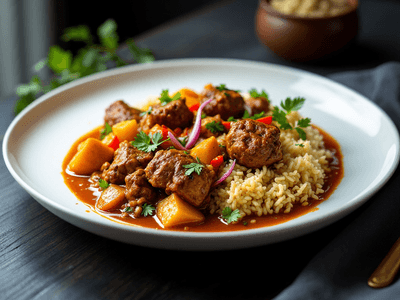
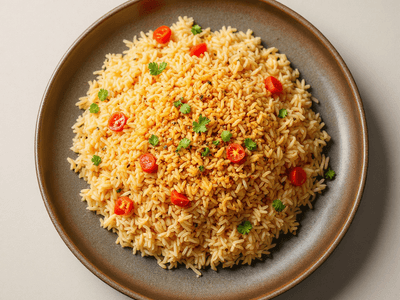
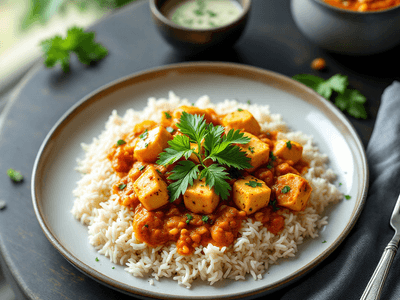
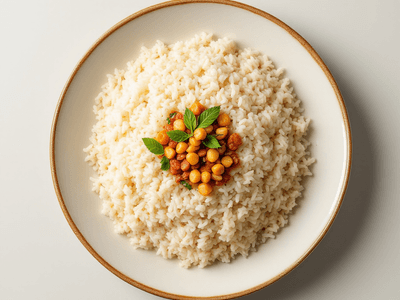
Vegetarian Nasi Dagang is a beloved Malaysian dish hailing from the east coast, especially Terengganu and Kelantan. Traditionally enjoyed for breakfast or festive occasions, Nasi Dagang features fragrant rice steamed with santan (coconut milk), pandan leaves, and fenugreek seeds, served alongside hearty vegetable curry. This vegetarian adaptation preserves all the authentic flavors of Malaysia’s multicultural cuisine, using local ingredients such as lemongrass, daun pandan, and fresh vegetables. The rice is gently infused with santan and aromatics, creating a rich yet light taste that pairs beautifully with the robust, spicy curry. Choosing Vegetarian Nasi Dagang is a wonderful way to experience the harmony of Malaysian flavors while keeping the meal plant-based and health-conscious. The dish showcases the best of local produce, offering a wholesome balance of complex carbohydrates, plant protein, and healthy fats. Its taste is deeply satisfying, with coconut-infused rice and the subtle heat and aroma of spices, making it a great choice for those seeking authentic and nutritious Malaysian food. Whether you’re enjoying it at home or during special gatherings, this recipe brings the heart of Malaysian culture to your table.
Ingredients(for 1 medium plate with rice and vegetable curry (about 250g rice, 150g curry))
- 1 cup Beras Dagang (mixed red and white rice) (can substitute with brown rice)
- 1/2 cup Santan (light coconut milk) (low-fat recommended)
- 2 leaves Daun pandan (pandan leaves) (tied into knots)
- 1/2 teaspoon Biji halba (fenugreek seeds)
- 1/2 teaspoon Garam (salt)
- 1 tablespoon Minyak kelapa (coconut oil) (for healthier sautéing)
- 1 medium Bawang besar (onion) (finely chopped)
- 1 stalk Serai (lemongrass) (bruised)
- 80g Labu (pumpkin) (cubed)
- 80g Kacang panjang (long beans) (sliced)
- 1 small Lobak merah (carrot) (sliced)
- 1 tablespoon Serbuk kari (vegetarian curry powder) (Malaysian blend)
- 1 cup Air (water)
Instructions
- 1
Rinse Beras Dagang thoroughly under running water until clear. Soak for 30 minutes, then drain.
5 minutes
Soaking helps rice cook evenly and improves texture.
- 2
In a steamer or rice cooker, add rice, santan, pandan leaves, fenugreek seeds, and salt. Pour in just enough water to cook. Steam until fluffy and aromatic.
15 minutes
Tie pandan leaves for easy removal and maximum fragrance.
- 3
While rice cooks, heat coconut oil in a non-stick pan. Sauté onions and lemongrass until fragrant and golden.
3 minutes
Gentle heat preserves nutrients and flavor.
- 4
Add pumpkin, carrot, and long beans. Stir-fry for 2-3 minutes.
3 minutes
Cut vegetables evenly for uniform cooking.
Why This Dish is Healthy
This version of Nasi Dagang is a healthy choice because it uses lower-fat santan, nutrient-dense vegetables, and whole grains. It’s vegetarian, reducing saturated fat and cholesterol. The inclusion of local herbs and spices boosts flavor without excess sodium or oil. The dish supports a balanced diet, making it ideal for weight management, diabetes-friendly meals, and clean eating lifestyles.
Vegetarian Nasi Dagang is packed with dietary fiber from brown or Beras Dagang rice and a medley of vegetables. The use of light santan and coconut oil provides healthy fats that support heart health, while pumpkin and long beans supply vitamins A, C, and potassium. Fenugreek seeds add antioxidants and aid digestion. The dish is low in cholesterol, rich in plant-based protein, and provides complex carbohydrates for sustained energy. Including Malaysian curry spices enhances anti-inflammatory benefits and metabolic health.
Pro Tips
- 💡Tip 1: Use freshly made santan for the richest flavor.
- 💡Tip 2: Soak rice for optimal texture and aroma.
- 💡Tip 3: Add a splash of lime juice to curry for brightness.
Storage & Serving
Store leftovers in airtight containers in the refrigerator for up to 2 days. Reheat rice and curry separately for best texture. Avoid freezing as coconut milk may separate.
Best served: Breakfast or Lunch
Nutrition Facts
| Nutrient | Per 100g |
|---|---|
| Energy | 480.0 kcal |
| Protein | 5.2 g |
| Carbohydrates | 28.0 g |
| Total Fat | 4.5 g |
| Fiber | 2.6 g |
| Sugars | 1.2 g |
| Iron | 1.4 mg |
| Calcium | 22.0 mg |
| Sodium | 270.0 mg |
| Potassium | 120.0 mg |
| Cholesterol | 0.0 mg |
| Vitamin A | 35.0 IU |
| Vitamin C | 3.0 mg |
| Magnesium | 28.0 mg |
| Zinc | 0.7 mg |
| Phosphorus | 75.0 mg |
| Vitamin D | 0.0 IU |
| Vitamin B1 (Thiamine) | 0.1 mg |
| Vitamin B2 (Riboflavin) | 0.0 mg |
| Vitamin B3 (Niacin) | 1.3 mg |
| Vitamin B6 | 0.1 mg |
| Vitamin B12 | 0.0 µg |
| Folate | 22.0 µg |