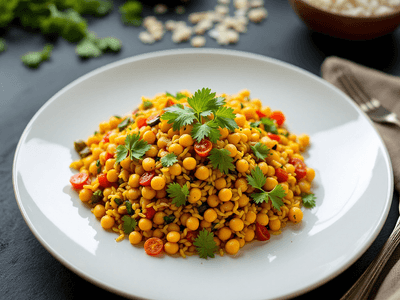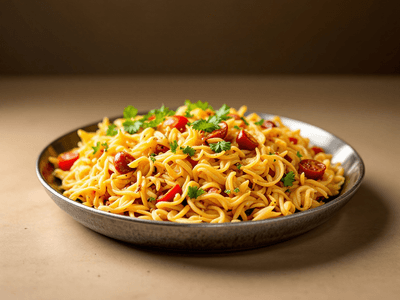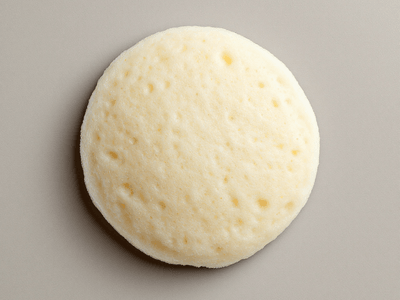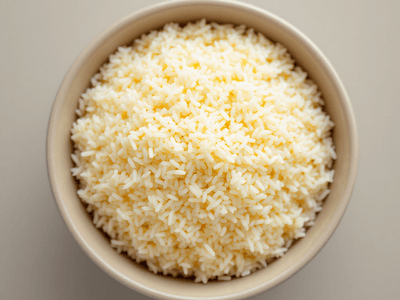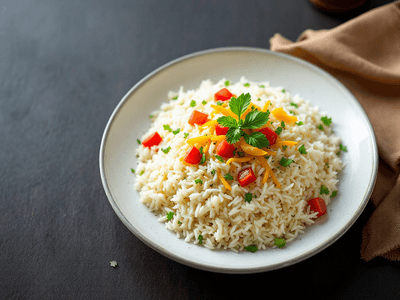
Curd Rice (Thursday Vrat)
South Indian • Vegetarian
How to Make Curd Rice for Thursday Vrat (Traditional & Healthy Version)
Curd Rice, known locally as 'Thayir Sadam', is a staple comfort dish from South India, especially Tamil Nadu. This creamy, cooling preparation combines soft-cooked rice with thick yogurt and a gentle tempering of spices, making it a favorite across ages and occasions. Traditionally, Curd Rice is enjoyed as part of daily meals, but it holds special importance during vrat (fasting) days, particularly Thursdays dedicated to Guru or Brihaspati. Its soothing texture and mild flavors provide a sense of satiety and calm, essential during fasting. The dish is revered for its digestive benefits, often served at the end of meals to settle the stomach and aid in digestion. It's lightweight yet filling, making it an ideal choice for vrat plates, and is often paired with simple sides like roasted papad or pickle. Rooted deeply in South Indian traditions, Curd Rice is also a symbol of hospitality, offered to guests and at temple feasts. The balance of rice and probiotic-rich curd makes it a wholesome addition to any vegetarian diet, particularly on auspicious days like Thursday vrat.
Ingredients(for 1 katori curd rice + 1 small bowl sabzi)
- 1/2 cup Rice (preferably short-grain or sona masoori)
- 1 cup Curd (Dahi) (fresh, homemade yogurt)
- 1/4 cup Milk (optional, for creamier texture) - optional
- to taste Salt
- 1/2 tsp Ginger (finely chopped) - optional
- 1 Green chili (finely chopped) - optional
- 6-8 Curry leaves (fresh)
- 1/2 tsp Mustard seeds
- 1/2 tsp Urad dal (split black gram) - optional
- a pinch Asafoetida (Hing) - optional
- 2 tbsp Grated carrot (for garnish) - optional
- 2 tbsp Pomegranate seeds (for garnish) - optional
Instructions
- 1
Wash and cook the rice with 1.5 cups water until very soft. Let it cool slightly.
15 minutes
Overcooked, mushy rice gives the best creamy texture.
- 2
Mash the rice lightly while still warm. Add milk to adjust consistency if desired.
2 minutes
Milk makes the curd rice extra smooth and prevents sourness.
- 3
Mix in fresh curd and salt. Combine well until the rice is creamy and uniform.
2 minutes
Use freshly set dahi for mild flavor and maximum probiotics.
- 4
Heat a tadka pan and temper mustard seeds, urad dal, chopped ginger, green chili, and curry leaves. Add a pinch of hing.
3 minutes
Keep tempering ingredients on medium flame for aroma without burning.
Why This Dish is Healthy
This Curd Rice recipe is a healthy choice for vrat plates as it is light, easily digestible, and nourishing. The probiotics in curd boost immunity and gut flora, while the tempering provides essential micronutrients. The dish keeps you full without being heavy, making it ideal for fasting days. Using minimal oil and added vegetables further enhances its nutritional profile, aligning with weight loss and diabetic-friendly eating patterns.
Curd Rice is rich in probiotics from yogurt, supporting gut health and digestion. The dish offers a balance of carbohydrates from rice and protein from curd, along with vitamins A and C from carrots and pomegranate used in garnish. Curry leaves add antioxidants, and tempering spices like mustard seeds bring healthy fats and phytonutrients. The dish is naturally gluten-free (if urad dal is used without hing containing wheat), low in fat, and can be made lighter by skipping milk or using low-fat curd.
Pro Tips
- 💡Tip 1: Use freshly set curd for best flavor and probiotic content.
- 💡Tip 2: Mash rice while warm for a smooth, creamy texture.
- 💡Tip 3: Chill curd rice before serving for a refreshing vrat meal.
- 💡Tip 4: Add grated cucumber for extra hydration during summer fasts.
- 💡Tip 5: Tempering must be aromatic but not burnt for authentic taste.
Storage & Serving
Keeps for 6-8 hours at room temperature. Refrigerate for up to 2 days. Best consumed fresh for optimal probiotic benefit.
Best served: Breakfast or Lunch
Nutrition Facts
| Nutrient | Per 100g |
|---|---|
| Energy | 120.0 kcal |
| Protein | 3.0 g |
| Carbohydrates | 20.0 g |
| Total Fat | 3.0 g |