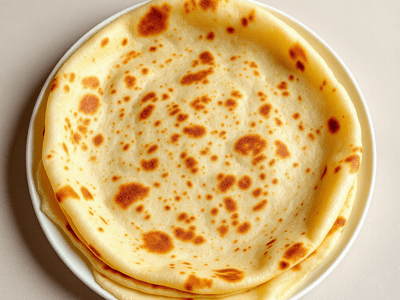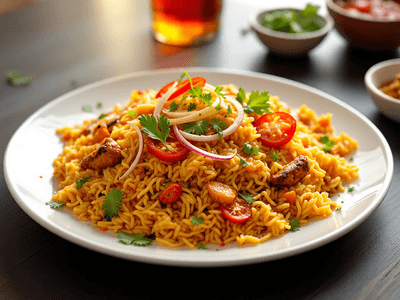
Nasi Kandar
Global • non_veg
About Nasi Kandar
Rice served with various curries and side dishes
How to Make Nasi Kandar (Traditional & Healthy Version)
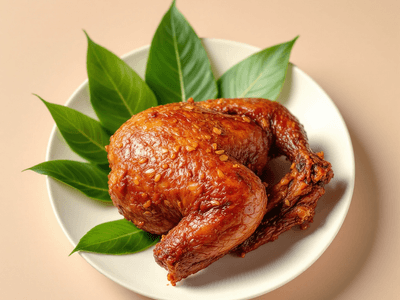
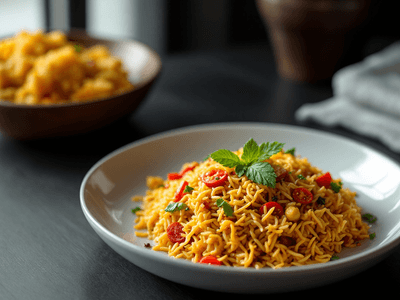
Nasi Kandar is one of Malaysia’s most cherished dishes, originating from the bustling streets of Penang. This iconic meal beautifully represents Malaysia's multicultural cuisine, blending Indian Muslim spices with Malay cooking traditions. Featuring fragrant white rice served with an array of curries and side dishes, Nasi Kandar is both comforting and deeply flavorful. The name ‘Nasi Kandar’ comes from the days when vendors would carry containers of rice and curries balanced on a kandar (shoulder pole), sharing this hearty meal with locals and travelers alike. A typical Nasi Kandar consists of steamed rice (sometimes infused with pandan for aroma), accompanied by lean protein like grilled ayam (chicken), telur rebus (boiled egg), and a variety of vegetable sides. Curries are the soul of this dish, often enriched with local ingredients such as lemongrass, santan (coconut milk), and aromatic spices. This healthy version of Nasi Kandar lightens the classic by using less oil, leaner meat, and plenty of fresh vegetables, while still delivering the bold, complex flavors beloved by Malaysians. Whether enjoyed at a bustling mamak stall or at home, Nasi Kandar is a satisfying and nutritious choice that resonates with the harmony of Malaysia’s diverse food heritage.
Ingredients(for 1 rice plate with assorted curry and side dishes)
- 1 cup (uncooked) White rice (Can use basmati or local rice, add pandan leaf for aroma)
- 200g Chicken breast (Ayam, skinless, cut into pieces)
- 2 Egg (Telur rebus (boiled egg))
- 100g Long beans (Kacang panjang, cut into 2-inch pieces)
- 1 medium Onion (Sliced)
- 3 cloves Garlic (Minced)
- 1-inch Ginger (Finely grated)
- 2 tbsp Curry powder (Malaysian-style, for chicken curry)
- 1 Red chili (Sliced, adjust for heat) - optional
- 1/4 cup Coconut milk (Santan, light or diluted for health)
- 1 stalk Lemongrass (Smashed)
- 1 tbsp Cooking oil (Preferably canola or sunflower)
- To taste Salt
- For garnish Fresh coriander (Daun ketumbar) - optional
Instructions
- 1
Rinse rice thoroughly and cook with 1 pandan leaf and a pinch of salt. For added aroma, use a rice cooker or pot. Set aside when done.
15 minutes
Pandan leaf gives the rice an authentic Malaysian fragrance.
- 2
Boil eggs until hard (about 8-10 minutes). Cool, peel, and set aside.
10 minutes
Boil eggs in advance for convenience.
- 3
Heat oil in a non-stick pan. Sauté onion, garlic, ginger, and lemongrass until fragrant.
3 minutes
Keep heat medium to prevent burning spices.
- 4
Add chicken breast pieces and season with half of the curry powder. Stir-fry until lightly browned.
5 minutes
Use lean cuts to reduce fat content.
Why This Dish is Healthy
By using lean meats, reducing oil, and increasing vegetable content, this version of Nasi Kandar is lower in calories and saturated fats compared to traditional versions. Boiling eggs and blanching vegetables minimize nutrient loss, and using light santan keeps the dish creamy without excess fat. With its high protein and fiber content, this recipe supports satiety and balanced blood sugar, making it ideal for lunch or post-workout recovery. It’s a wholesome choice for those seeking nutritious Malaysian meals.
This healthy Nasi Kandar recipe provides a balanced meal with lean protein from chicken breast and eggs, complex carbohydrates from rice, and fiber from long beans. Using light santan (coconut milk) and minimal oil reduces saturated fat without compromising flavor. Lemongrass and local spices add antioxidants and anti-inflammatory properties. The inclusion of vegetables increases vitamins A, C, and K, while eggs provide essential B vitamins and minerals such as selenium and zinc. This dish is well-rounded for macronutrients and micronutrients, supporting muscle repair and overall well-being.
Pro Tips
- 💡Tip 1: Add a pandan leaf to the rice for authentic aroma.
- 💡Tip 2: Dilute santan for a lighter curry without losing flavor.
- 💡Tip 3: Blanch vegetables just before serving to retain nutrients and color.
Storage & Serving
Store leftover rice and curries separately in airtight containers in the refrigerator for up to 2 days. Reheat gently on the stove or in a microwave before serving. Avoid freezing as coconut milk-based curries may separate.
Best served: Breakfast or Lunch
Nutrition Facts
| Nutrient | Per 100g |
|---|---|
| Protein | 5.2 g |
| Carbohydrates | 22.5 g |
| Total Fat | 6.8 g |
| Energy | 170.0 kcal |
| Fiber | 2.1 g |
| Sugars | 1.2 g |
| Iron | 1.3 mg |
| Calcium | 22.0 mg |