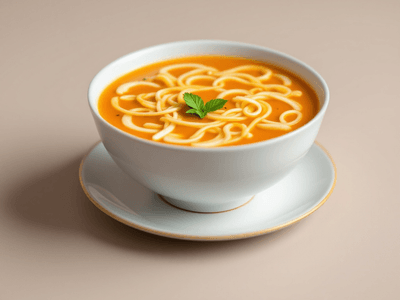
Asam Laksa
Global • Eggetarian
About Asam Laksa
Sour fish-based noodle soup from Penang
How to Make Asam Laksa (Traditional & Healthy Version)
Asam Laksa is a beloved Malaysian noodle soup that showcases the vibrant multicultural tapestry of Malaysia. Hailing from Penang, this dish is renowned for its tangy, spicy, and aromatic fish broth, enriched with tamarind (asam), fresh herbs, and rice noodles. Asam Laksa is often enjoyed as a lunch staple and is a reflection of Malaysia’s rich Peranakan and Malay culinary heritage. The combination of tangy tamarind, mackerel, torch ginger flower (bunga kantan), and local herbs like daun kesum (Vietnamese mint) creates a unique, mouth-watering flavor that is both refreshing and satisfying. What makes Asam Laksa truly special is its use of local ingredients such as belacan (shrimp paste), lemongrass, and fresh chilies, which provide depth and complexity to the broth without the need for excess oil or coconut milk. This healthy take on the traditional Penang Asam Laksa offers a lighter yet authentic option, perfect for those who are calorie-conscious but do not want to compromise on taste. Packed with fiber, lean protein, and a wealth of Malaysian flavors, this iconic dish is a must-try for anyone seeking a wholesome and delicious Malaysian meal.
Ingredients(for 1 large bowl (with toppings), typical Malaysian hawker portion)
- 250g Fresh mackerel (ikan kembung), cleaned (ikan kembung)
- 2 tbsp Tamarind paste (asam jawa)
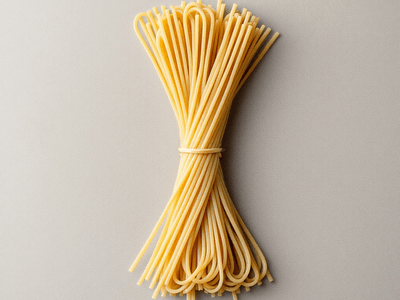
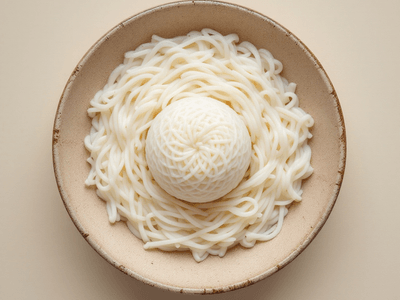
- 120g Rice vermicelli noodles (laksa noodles)
- 1/2 cup Daun kesum (Vietnamese mint) (roughly chopped)
- 1 stalk Torch ginger flower (bunga kantan, sliced)
- 2 stalks Lemongrass (bruised)
- 1 medium Red onion (thinly sliced for garnish)
- 1/2 cup Cucumber (julienned)
- 1/2 cup Pineapple (diced, optional but recommended) - optional
- 1 tsp Belacan (shrimp paste) (toasted)
- 2 Red chilies (sliced)
- A handful Mint leaves (for garnish)
- 1/2 tsp Salt
Instructions
- 1
Boil the mackerel in 1 liter of water for 8 minutes until cooked. Remove the fish, reserve the stock, and let the fish cool.
8 minutes
Use ikan kembung for authentic flavor and to keep the broth light.
- 2
Debone the cooked mackerel, flake the flesh, and set aside. Return the fish bones to the stock and simmer for another 5 minutes to extract maximum flavor.
5 minutes
Simmering the bones adds depth to the soup without extra calories.
- 3
Strain the stock to remove bones. Add tamarind paste, lemongrass, belacan, and daun kesum to the strained stock. Simmer for 5 minutes.
5 minutes
Constantly skim off any impurities for a clear broth.
- 4
Add the flaked fish flesh and torch ginger flower to the soup. Season with salt and sliced red chilies. Let it cook for 2 minutes.
2 minutes
Add fish at the end to keep it tender.
Why This Dish is Healthy
This healthy version of Asam Laksa is calorie-conscious—using lean fish, omitting coconut milk, and relying on natural herbs and spices for flavor. The dish is naturally low in saturated fat, high in protein, and abundant in fresh vegetables, making it ideal for those monitoring their weight or seeking a heart-healthy meal. The fiber content also helps with satiety and digestive health, supporting balanced nutrition.
Asam Laksa is a nutritious meal packed with lean protein from mackerel, which is high in omega-3 fatty acids essential for heart health. The abundance of fresh herbs and vegetables like daun kesum, cucumber, and pineapple provides fiber, vitamins A and C, and beneficial antioxidants. The use of tamarind delivers a natural source of potassium and magnesium. The broth is low in fat as it contains no santan (coconut milk), making it a light yet satiating option for lunch.
Pro Tips
- 💡Tip 1: Always use fresh mackerel for the cleanest, richest broth.
- 💡Tip 2: Prepare toppings in advance for quick assembly and maximum freshness.
- 💡Tip 3: Adjust tamarind and chili levels to suit your preferred balance of tang and spice.
Storage & Serving
Store the broth and toppings separately in airtight containers in the refrigerator for up to 2 days. Reheat the broth thoroughly before serving and assemble with fresh noodles and garnishes for best texture.
Best served: Lunch
Nutrition Facts
| Nutrient | Per 100g |
|---|---|
| Sodium | 480.0 mg |
| Potassium | 210.0 mg |
| Cholesterol | 18.0 mg |
| Vitamin A | 120.0 IU |
| Vitamin C | 7.0 mg |
| Magnesium | 16.0 mg |
| Zinc | 0.5 mg |
| Phosphorus | 60.0 mg |
| Vitamin D | 0.7 IU |
| Vitamin B1 (Thiamine) | 0.0 mg |
| Vitamin B2 (Riboflavin) | 0.0 mg |
| Vitamin B3 (Niacin) | 1.2 mg |
| Vitamin B6 | 0.1 mg |
| Vitamin B12 | 0.5 µg |
| Folate | 13.0 µg |
| Protein | 4.1 g |
| Carbohydrates | 13.5 g |
| Total Fat | 1.8 g |
| Energy | 82.0 kcal |
| Fiber | 1.3 g |
| Sugars | 2.1 g |
| Iron | 1.1 mg |
| Calcium | 32.0 mg |