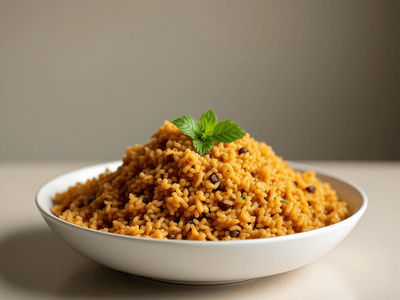
Ragi Upma
South Indian • All Foods
How to Make Ragi Upma (Traditional & Healthy Version)
Ragi Upma is a nourishing South Indian snack that celebrates the ancient grain ragi, also known as finger millet. Hailing from the kitchens of Tamil Nadu and Karnataka, this wholesome upma is a staple breakfast and evening tiffin in many homes. Ragi, revered for its robust nutritional profile and earthy flavor, is expertly paired with fresh vegetables and subtle South Indian spices, resulting in a dish that's both comforting and energizing. Unlike traditional upma made with semolina (sooji/rava), Ragi Upma uses ragi flour, making it gluten-free and rich in fiber and calcium. Its nutty taste blends beautifully with the tempering of mustard seeds, curry leaves, and green chilies. Ragi Upma is an excellent choice for those seeking a low GI, diabetic-friendly, and weight management Indian recipe. With its roots deeply embedded in local culinary heritage, Ragi Upma is not just healthy but also a flavorful way to start your day or refuel in the afternoon.
Ingredients(for 1 katori Ragi Upma (about 150g) + 1 cup chai)
- 1 cup Ragi flour (finger millet flour)
- 1 medium, finely chopped Onion
- 1 small, diced Carrot
- 1/4 cup Green peas (fresh or frozen)
- 1, finely chopped Green chili (adjust to taste)
- 6-8 Curry leaves (fresh)
- 1/2 tsp Mustard seeds
- 1 tsp Urad dal (split black gram)
- 1.5 tbsp Oil (preferably cold-pressed)
- to taste Salt
- 2 cups Water
- 1 tbsp, chopped Coriander leaves (for garnish) - optional
- 1 tsp Lemon juice (fresh) - optional
Instructions
- 1
Heat oil in a kadhai/tawa over medium flame. Add mustard seeds; let them splutter, then add urad dal. Sauté until the dal turns golden brown.
3 minutes
Use cold-pressed oil for enhanced flavor and better nutrition.
- 2
Add finely chopped onion, green chili, and curry leaves. Sauté until onions turn translucent.
3 minutes
Don't overcook onions; this preserves their crunch and nutrients.
- 3
Stir in diced carrots and green peas. Cook for 3-4 minutes until vegetables soften but remain vibrant.
4 minutes
Cover the pan to speed up cooking and retain moisture.
- 4
Add ragi flour to the pan and roast for 2-3 minutes, stirring continuously to avoid lumps and ensure a nutty aroma.
3 minutes
Roasting ragi flour brings out its earthy flavor and prevents raw taste.
Why This Dish is Healthy
Ragi Upma is a smart choice for anyone looking to maintain a balanced diet. With complex carbs, high fiber, and ample plant protein, it's filling yet low in calories. The absence of refined grains and the presence of healthy fats from cold-pressed oil make it great for weight loss and heart health. Its low GI ensures sustained energy without sugar spikes, and it's easily adaptable for vegan and kid-friendly diets.
Ragi Upma is a powerhouse of nutrition. Ragi (finger millet) is packed with calcium, iron, and dietary fiber, making it excellent for bone health and digestion. It's gluten-free, low in fat, and has a low glycemic index, beneficial for blood sugar control. The inclusion of vegetables adds vitamins A, C, and antioxidants, while urad dal contributes protein. This dish is ideal for vegetarians, diabetics, and those seeking wholesome Indian snacks.
Pro Tips
- 💡Tip 1: Use freshly ground ragi flour for authentic flavor and better nutrition.
- 💡Tip 2: Roasting ragi flour prevents lumps and enhances taste.
- 💡Tip 3: Add seasonal vegetables for variety and extra nutrition.
- 💡Tip 4: Lemon juice at the end boosts iron absorption.
- 💡Tip 5: Serve hot for the best texture and flavor.
Storage & Serving
Keeps for 6-8 hours at room temperature. Refrigerate for up to 2 days. Reheat with a splash of water to restore softness.
Best served: Breakfast or Lunch
Nutrition Facts
| Nutrient | Per 100g |
|---|---|
| Energy | 200.0 kcal |
| Protein | 4.2 g |
| Carbohydrates | 22.5 g |
| Total Fat | 2.1 g |
| Fiber | 3.6 g |
| Sugars | 0.6 g |
| Sodium | 210.0 mg |
| Potassium | 120.0 mg |
| Cholesterol | 0.0 mg |
| Vitamin A | 18.0 IU |
| Vitamin C | 2.5 mg |
| Calcium | 110.0 mg |
| Iron | 2.1 mg |
| Magnesium | 48.0 mg |
| Zinc | 0.8 mg |
| Phosphorus | 110.0 mg |
| Vitamin D | 0.0 IU |
| Vitamin B1 (Thiamine) | 0.1 mg |
| Vitamin B2 (Riboflavin) | 0.1 mg |
| Vitamin B3 (Niacin) | 0.7 mg |
| Vitamin B6 | 0.1 mg |
| Vitamin B12 | 0.0 µg |
| Folate | 18.0 µg |