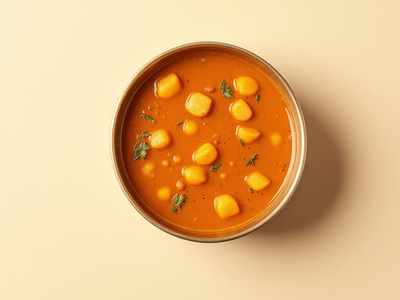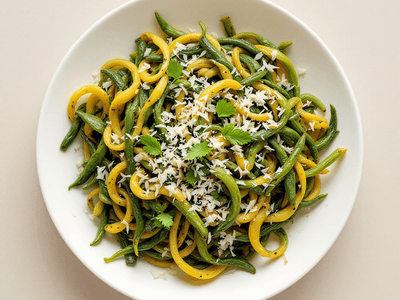
Vegan Bhindi with Coconut
Lunch • India
How to Make Vegan Bhindi with Coconut (Traditional & Healthy Version)
Vegan Bhindi with Coconut is a classic South Indian lunch dish, cherished for its vibrant flavors and wholesome nutrition. Known as 'Vendakkai Thoran' in Kerala or 'Bhindi Poriyal' in Tamil Nadu, this stir-fried okra recipe brings together tender bhindi (ladyfinger/okra), fresh grated coconut, and a blend of aromatic spices. The dish is naturally vegan, gluten-free, and perfect for those seeking a light yet satisfying meal. Traditionally cooked during festivals like Onam and Vishu, this bhindi recipe offers a delicious taste of South Indian culture and home-style comfort. The unique combination of soft, sautéed okra with the sweet crunch of nariyal (coconut) makes this dish a favorite across households, especially in Kerala, Karnataka, and Tamil Nadu. A gentle tempering of mustard seeds, curry leaves, and hing (asafoetida) infuses the bhindi with a signature South Indian aroma. Served with steaming hot rice or phulka, Vegan Bhindi with Coconut is a delightful accompaniment to sambar, rasam, or dal, offering a light yet flavorful addition to your lunch thali. Choosing Vegan Bhindi with Coconut for your weekday lunch is a health-conscious decision, as it uses minimal oil and is packed with dietary fiber, vitamins, and plant-based goodness. The recipe is simple, quick to prepare, and makes for a wonderful addition to your meal plan, especially for those tracking their calories or following a vegan or vegetarian diet.
Ingredients(for 1 bowl (approx. 150g cooked bhindi))
- 250 grams Bhindi (okra/ladyfinger) (fresh, tender)
- 1/3 cup Fresh grated coconut (nariyal)
- 1 tablespoon Coconut oil (preferred for authentic taste)
- 1/2 teaspoon Mustard seeds (rai)
- 10-12 leaves Curry leaves (kadi patta) (fresh)
- 1-2 Green chillies (slit lengthwise)
- 1/4 teaspoon Turmeric powder (haldi)
- a pinch Hing (asafoetida)
- to taste Salt
- 1 teaspoon Lemon juice (optional, for freshness) - optional
Instructions
- 1
Wash the bhindi thoroughly and pat dry with a clean kitchen towel. Slice off the ends and cut into thin roundels.
5 minutes
Ensure bhindi is completely dry to avoid stickiness while cooking.
- 2
Heat coconut oil in a kadhai or heavy-bottomed pan on medium flame. Add mustard seeds and let them splutter.
2 minutes
For extra flavor, use cold-pressed coconut oil.
- 3
Add hing and curry leaves. Sauté for a few seconds until fragrant, then add the slit green chillies.
1 minute
Do not let the curry leaves burn; keep the flame low.
- 4
Add the sliced bhindi and turmeric powder. Mix well to coat the bhindi with spices. Cook uncovered for 8-10 minutes, stirring occasionally.
10 minutes
Cook on medium heat without covering to prevent bhindi from becoming slimy.
Why This Dish is Healthy
Vegan Bhindi with Coconut is a healthy choice because it is stir-fried using minimal oil, rich in fiber, vitamins, and healthy fats. The absence of dairy and gluten makes it suitable for vegan, lactose intolerant, and gluten-sensitive individuals. Its low glycemic index helps in better blood sugar control, supporting weight loss and diabetic diets naturally.
Bhindi (okra) is an excellent source of dietary fiber, vitamins C and K, folate, and antioxidants, aiding digestion and supporting immunity. Coconut adds healthy fats and minerals like manganese and copper. This dish is low in calories, free from cholesterol, and provides a modest amount of plant-based protein. The use of coconut oil and minimal spices makes it gentle on the stomach, while fresh curry leaves contribute additional micronutrients.
Pro Tips
- 💡Tip 1: Always dry bhindi thoroughly to prevent sliminess.
- 💡Tip 2: Use freshly grated coconut for the best flavor; avoid desiccated coconut.
- 💡Tip 3: Do not overcrowd the pan to ensure even cooking and a crisp texture.
Storage & Serving
Store any leftovers in an airtight container in the refrigerator for up to 2 days. Reheat gently in a pan; avoid microwaving to maintain texture. Coconut may lose freshness after prolonged storage.
Best served: Lunch
Nutrition Facts
| Nutrient | Per 100g |
|---|---|
| Energy | 190.0 kcal |