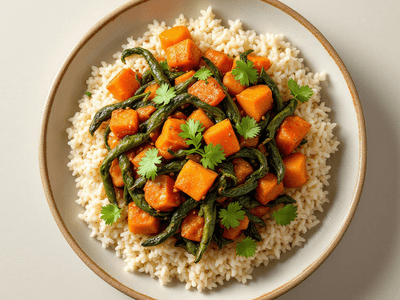
Vegan Bhindi Stir Fry
Lunch • India
How to Make Vegan Bhindi Stir Fry (Traditional & Healthy Version)
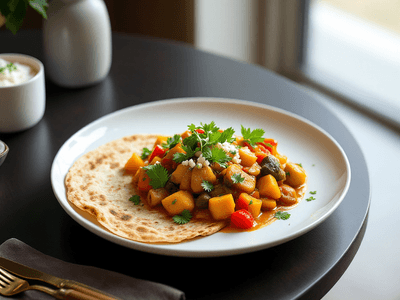
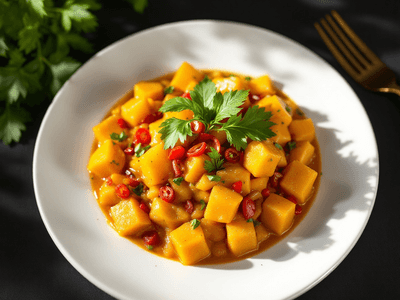
Vegan Bhindi Stir Fry, popularly known as 'Bhindi ki Sabzi' in Hindi, is a quintessential Indian lunch dish cherished for its earthy flavors and health benefits. Originating from the North Indian heartland, this stir-fried okra dish is a staple in households across Uttar Pradesh, Punjab, and Gujarat, where okra is called 'bhindi'. Bhindi Stir Fry is prepared by sautéing tender okra with a medley of aromatic Indian spices, making it a vibrant accompaniment to roti, chapati, or steamed rice. The dish’s crisp texture and mild spice appeal to both young and old alike, especially during festivals like Navratri when plant-based meals are favored. A vegan version of Bhindi Stir Fry is ideal for calorie-conscious eaters, as it uses minimal oil and avoids animal products, aligning perfectly with vegetarian and vegan diets. The recipe delivers authentic Indian flavors by incorporating regional spices such as cumin seeds (jeera), turmeric (haldi), and coriander powder (dhaniya), all of which enhance the taste and nutritional value. This stir fry is not only light and easy to digest, but also showcases India’s culinary diversity, with variations seen in Gujarat (where jaggery or amchur is added for a tangy-sweet note) and South India (where curry leaves and coconut are used). Whether enjoyed as a quick lunch or during festive fasting days, Vegan Bhindi Stir Fry stands out for its simplicity, flavor, and connection to Indian tradition. Its versatility and healthfulness make it a popular choice for modern Indian families seeking nutritious meals without sacrificing taste.
Ingredients(for 1 medium bowl per serving)
- 250 grams Bhindi (okra) (Also called ladyfinger)
- 1 medium Onion (finely sliced)
- 1 small Tomato (chopped)
- 1 tablespoon Mustard oil (Sarson ka tel)
- 1 teaspoon Cumin seeds (Jeera)
- 1/2 teaspoon Turmeric powder (Haldi)
- 1 teaspoon Coriander powder (Dhaniya powder)
- 1/2 teaspoon Red chili powder (Mirch powder, adjust to taste)
- to taste Salt (Sendha namak for fasting)
- 1 teaspoon Lemon juice (Nimbu ras, for freshness) - optional
- 1/4 teaspoon Garam masala (Optional for extra aroma) - optional
Instructions
- 1
Wash bhindi thoroughly and pat dry completely. Slice into 1-inch pieces. Drying prevents stickiness.
5 minutes
Use a clean kitchen towel to absorb moisture.
- 2
Heat mustard oil in a tawa or kadai over medium flame. Add cumin seeds and let them crackle.
2 minutes
Mustard oil adds authentic North Indian flavor; ensure it smokes lightly before adding spices.
- 3
Add sliced onions, sauté until translucent. Stir in chopped tomato and cook till soft.
4 minutes
Onions and tomatoes add sweetness and tang.
- 4
Add bhindi pieces. Stir gently; cook on medium heat for 5 minutes, stirring occasionally.
5 minutes
Do not cover; uncovered cooking reduces sliminess.
Why This Dish is Healthy
Vegan Bhindi Stir Fry uses minimal oil and is entirely plant-based, making it heart-friendly and suitable for vegans. It is high in fiber, which aids digestion and helps regulate blood sugar. The combination of fresh vegetables and aromatic Indian spices means you get maximum flavor without excess calories. It’s a great option for those seeking nutritious, low-calorie Indian lunch recipes.
Bhindi is rich in dietary fiber, vitamin C, vitamin K, folate, and antioxidants. It contains magnesium and potassium, supporting heart health and blood pressure. Onions and tomatoes add phytonutrients and vitamins. Using mustard oil provides omega-3 fatty acids and enhances absorption of fat-soluble vitamins. The recipe is low in saturated fat, carbohydrates, and contains moderate plant-based protein, making it ideal for weight management and diabetic diets.
Pro Tips
- 💡Tip 1: Always dry bhindi thoroughly after washing to prevent stickiness.
- 💡Tip 2: Use mustard oil for a traditional flavor, but groundnut oil can be substituted for a milder taste.
- 💡Tip 3: Do not cover the pan while cooking bhindi; uncovered cooking keeps it crisp.
Storage & Serving
Store leftovers in an airtight container in the refrigerator for up to 2 days. Reheat on a tawa or in a microwave before serving. Avoid freezing as bhindi can lose its texture.
Best served: Lunch
Nutrition Facts
| Nutrient | Per 100g |
|---|---|
| Energy | 150.0 kcal |