Plain Idly
Lunch • India
How to Make Plain Idly (Traditional & Healthy Version)
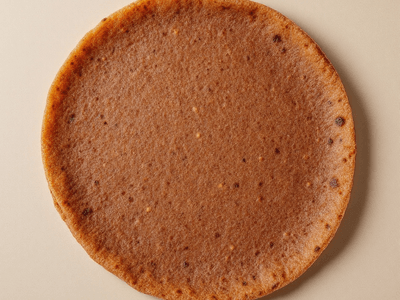
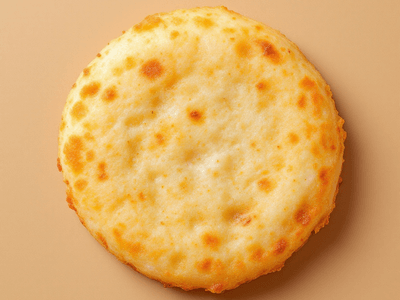
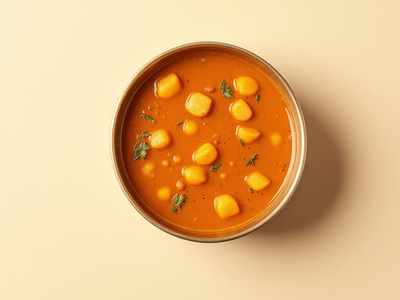
Plain Idly, or "Idli" as it is commonly known in South India, is a beloved steamed rice cake that has been a staple in Indian households for generations. Originating from the vibrant states of Tamil Nadu, Karnataka, Andhra Pradesh, and Kerala, Idly is renowned for its light, fluffy texture and subtle, mildly tangy flavor. Traditionally served for breakfast or lunch, Idly is celebrated for its simplicity, versatility, and ease of digestion, making it a favorite among people of all ages. The dish is often paired with coconut chutney or sambar, reflecting the rich culinary heritage of South India. Idly holds a special place in Indian culture, especially during festivals like Pongal and Ugadi, where it is served as part of elaborate spreads. Its preparation involves fermenting a batter of rice (chawal) and urad dal (split black gram), which not only enhances the taste but also boosts its nutritional value. The fermentation process gives Idly its characteristic softness and a slight tang, making it a comforting meal for anyone seeking a healthy, gluten-free option. As a calorie-conscious dish, Idly is ideal for those tracking their daily intake, offering a wholesome meal without excess fat or calories. Whether enjoyed as a quick snack, a hearty lunch, or a festive meal, Plain Idly stands out for its health benefits, cultural significance, and authentic Indian flavors. Its adaptability allows for numerous regional variations, from the addition of vegetables to different types of rice and lentils, ensuring that every family has their own cherished recipe. Discover the joy of making Plain Idly at home with this step-by-step healthy recipe, perfect for calorie tracking and balanced nutrition.
Ingredients(for 2 medium idlis per serving)
- 1 cup Rice (chawal) (Short or medium grain, South Indian varieties preferred)
- 1/4 cup Urad dal (split black gram) (Whole or split, local name: urad dal)
- 1/2 tsp Fenugreek seeds (methi dana) (Helps fermentation)
- As needed Water (For soaking and grinding)
- 1/2 tsp Salt (To taste)
- 1 tsp Oil (For greasing idli moulds; use coconut oil for authenticity) - optional
- 2 tbsp Poha (flattened rice) (Optional, improves softness) - optional
- 1 tbsp Curd (dahi) (Optional, enhances fermentation) - optional
Instructions
- 1
Wash rice, urad dal, and methi dana thoroughly. Soak rice and poha together, and urad dal with methi dana in separate bowls for 6-8 hours or overnight.
5 minutes
Use filtered water for soaking to ensure clean fermentation.
- 2
Drain soaked ingredients. Grind urad dal and methi dana to a smooth, fluffy paste. Grind rice and poha to a slightly coarse batter. Mix both batters together in a large bowl.
10 minutes
Add water gradually for a thick but pourable consistency.
- 3
Add salt and (optional) curd to the batter. Cover and ferment in a warm place for 8-10 hours or until the batter doubles and becomes airy.
5 minutes
Ferment overnight in a warm area; avoid refrigeration during fermentation.
- 4
Grease idli moulds with oil. Stir the fermented batter gently, pour into moulds, and set in the idli steamer (idli cooker).
2 minutes
Fill moulds only three-fourths to prevent overflow during steaming.
Why This Dish is Healthy
Idly is steamed, not fried, making it naturally low in calories and fat. The use of rice and lentils provides sustained energy while keeping the meal light and easy on the stomach. Its high fiber content aids digestion and helps regulate blood sugar levels. As it contains no added sugars or artificial ingredients, Idly is perfect for anyone looking for a wholesome, balanced meal. Its preparation is simple, allowing you to control the salt and oil used, further enhancing its health benefits.
Plain Idly is rich in complex carbohydrates and provides a moderate amount of protein, thanks to urad dal. It is low in fat and free from cholesterol, making it an excellent choice for heart health. The fermentation process increases the bioavailability of nutrients and boosts gut-friendly probiotics. Idly is also gluten-free, suitable for those with gluten sensitivities. It contains essential minerals like iron, calcium, and potassium, and is easy to digest, making it ideal for children, elderly, and those recovering from illness.
Pro Tips
- 💡Tip 1: Use freshly ground batter for best results; avoid using batter that's too old.
- 💡Tip 2: Allow proper fermentation for fluffy idlis, especially in cooler climates.
- 💡Tip 3: Add a spoonful of poha for extra softness if desired.
Storage & Serving
Store leftover idlis in an airtight container in the refrigerator for up to 2 days. Reheat by steaming for a few minutes before serving to restore softness. Avoid microwaving as it may dry out the idlis.
Best served: Breakfast or Lunch
Nutrition Facts
| Nutrient | Per 100g |
|---|---|
| Energy | 70.0 kcal |