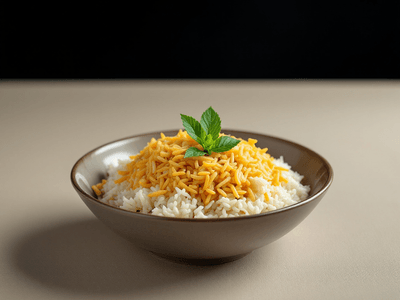
Nasi Padang
Lunch • India
How to Make Nasi Padang (Traditional & Healthy Version)
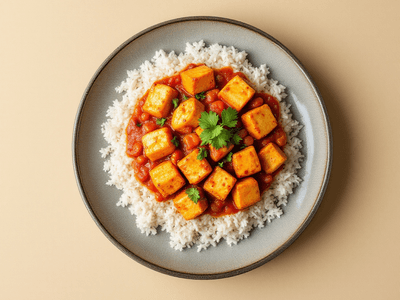
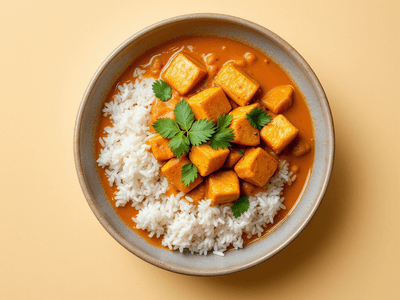
Nasi Padang, though originally an Indonesian dish, has found its place in India’s diverse culinary landscape, especially among foodies keen on exploring vegetarian lunch options. This Indian-style Nasi Padang adapts the essence of the original by using locally available ingredients like basmati rice, mixed sabzi (vegetables), and a medley of spices such as haldi (turmeric), jeera (cumin), and dhania (coriander), making it suitable for Indian taste buds and dietary preferences. The dish is a wholesome platter—think aromatic rice paired with flavorful vegetable curries and sambal-inspired chutney—perfect for lunch and festive gatherings like Navratri, where vegetarian meals are preferred. Nasi Padang delivers a delightful balance of textures and flavors, featuring steamed rice (chawal), mildly spiced vegetables, and a tangy chutney, all prepared on a tawa for a healthy touch. Its simplicity, combined with the nutrition-packed vegetables and Indian masalas, makes it a favorite among health-conscious families. The recipe is easy to follow, even for beginners, and can be adapted for different dietary needs, including vegan and diabetic-friendly versions. Whether served during a special festival or as a nourishing lunch, Indian Nasi Padang is a celebration of wholesome, regional flavors.
Ingredients(for 1 plate with rice and mixed vegetables)
- 1 cup Basmati rice (chawal)
- 1.5 cups Mixed vegetables (carrot (gajar), beans, peas (matar), cauliflower (phool gobhi))
- 1 medium Onion (pyaz, finely chopped)
- 1 large Tomato (tamatar, chopped)
- 1 tsp Ginger garlic paste (adrak-lahsun paste)
- 1/2 tsp Turmeric powder (haldi)
- 1 tsp Coriander powder (dhania powder)
- 1/2 tsp Cumin seeds (jeera)
- 1/2 tsp Red chili powder (lal mirch)
- to taste Salt (namak)
- 1 tbsp Oil (preferably mustard or olive oil)
- 2 tbsp Fresh coriander leaves (hara dhania, chopped, for garnish) - optional
Instructions
- 1
Wash and soak basmati rice for 10 minutes. Drain and cook rice in a saucepan with 2 cups water until fluffy. Set aside.
10 minutes
Soaking basmati rice helps achieve softer grains and reduces cooking time.
- 2
Heat oil in a tawa or kadhai. Add cumin seeds and let them splutter. Then add chopped onion and sauté till golden.
5 minutes
Use mustard oil for enhanced aroma and authentic taste.
- 3
Stir in ginger garlic paste and sauté for a minute. Add chopped tomatoes and cook till soft.
3 minutes
Add a pinch of salt to tomatoes to speed up softening.
- 4
Add turmeric, coriander powder, red chili powder, and salt. Mix well. Add mixed vegetables and toss to coat with spices.
3 minutes
Cut vegetables uniformly for even cooking and presentation.
Why This Dish is Healthy
Indian Nasi Padang is a healthy lunch choice due to its reliance on steamed rice, nutrient-rich vegetables, and heart-friendly oils. The meal is low in saturated fat and high in fiber, helping with weight management and blood sugar control. Spices like haldi and jeera boost metabolism, making it ideal for those tracking calories or following a vegetarian or weight-loss diet. Its versatility allows easy customization for various health needs.
This vegetarian Nasi Padang is rich in dietary fiber, vitamins A and C from seasonal vegetables, and complex carbohydrates from basmati rice. The addition of turmeric and coriander provides anti-inflammatory benefits, while the use of minimal oil keeps fat content low. Protein comes from peas and beans, making it suitable for a balanced Indian lunch. The dish is naturally gluten-free if rice is cooked separately, and contains no artificial additives. With a good mix of macros, it supports energy needs and digestive health.
Pro Tips
- 💡Tip 1: Use seasonal vegetables for maximum nutrition and flavor.
- 💡Tip 2: Avoid overcooking rice to maintain its distinct grains.
- 💡Tip 3: Experiment with different chutneys or raita to accompany the meal.
Storage & Serving
Store leftover rice and vegetable curry separately in airtight containers in the refrigerator. Consume within 2 days for best freshness. Reheat on tawa or microwave before serving.
Best served: Lunch
Nutrition Facts
| Nutrient | Per 100g |
|---|---|
| Energy | 700.0 kcal |