Mango Custard
Lunch • India
How to Make Mango Custard (Traditional & Healthy Version)
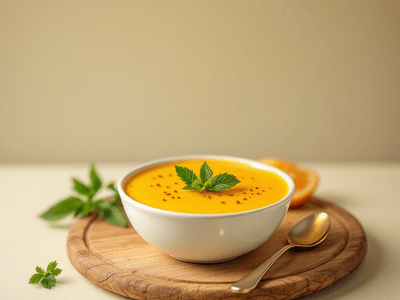
Mango Custard is a beloved Indian dessert, especially cherished during the summer months when ripe, juicy aam (mangoes) are in abundance. Rooted in Indian households, it is often served at lunch as a refreshing treat and is a staple at festive gatherings like Holi and family celebrations. The creamy custard base combined with the vibrant sweetness of mango creates a harmonious blend that appeals to both children and adults. Traditionally, Mango Custard is prepared using fresh mango pulp, milk (doodh), and a touch of cardamom (elaichi) for that authentic Indian flavor. What makes Mango Custard special is its versatility and cultural significance. It is commonly enjoyed across North India, particularly in Punjab and Uttar Pradesh, where mangoes are plentiful. The dish is easy to prepare, making it ideal for busy days or special occasions. Its mild sweetness and smooth texture make it a favorite during summer festivals like Baisakhi. Serving Mango Custard after lunch is a delightful way to conclude a meal, as it cools the palate and provides a burst of fruit flavor. With its rich heritage and health-conscious adaptations, Mango Custard stands out as a must-have Indian dessert.
Ingredients(for 1 medium bowl (approx. 200 ml))
- 1 cup (mashed pulp) Ripe mangoes (aam)
- 2 cups Low-fat milk (doodh)
- 2 tbsp Custard powder (vanilla or elaichi flavor)
- 2 tbsp Sugar (can use jaggery (gur) for healthier option)
- 1/4 tsp Cardamom powder (elaichi)
- 2 tbsp Chopped nuts (almonds (badam), pistachios (pista)) - optional
- 1/4 cup Fresh fruits (banana, apple, or grapes (optional)) - optional
- 4-5 Saffron strands (kesar) - optional
- 1/2 tsp Vanilla essence (optional) - optional
Instructions
- 1
Peel and mash the ripe mangoes to make a smooth pulp. Set aside.
5 minutes
Choose fully ripe, sweet aam for best flavor.
- 2
Mix custard powder with 1/4 cup cold milk to form a lump-free paste.
3 minutes
Ensure no lumps for a silky custard.
- 3
Boil the remaining milk in a heavy-bottomed kadhai on low flame. Add sugar and stir until dissolved.
5 minutes
Use low-fat milk to reduce calories.
- 4
Slowly add the custard paste to the boiling milk, stirring continuously. Cook till mixture thickens.
5 minutes
Keep stirring to prevent sticking.
Why This Dish is Healthy
This Mango Custard uses low-fat milk and limits added sugar, making it lighter than traditional versions. By incorporating fresh mango pulp and nuts, it boosts fiber and essential nutrients. The recipe avoids heavy cream or excessive sweeteners, ensuring a guilt-free dessert that fits into a balanced Indian diet. It’s ideal for those tracking calories and managing weight.
Mango Custard offers a balance of carbohydrates, vitamins, and minerals. Mangoes are rich in vitamin C, vitamin A, and antioxidants, supporting immunity and skin health. Low-fat milk provides calcium, protein, and vitamin D, which are vital for bone strength. Using nuts like badam and pista adds healthy fats and micronutrients. The moderate sugar content keeps calories in check, making this dessert suitable for health-conscious individuals.
Pro Tips
- 💡Tip 1: Use Alphonso or Kesar mangoes for richer flavor.
- 💡Tip 2: Always cool custard before mixing mango pulp to avoid curdling.
- 💡Tip 3: Garnish just before serving to maintain nut crunch.
Storage & Serving
Store Mango Custard in an airtight container in the refrigerator. Consume within 2-3 days for optimal freshness and flavor. Do not freeze as texture may change.
Best served: Lunch
Nutrition Facts
| Nutrient | Per 100g |
|---|---|
| Energy | 160.0 kcal |