Khoya
Lunch • India
How to Make Khoya (Traditional & Healthy Version)
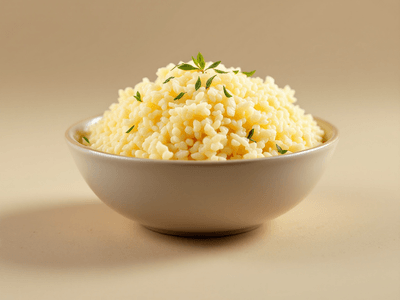
Khoya, also known as mawa, is a quintessential ingredient in North Indian cuisine, especially renowned for its role in festive sweets and rich curries. Originating from the heartlands of Uttar Pradesh and Rajasthan, khoya is made by simmering full-fat milk until all its moisture evaporates, leaving behind a dense, creamy, and mildly sweet mass. Its taste and texture add unparalleled richness to dishes like gulab jamun, peda, and barfi, making khoya a staple during celebrations such as Diwali and Holi. Khoya is prized for its natural sweetness and ability to enhance both flavor and nutrition in vegetarian recipes. Unlike processed alternatives, homemade khoya delivers authentic taste and freshness, while allowing health-conscious cooks to control the fat content by choosing the right milk. Its versatility extends beyond sweets; khoya enriches gravies, lends creaminess to lunch thalis, and pairs beautifully with nuts and cardamom. For those tracking calories, preparing khoya at home ensures minimal additives and maximum purity, making it a smart choice for wholesome Indian meals.
Ingredients(for 50g khoya per serving)
- 1 litre Full-fat milk (Doodh)
- 1 litre Low-fat milk (Optional for lighter khoya) - optional
- 1/4 tsp Cardamom powder (Elaichi) - optional
- 5-6 strands Saffron strands (Kesar) - optional
- 1 tbsp Chopped pistachios (Pista) - optional
- 1 tbsp Almonds (Badam, finely chopped) - optional
- 1-2 tsp Sugar (Optional, for sweetness) - optional
- 1/2 tsp Ghee (Optional, for greasing) - optional
- 1/2 tsp Rose water (Gulab jal) - optional
Instructions
- 1
Pour full-fat milk into a heavy-bottomed kadhai or pan. Place it on medium heat and bring to a gentle boil, stirring occasionally.
5 minutes
Use a thick kadhai to prevent sticking and scorching.
- 2
Once milk boils, lower the heat and continue simmering. Stir frequently to scrape the sides and bottom, ensuring milk solids don’t stick.
5 minutes
Continuous stirring is key for even reduction.
- 3
As the milk thickens, add cardamom powder and saffron strands for flavor. Keep stirring as the milk reduces and becomes dense.
5 minutes
Add spices for enhanced aroma and nutrition.
- 4
When the milk is almost solid, sprinkle chopped pistachios and almonds. Mix well to incorporate nuts evenly.
2 minutes
Nuts add protein and crunch.
Why This Dish is Healthy
This healthy khoya recipe uses minimal sugar, incorporates nutrient-dense nuts, and allows you to control fat content by opting for low-fat milk. Home preparation ensures no artificial additives, making it suitable for calorie tracking and mindful eating. The inclusion of cardamom and saffron adds antioxidants and enhances digestive health, while the protein from milk supports muscle repair and growth.
Khoya is rich in calcium, protein, and essential fatty acids due to its milk base. It contains moderate amounts of vitamins A, D, and B12, supporting bone health and immunity. Homemade khoya avoids preservatives and offers a natural source of energy and nutrients, especially when prepared with low-fat milk and dry fruits. Almonds and pistachios boost fiber, minerals, and antioxidants, making this recipe a balanced choice for vegetarians.
Pro Tips
- 💡Tip 1: Use a heavy-bottomed kadhai to prevent burning.
- 💡Tip 2: Stir frequently and scrape the sides for uniform texture.
- 💡Tip 3: Add nuts and spices towards the end for best flavor.
Storage & Serving
Store khoya in an airtight container in the refrigerator for up to 5 days. For longer storage, freeze in portioned packs and thaw as needed. Always use a clean spoon to avoid contamination.
Best served: Lunch
Nutrition Facts
| Nutrient | Per 100g |
|---|---|
| Energy | 110.0 kcal |