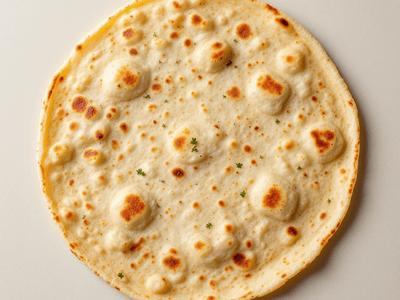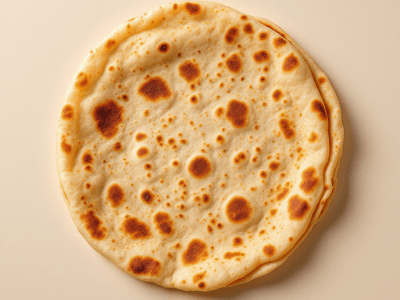
Chapati
Lunch • India
How to Make Chapati (Traditional & Healthy Version)
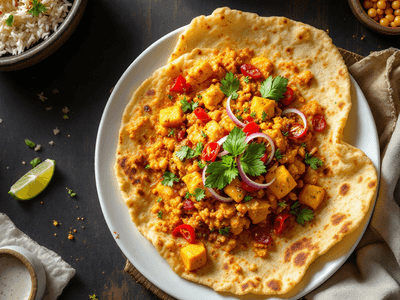
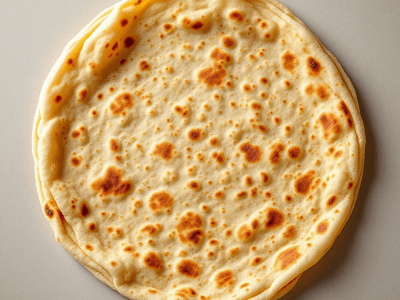
Chapati, also known as roti, is a staple flatbread enjoyed across North India and much of the subcontinent. Crafted from whole wheat flour known as 'atta', this soft and pliable bread is a daily essential in Indian households, often gracing lunch and dinner tables alike. Its origins can be traced back centuries, with recipes passed down through generations that emphasize simplicity, nutrition, and flavor. The mild, nutty taste of chapati makes it a perfect companion to a variety of vegetable sabzis, dals, and even festive curries. Chapatis are especially cherished for their versatility—they can be served plain, with a dab of ghee, or alongside seasonal pickles and fresh yogurt (dahi). During festivals like Holi and Diwali, chapatis are paired with rich, celebratory dishes, showcasing their significance in Indian culture. Making chapati is almost ritualistic in Indian kitchens, with each family adding its unique touch, whether it’s a sprinkle of ajwain seeds or a brush of ghee. This health-conscious, authentic recipe ensures soft, fluffy chapatis that are light on calories and big on traditional flavor, making them an ideal choice for anyone seeking wholesome Indian lunch options.
Ingredients(for 2 medium chapatis per person)
- 1 cup Whole wheat flour (atta)
- 1/3 cup (approx) Water (as needed for dough)
- 1/4 tsp Salt (namak) - optional
- 1 tsp Oil (optional, for softer chapatis) - optional
- 1 tsp Ghee (for brushing, optional) - optional
- 1/4 tsp Ajwain seeds (optional, for flavor) - optional
- for dusting Extra flour (atta)
Instructions
- 1
In a large bowl, add the whole wheat flour (atta) and salt. Mix well.
2 minutes
Sifting the flour beforehand ensures a smoother dough.
- 2
Gradually add water and knead to form a soft, pliable dough. Add a tsp of oil for extra softness if desired. Knead for 8-10 minutes until smooth.
10 minutes
The dough should not be sticky; cover and rest for at least 10 minutes.
- 3
Divide the dough into equal-sized balls (about golf ball size).
2 minutes
Keep the dough balls covered with a damp cloth to prevent drying.
- 4
Dust a dough ball lightly in dry atta. Roll it out into a thin, even circle using a rolling pin (belan), about 6 inches in diameter.
3 minutes
Rotate while rolling for even thickness.
Why This Dish is Healthy
Chapati is naturally low in calories and fat, especially when made without ghee or oil. Its high fiber content supports digestive health and helps you stay full for longer, making it a popular option for weight loss diets. Using whole wheat instead of refined flour boosts nutritional value and helps regulate blood sugar. This recipe is also vegan-friendly (when made without ghee), making it inclusive for a range of dietary preferences.
Chapatis are a rich source of complex carbohydrates, dietary fiber, and plant-based protein, thanks to the use of whole wheat atta. They provide sustained energy release, making them ideal for lunch or any main meal. Atta is packed with essential micronutrients such as magnesium, iron, and B vitamins, which support metabolism and overall health. Low in fat and free from added sugars, chapatis are an excellent choice for weight management, digestive health, and maintaining stable blood sugar levels.
Pro Tips
- 💡Tip 1: Resting the dough for 10 minutes makes chapatis softer.
- 💡Tip 2: Use warm water for kneading to achieve a more pliable dough.
- 💡Tip 3: Keep chapatis covered after cooking to retain moisture and softness.
Storage & Serving
Store chapatis in a covered container lined with a kitchen towel to keep them soft for several hours. For longer storage, wrap in foil and refrigerate up to 2 days; reheat on the tawa before serving.
Best served: Breakfast or Lunch
Nutrition Facts
| Nutrient | Per 100g |
|---|---|
| Energy | 70.0 kcal |