Black Gram
Lunch • India
How to Make South Indian Black Gram Curry (Traditional & Healthy Version)
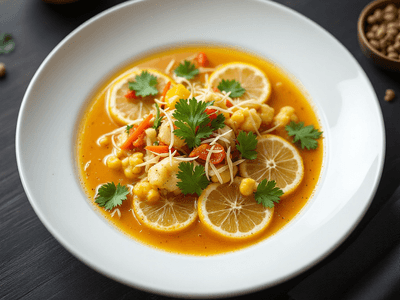
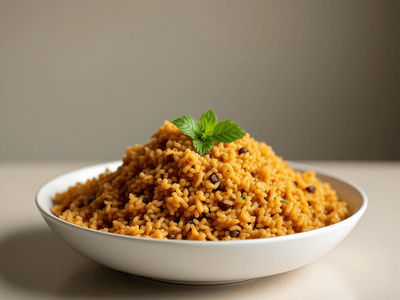
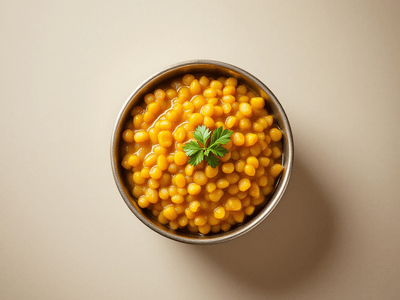
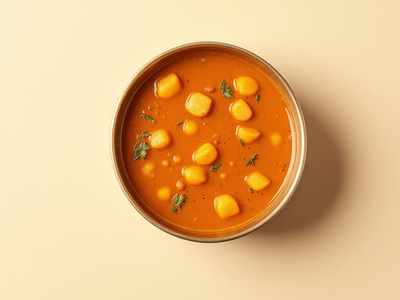
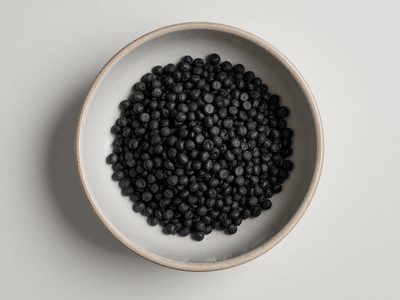
Black Gram Curry, known locally as 'Urad Dal Curry', is a staple in South Indian households, especially in the states of Tamil Nadu, Andhra Pradesh, and Karnataka. This wholesome dish features split black gram (urad dal) simmered in aromatic spices, curry leaves, and a gentle coconut tempering. Black gram has a rich, earthy flavor and creamy texture, making it a comforting choice for lunch when paired with steamed rice or 'roti'. In Indian cuisine, urad dal holds a special place due to its nutritional density and versatility. It's a popular lunch dish during festivals such as Pongal and Ugadi, symbolizing prosperity and good health. The curry is mildly spiced, allowing the natural taste of black gram to shine. Lighter on the stomach and packed with plant-based protein, this version uses minimal oil, making it suitable for health-conscious eaters. This recipe is easy to prepare and can be adapted for various dietary needs. Its deep, savory taste and creamy consistency make it a family favorite, while the use of traditional ingredients like curry leaves, mustard seeds, and coconut provides a true taste of South Indian home cooking.
Ingredients(for 1 medium bowl (approx. 200g))
- 1/2 cup Split black gram (urad dal) (whole or split, sabut urad dal)
- 1 small Onion (finely chopped)
- 1 medium Tomato (finely chopped)
- 8-10 Curry leaves (kadi patta)
- 1/2 tsp Mustard seeds (rai)
- 1/2 tsp Cumin seeds (jeera)
- 1/4 tsp Turmeric powder (haldi)
- 1/2 tsp Red chili powder (adjust to taste)
- 1/2 inch Ginger (finely chopped or grated)
- 2 tbsp Coconut (fresh or desiccated) (grated, nariyal) - optional
- to taste Salt
- 1 tsp Cold-pressed coconut oil (or any healthy oil)
- 2 cups Water (as needed)
- 1 tbsp Coriander leaves (chopped, for garnish) - optional
Instructions
- 1
Wash the split black gram thoroughly and soak in water for 15 minutes. Drain before cooking.
15 minutes
Soaking urad dal helps in faster cooking and better digestion.
- 2
In a pressure cooker or heavy-bottomed pan, add soaked dal with 2 cups water, turmeric, and salt. Cook until the dal is soft but not mushy (2 whistles or 15 minutes simmering).
15 minutes
Do not overcook; dal should retain some texture.
- 3
Heat coconut oil in a kadhai or pan. Add mustard seeds and let them splutter. Add cumin seeds, curry leaves, and ginger. Sauté for 1 minute.
3 minutes
Add curry leaves for authentic South Indian aroma.
- 4
Add chopped onions and sauté till translucent. Add tomatoes and cook until soft.
5 minutes
Sauté on medium flame to avoid burning the masala.
Why This Dish is Healthy
This Black Gram Curry is a perfect healthy lunch option as it is high in protein, low in saturated fat, and rich in dietary fiber. The use of coconut oil and fresh coconut adds healthy fats, while the addition of spices like turmeric and ginger provide anti-inflammatory benefits. The dish avoids heavy cream and excess oil, making it suitable for weight management, diabetes, and vegetarian diets. It's a wholesome, balanced meal ideal for a health-conscious lifestyle.
Black gram (urad dal) is an excellent source of plant-based protein, dietary fiber, and essential minerals like iron, potassium, and magnesium. It also contains B vitamins and antioxidants that support overall health. The recipe is naturally low in fat, especially when prepared with minimal oil, and is free of cholesterol. Including black gram in your diet supports heart health, improves digestion, and helps maintain stable energy levels throughout the day.
Pro Tips
- 💡Tip 1: Use whole black gram for a chewier texture and higher fiber content.
- 💡Tip 2: Temper the spices in coconut oil for authentic South Indian flavor.
- 💡Tip 3: Add a pinch of asafoetida (hing) for extra digestive benefits.
Storage & Serving
Store leftover Black Gram Curry in an airtight container in the refrigerator for up to 2 days. Reheat on the stove, adding a splash of water if needed. Avoid freezing as the texture may change.
Best served: Lunch
Nutrition Facts
| Nutrient | Per 100g |
|---|---|
| Energy | 180.0 kcal |