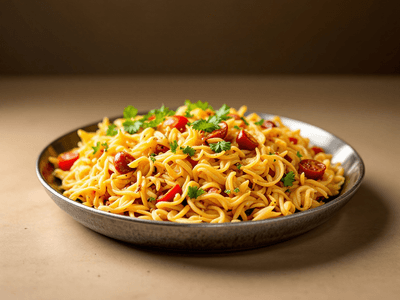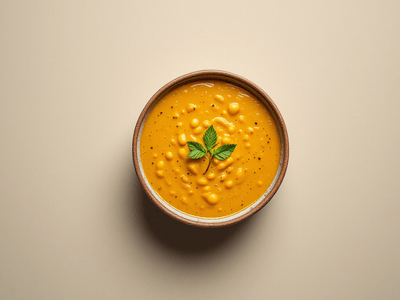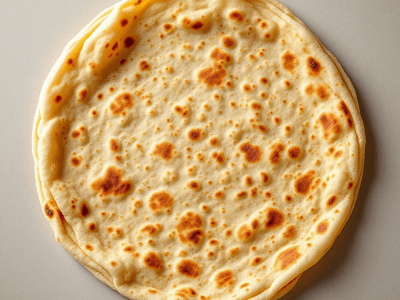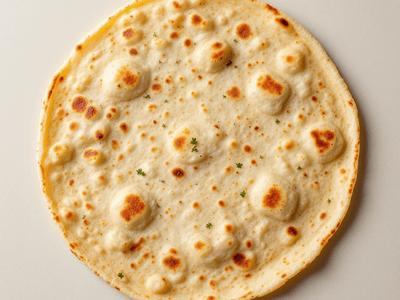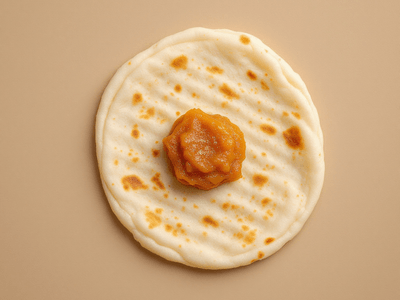
Poori with Halwa
Desserts • India
How to Make Poori with Halwa (Traditional & Healthy Version)
Poori with Halwa is a beloved North Indian classic, often enjoyed as a festive breakfast or dessert, especially during auspicious occasions such as Navratri, Diwali, and special family gatherings. This dish pairs soft, puffed 'poori'—made from whole wheat atta—with luscious suji (semolina) halwa, blending the light crunch of the bread with the sweet, aromatic halwa. The combination is a staple during festival mornings across Uttar Pradesh, Delhi, Punjab, and Haryana, where it symbolizes prosperity and joy. The halwa is flavored with cardamom and garnished with nuts, giving it a delightful aroma and texture that appeals to all ages. What makes Poori with Halwa so special is its versatility and comforting taste. The poori's subtle savoriness perfectly balances the rich sweetness of the halwa, creating a harmonious meal that’s both satisfying and nostalgic. In many Indian homes, this dish marks the start of festivities and is often served as prasad (sacred offering) in temples. By using wholesome ingredients and traditional methods, you can enjoy this iconic North Indian recipe in a healthier, guilt-free way, making it a great choice for health-conscious foodies who don’t want to miss out on authentic flavors.
Ingredients(for 2 pooris with 1/2 cup halwa)
- 1 cup Whole wheat atta (flour) (gehun ka atta)
- 1/2 cup Suji (semolina) (fine quality)
- 1/3 cup Jaggery powder (gud, substitute for sugar)
- 1 cup Low-fat milk (can use water or plant milk)
- 2 tbsp Ghee (use less for health)
- 1/2 tsp Cardamom powder (elaichi)
- 1 tbsp Almonds (chopped, badam) - optional
- 1 tbsp Raisins (kishmish) - optional
- 1/4 tsp Salt (for poori dough)
- as needed Water (for kneading and halwa)
- for shallow frying Oil (can use cold-pressed)
Instructions
- 1
Prepare the poori dough by mixing atta, a pinch of salt, and a teaspoon of oil. Gradually add water and knead into a smooth, stiff dough. Cover and rest for 10 minutes.
10 minutes
Use minimal water to avoid sticky dough; this helps pooris puff up.
- 2
Divide the dough into small lemon-sized balls. Roll each ball into a 4-inch disc using a rolling pin (belan) on a lightly greased surface.
5 minutes
Apply a drop of oil to the rolling board to prevent sticking.
- 3
Heat oil in a kadhai or deep pan. Once hot, gently slide in a rolled poori and fry on medium-high heat, pressing lightly to help it puff. Flip and fry both sides until golden. Drain on paper towels.
8 minutes
Ensure oil is hot enough for puffed pooris; test with a small dough piece first.
- 4
For halwa, heat 1 tbsp ghee in a pan. Roast suji on low flame till it turns aromatic and light golden, about 4-5 minutes.
5 minutes
Stir continuously to avoid burning suji.
Why This Dish is Healthy
By using whole wheat atta instead of refined flour and jaggery instead of refined sugar, this recipe delivers more nutrients and a lower glycemic index. The use of minimal ghee and shallow frying reduces excess calories and saturated fat, making it suitable for calorie-conscious eaters. Including nuts and low-fat milk adds protein and essential vitamins, making this version of Poori with Halwa a smarter, guilt-free choice for festive indulgence.
This Poori with Halwa recipe uses whole wheat atta, which provides dietary fiber, B vitamins, and essential minerals like iron and magnesium. Replacing sugar with jaggery adds antioxidants and trace minerals, making halwa more nutritious. Using low-fat milk and controlled amounts of ghee reduces saturated fat while still delivering authentic taste. Almonds and raisins offer healthy fats, protein, and micronutrients. Overall, this dish offers a balanced mix of carbohydrates, moderate protein, and healthy fats, supporting energy for active mornings.
Pro Tips
- 💡Tip 1: Use fine suji for smoother halwa and even roasting.
- 💡Tip 2: Knead stiff dough for pooris and roll evenly for best puff.
- 💡Tip 3: For extra aroma, add a pinch of saffron to halwa while cooking.
Storage & Serving
Pooris are best enjoyed fresh but can be stored in an airtight container for up to 8 hours. Halwa can be refrigerated in an airtight box for 2 days; reheat with a splash of milk or water before serving.
Best served: Breakfast or Lunch
Nutrition Facts
| Nutrient | Per 100g |
|---|---|
| Energy | 400.0 kcal |