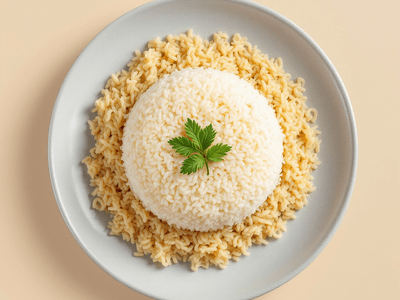
Nasi Dagang
Global • non_veg
About Nasi Dagang
Steamed rice with fish curry from East Coast
How to Make Nasi Dagang (Traditional & Healthy Version)
Nasi Dagang is a celebrated Malaysian breakfast dish, especially beloved in the east coast states of Kelantan and Terengganu. This aromatic meal combines fragrant rice steamed with santan (coconut milk) and pandan leaves, paired with a savory ikan tongkol (tuna) curry. Its roots run deep in local Malay culture, reflecting Malaysia’s rich culinary tapestry where influences from Malay, Indian, and Thai cooking traditions blend seamlessly. The rice has a subtle, creamy flavor elevated by the addition of fenugreek seeds and lemongrass, while the fish curry boasts a bold and slightly spicy profile. This healthy Nasi Dagang recipe uses wholesome, local ingredients and mindful cooking techniques, making it a great choice for those who want to enjoy authentic Malaysian flavors without excess calories. Perfect for a balanced breakfast or brunch, this dish is packed with nutrients and provides lasting energy. Its unique flavor profile, cultural significance, and health benefits make Nasi Dagang a must-try for anyone seeking to experience the best of Malaysian cuisine.
Ingredients(for 1 plate with rice and fish curry)
- 1 cup Beras Nasi Dagang (mixed Thai red and glutinous rice) (traditional nasi dagang rice blend)
- 1/2 cup Santan (light coconut milk) (use reduced fat for lower calories)
- 1 Pandan leaf (tie into a knot)
- 1/2 tsp Fenugreek seeds (halba)
- 200g Ikan tongkol (tuna steak) (or mackerel)
- 1 stalk Lemongrass (bruised)
- 3 Shallots (thinly sliced)
- 2 cloves Garlic (chopped)
- 1 inch Ginger (sliced)
- 1 tbsp Chili paste (homemade or store-bought)
- 2 tbsp Tamarind juice (asam jawa)
- to taste Salt
- 1/2 tsp Sugar (optional, for balance) - optional
Instructions
- 1
Rinse beras Nasi Dagang thoroughly, then soak in water for at least 1 hour. Drain well.
5 minutes
Soaking helps achieve the right rice texture.
- 2
Place the soaked rice in a steamer. Add pandan leaf and fenugreek seeds. Steam for 10 minutes.
10 minutes
Pandan imparts a fragrant aroma.
- 3
In a small saucepan, gently warm santan with a pinch of salt. Pour the warm santan evenly over the steamed rice. Mix gently and steam for another 10 minutes.
10 minutes
Use light coconut milk for a healthier version.
- 4
To prepare the fish curry, heat a non-stick pan. Sauté shallots, garlic, ginger, and lemongrass until aromatic.
3 minutes
Dry sauté to reduce oil usage.
Why This Dish is Healthy
Choosing light coconut milk and steaming the rice keeps the saturated fat content low while maintaining authentic flavor. Lean fish like tuna provides ample protein and heart-healthy omega-3s. Using minimal oil and natural aromatics ensures this Nasi Dagang is nutrient-dense and suitable for a health-conscious diet. It’s filling, energizing, and perfect for those monitoring their calorie intake.
This Nasi Dagang recipe provides a balanced meal with lean protein from ikan tongkol, complex carbohydrates from traditional rice, and healthy fats from light santan. It’s rich in omega-3 fatty acids, B vitamins, and minerals like magnesium and potassium. The use of pandan, lemongrass, and ginger adds antioxidants and aids digestion. Each serving contains approximately 450 calories, 18g protein, 70g carbohydrates, and just 10g fat.
Pro Tips
- 💡Use genuine beras Nasi Dagang or mix Thai red rice with glutinous rice for authenticity.
- 💡Do not overcook the fish to keep it moist and tender.
- 💡Add a squeeze of lime before serving for extra freshness.
Storage & Serving
Store leftover rice and curry separately in airtight containers in the refrigerator. Consume within 2 days. Reheat rice by steaming for best texture.
Best served: Breakfast or Lunch
Nutrition Facts
| Nutrient | Per 100g |
|---|---|
| Energy | 450.0 kcal |
| Protein | 18.0 g |
| Carbohydrates | 70.0 g |
| Total Fat | 10.0 g |
| Fiber | 2.0 g |
| Sugars | 0.7 g |
| Sodium | 280.0 mg |
| Potassium | 180.0 mg |
| Cholesterol | 22.0 mg |
| Vitamin A | 45.0 IU |
| Vitamin C | 2.0 mg |
| Calcium | 18.0 mg |
| Iron | 1.0 mg |
| Magnesium | 16.0 mg |
| Zinc | 0.7 mg |
| Phosphorus | 65.0 mg |
| Vitamin D | 0.3 IU |
| Vitamin B1 (Thiamine) | 0.1 mg |
| Vitamin B2 (Riboflavin) | 0.1 mg |
| Vitamin B3 (Niacin) | 1.1 mg |
| Vitamin B6 | 0.1 mg |
| Vitamin B12 | 0.3 µg |
| Folate | 12.0 µg |