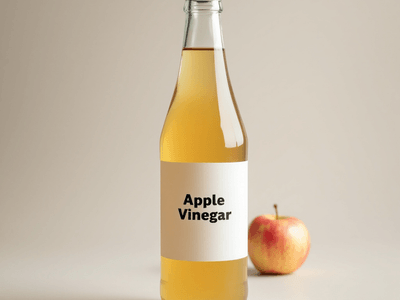
Apple Vinegar
Global • Non-Vegetarian
How to Make Apple Vinegar (Traditional & Healthy Version)
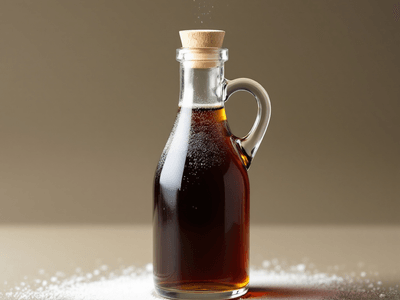
Apple vinegar, known globally for its tangy flavor and numerous health benefits, is gaining popularity in Indian kitchens as both a snack ingredient and a digestive aid. Traditionally made by fermenting fresh apples, apple vinegar has roots in ancient preservation techniques and is cherished for its versatility in recipes. In India, apple vinegar is often used to enhance chutneys, salad dressings, and light snacks, adding a refreshing sourness that pairs well with regional spices. The process of making apple vinegar at home is simple, and it allows you to control the quality and purity of ingredients, making it a healthier alternative to commercial varieties. Its crisp, tart taste with subtle fruity undertones makes it an excellent addition to vegetarian diets, especially for those looking to explore global flavors in Indian snacks. Incorporating apple vinegar in your daily meals is a smart choice for those focused on wellness, weight management, and digestive health. With the rise of calorie tracking and conscious eating in India, homemade apple vinegar offers a natural, preservative-free option that fits perfectly into modern vegetarian lifestyles.
Ingredients(for 2 tablespoons apple vinegar as a snack dip or salad enhancer)
- 4 medium Fresh apples (preferably organic)
- 2 cups Filtered water (room temperature)
- 2 tablespoons Raw cane sugar (or honey for natural sweetness)
- 1 small Cinnamon stick (dalchini) - optional
- 2 Cloves (laung) - optional
- 1 Star anise (chakri phool) - optional
- 1 tablespoon Apple cider vinegar (starter) (for fermentation kickstart) - optional
- a pinch Salt (Sendha namak) - optional
Instructions
- 1
Wash and core the apples. Chop them into small pieces, leaving the skin on for extra nutrients.
5 minutes
Use organic apples to minimize pesticide residue.
- 2
Place chopped apples in a clean glass jar. Add filtered water until the apples are fully submerged.
3 minutes
Ensure the jar is sterilized to prevent unwanted bacteria.
- 3
Add raw cane sugar (or honey) to the jar. Stir well to dissolve.
2 minutes
Sugar aids fermentation and is mostly consumed by bacteria, not retained in final vinegar.
- 4
Drop in the cinnamon stick, cloves, and star anise for subtle spice notes.
2 minutes
Spices add flavor and natural antimicrobial properties.
Why This Dish is Healthy
This homemade apple vinegar is a healthy choice because it’s free from preservatives, artificial additives, and excess sugars commonly found in commercial brands. The natural fermentation preserves nutrients and creates beneficial bacteria for gut health. It’s an ideal snack addition for weight loss, diabetes management, and supporting a vegetarian diet due to its low calorie and high antioxidant profile.
Apple vinegar is a low-calorie, fat-free condiment packed with antioxidants, vitamins like C and E, and trace minerals such as potassium and magnesium. Its natural fermentation process promotes gut health with probiotics, aids in digestion, and can help regulate blood sugar levels. The inclusion of spices like cinnamon and cloves adds further anti-inflammatory and metabolic benefits. While calorie content is minimal, apple vinegar is a functional food that supports overall wellness.
Pro Tips
- 💡Tip 1: Use organic apples for best fermentation results and cleaner flavor.
- 💡Tip 2: Stir daily to prevent mold and ensure even fermentation.
- 💡Tip 3: Adding a vinegar starter helps fermentation in cooler climates.
Storage & Serving
Keeps for 6-8 hours at room temperature. Refrigerate for up to 2 days. For longer shelf life, store sealed in the fridge for up to 2 months.
Best served: Breakfast or Lunch
Nutrition Facts
| Nutrient | Per 100g |
|---|---|
| Energy | 3.0 kcal |
| Carbohydrates | 0.9 g |
| Fiber | 0.1 g |
| Sugars | 0.4 g |
| Iron | 0.2 mg |
| Calcium | 7.0 mg |
| Sodium | 5.0 mg |
| Potassium | 73.0 mg |
| Magnesium | 5.0 mg |
| Zinc | 0.0 mg |
| Phosphorus | 8.0 mg |
| Vitamin B1 (Thiamine) | 0.0 mg |
| Vitamin B2 (Riboflavin) | 0.0 mg |
| Vitamin B3 (Niacin) | 0.1 mg |
| Vitamin B6 | 0.0 mg |
| Folate | 1.0 µg |
| Protein | 0.0 g |
| Total Fat | 0.0 g |
| Cholesterol | 0.0 mg |
| Vitamin A | 0.0 IU |
| Vitamin C | 0.0 mg |
| Vitamin D | 0.0 IU |
| Vitamin B12 | 0.0 µg |