Chai with Ginger
Global • Jain
How to Make Chai with Ginger (Traditional & Healthy Version)
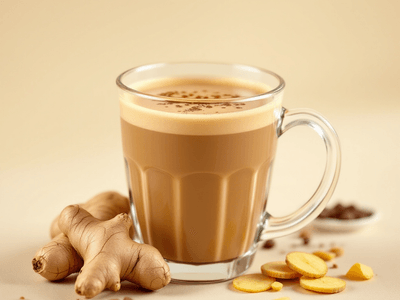
Chai with Ginger, or 'Adrak wali Chai', is a beloved Indian beverage that weaves together the warmth of tea leaves with the invigorating zing of fresh ginger. Originating from the kitchens of North India, this comforting drink is a staple across the country, especially during monsoons and winter mornings. Chai is more than just a beverage in India; it is a daily ritual, a symbol of hospitality, and an integral part of social gatherings. The subtle heat of ginger not only enhances the flavor but also brings numerous health benefits, making it a preferred choice during cold and flu season. Whether sipped during an early morning sunrise, shared with friends during evening 'adda', or served to guests during festivals like Diwali and Holi, Chai with Ginger is deeply woven into the fabric of Indian culture. The robust flavor of black tea ('chai patti') is beautifully balanced by the earthy spiciness of ginger ('adrak'), with optional hints of cardamom or tulsi to add complexity. Traditionally simmered on a gas stove, this chai is often paired with light snacks like biscuits, rusks, or namkeen. Its popularity spans urban apartments to rural homes, tea stalls ('chai tapris') to high-end cafes, making it a beverage for all ages and backgrounds. This healthy, vegetarian recipe is designed for calorie-conscious individuals, ensuring you enjoy the authentic taste of Indian chai without excess sugar or fat. Savor a cup of Adrak wali Chai and experience a timeless Indian tradition.
Ingredients(for 1 large cup (approx. 120-150 ml) per person)
- 1.5 cups Water (paani)
- 0.5 cup Low-fat milk (doodh)
- 2 teaspoons Black tea leaves (chai patti)
- 1 inch Fresh ginger (adrak, peeled and grated)
- 2 Cardamom pods (elaichi, lightly crushed) - optional
- 2 Cloves (laung) - optional
- 2-3 Tulsi leaves (Indian basil, optional) - optional
- 1-2 teaspoons Natural sweetener (stevia, honey, or jaggery (gur)) - optional
- 1-2 cracks Black pepper (kali mirch, optional for extra warmth) - optional
Instructions
- 1
In a saucepan (patila), add water and bring it to a boil on medium heat.
3 minutes
Use filtered water for a cleaner taste.
- 2
Add grated ginger and optional spices (cardamom, cloves, tulsi leaves, black pepper). Let it simmer for 3-4 minutes to infuse the flavors.
4 minutes
Crush ginger slightly to release more juice and aroma.
- 3
Stir in the black tea leaves (chai patti). Allow it to boil for 2-3 minutes until the water turns a rich amber color.
3 minutes
Do not over-boil, as it can make the tea bitter.
- 4
Add low-fat milk and let the chai simmer gently for 5-7 minutes, allowing the flavors to meld. Adjust milk quantity to your preference.
7 minutes
Simmer on low heat for a creamier texture.
Why This Dish is Healthy
This Adrak wali Chai is prepared with low-fat milk and natural sweeteners, making it a heart-friendly and weight-conscious choice. The inclusion of fresh ginger and traditional Indian spices boosts metabolism and immunity, while limiting sugar reduces empty calories. Choosing natural ingredients over processed ones ensures a wholesome tea ritual for daily enjoyment.
Chai with Ginger is rich in antioxidants from black tea, which supports heart health and boosts immunity. Ginger aids digestion, reduces inflammation, and helps fight cold symptoms. Using low-fat milk decreases saturated fat, while natural sweeteners like honey or jaggery provide minerals such as iron and potassium. Optional spices like cardamom and black pepper further enhance metabolic benefits. This beverage is low in calories when prepared with moderation and minimal sugar.
Pro Tips
- 💡Tip 1: Always use fresh ginger for the most vibrant flavor.
- 💡Tip 2: Simmer the chai on low heat for a creamier texture and fuller taste.
- 💡Tip 3: Adjust the strength of tea and spices based on your personal preference.
Storage & Serving
Chai is best consumed fresh. If needed, refrigerate for up to 24 hours and reheat gently before serving. Avoid boiling after adding milk to prevent curdling.
Best served: Breakfast or Lunch
Nutrition Facts
| Nutrient | Per 100g |
|---|---|
| Energy | 90.0 kcal |
| Protein | 1.6 g |
| Carbohydrates | 6.8 g |
| Total Fat | 1.2 g |
| Fiber | 0.1 g |
| Sugars | 6.3 g |
| Iron | 0.1 mg |
| Calcium | 62.0 mg |
| Sodium | 40.0 mg |
| Potassium | 85.0 mg |
| Cholesterol | 5.0 mg |
| Vitamin A | 55.0 IU |
| Vitamin C | 0.3 mg |
| Magnesium | 10.0 mg |
| Zinc | 0.3 mg |
| Phosphorus | 48.0 mg |
| Vitamin D | 0.1 IU |
| Vitamin B1 (Thiamine) | 0.0 mg |
| Vitamin B2 (Riboflavin) | 0.1 mg |
| Vitamin B3 (Niacin) | 0.2 mg |
| Vitamin B6 | 0.0 mg |
| Vitamin B12 | 0.2 µg |
| Folate | 5.0 µg |